The thought of installing a ceiling fan often intimidates homeowners, but the Artika Austin Fandelier changes the game with its integrated receiver design that eliminates the need for a separate remote control box. Unlike traditional ceiling fans that require complex wiring for multiple components, this streamlined approach makes how to install Artika ceiling fan a project most DIYers can complete in under two hours. With proper preparation and attention to safety, you’ll transform your room’s comfort and style without calling an electrician.
This comprehensive guide walks you through every critical step of installing your Artika ceiling fan, from safely disconnecting power to pairing the remote control. You’ll learn why this model’s integrated receiver system simplifies installation compared to conventional fans and discover professional tips that ensure a secure, wobble-free result. Whether you’re replacing an old fan or installing in a new location, these instructions will help you achieve a professional-quality installation.
Shut Off Power at the Breaker Before Starting
Never skip this critical safety step—electrical shock can cause serious injury or death. Locate your home’s electrical panel and identify the circuit breaker controlling your ceiling fixture. Switch it to the OFF position, then verify power is disconnected by testing the existing light switch with a voltage tester. Place tape over the breaker to prevent accidental reactivation while you work.
Many DIYers make the mistake of assuming they’ve identified the correct breaker when they haven’t. Double-check by testing wires in the ceiling box with your voltage tester before touching any conductors. Keep your tester within reach throughout installation to confirm power remains off at critical moments. This single precaution transforms how to install Artika ceiling fan from a risky endeavor to a safe DIY project.
Verify No Power Is Present in Ceiling Wires
Use your non-contact voltage tester to check all wires in the electrical box before handling them. Test both the black (hot) and white (neutral) wires individually. If your tester indicates power is still present, return to the breaker panel and try a different circuit. Some homes have multi-wire circuits where two breakers control different components of the same fixture.
Gather Essential Tools Before Starting Artika Installation
Having everything ready prevents frustrating interruptions mid-installation. The Artika Austin package includes most mounting hardware and standard twist-on wire connectors, but these additional items make the job smoother and connections more reliable.
Your must-have toolkit includes:
– Screwdriver set for mounting bracket attachment
– Wire strippers for preparing wire ends
– Voltage tester to confirm power is off
– Sturdy ladder rated for your weight
– WAGO lever-nuts (3-port for ground wires, 2-port for hot/neutral)
– Needle-nose pliers for wire manipulation
While not mandatory, WAGO connectors significantly improve connection reliability compared to traditional wire nuts. These push-in connectors provide visual confirmation of proper insertion and allow easy disconnection if corrections are needed. For how to install Artika ceiling fan successfully, invest in quality connectors—they prevent loose connections that cause future problems.
Remove Existing Fixture Without Damage
If replacing an old fan, work methodically through disassembly to avoid breaking components. Begin by removing glass shades, light bulbs, and decorative elements. For conventional Hunter-style fans, expect to remove multiple components before the main fixture comes down—this process often takes longer than installing the new Artika fan.
Always have two people handle fixture removal as fans can be heavy and awkward. The removal phase is your opportunity to inspect the electrical box condition. Check that it’s securely anchored to ceiling joists and rated for fan support. If your existing box shows damage or isn’t fan-rated, replace it before proceeding—this prevents future wobble or detachment.
Identify Your Electrical Box Type
Artika Austin accommodates both 3-inch and 4-inch ceiling pancake boxes. While previous Artika models often required 4-inch boxes, this model’s adjustable mounting bracket works with existing 3-inch boxes in many installations. Verify your box size before starting—measure the diameter of the circular opening in your ceiling.
Install Mounting Bracket for Secure Foundation
The mounting bracket forms your fan’s foundation and must be secured properly. Attach the Artika support bracket to your electrical ceiling box using the provided screws. The fan’s half-ball mounting element fits into a groove in this bracket, creating a ball-and-socket connection that allows adjustment for perfect leveling.
Don’t overlook the small L-bracket included in your kit—it provides crucial additional security. Install it near the support bracket with the mounting clip positioned through it to anchor the fan assembly more securely. This prevents movement or wobble that might develop over time.
Position Bracket for Proper Fan Alignment
Before tightening all screws, verify the bracket is positioned correctly for your fan’s orientation. The groove must align with the fan’s mounting ball for proper seating. Hold the bracket in place and have an assistant confirm it’s level before fully securing it to the electrical box.
Connect Wires Using WAGO Connectors for Reliability
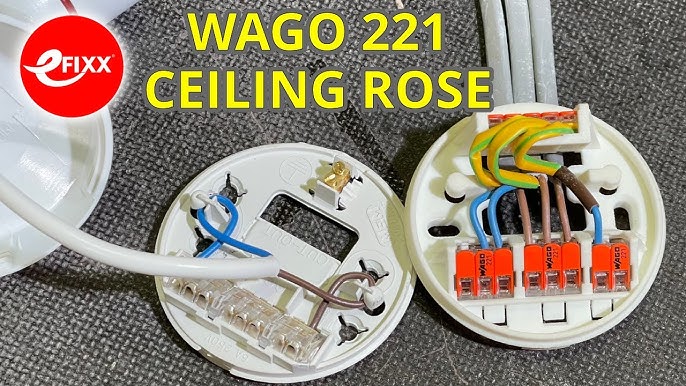
Prepare all wire connections before hanging the fan—working overhead with dangling wires creates unnecessary frustration. Strip 1/2 inch of insulation from each wire end and lightly twist strands for solid contact. The Artika Austin’s integrated receiver means only three wires exit the fan: black (hot), white (neutral), and ground.
Connect wires using this foolproof method:
– Join ceiling black wire to fan black wire with 2-port WAGO connector
– Connect ceiling white wire to fan white wire with another 2-port connector
– Use 3-port connector for ground wires (fan, ceiling, and bracket)
Cap any unused red wire with a wire nut and tuck it into the electrical box. This wire was likely used for separate light/fan control in previous installations but becomes unnecessary with Artika’s remote system.
Handle Ground Wires Correctly
Ground connections are critical for safety. The three-port WAGO connector joins the fan’s ground wire, ceiling ground wire, and mounting bracket ground tab in one secure connection. Ensure all ground wires are fully inserted until you see copper at the inspection window—this visual confirmation prevents loose connections that could cause electrical issues later.
Hang and Secure Your Artika Ceiling Fan
Lift the fan assembly into position with an assistant supporting the weight. Align the half-ball mounting element with the bracket groove until it seats fully. The fan should hang freely without binding or misalignment. Have your assistant hold it steady while you make the electrical connections.
Tighten the mounting hardware securely but avoid overtightening plastic components. Proper torque prevents wobble while avoiding damage to the fan housing. Once secured, gently rotate the fan to confirm it moves freely without scraping against the mounting bracket.
Check for Proper Seating Before Final Tightening
Before fully tightening all screws, verify the fan ball is completely seated in the bracket groove. A partially seated connection causes wobble and noise during operation. Rotate the fan slightly to ensure it moves smoothly in the mounting system before finalizing the installation.
Pair Remote Control with Integrated Receiver
With power restored at the breaker, verify wall switches are in the ON position—this is essential for remote pairing. Follow the specific sequence in your manual, typically involving pressing and holding certain buttons until the fan responds. The integrated receiver means no separate pairing module exists, simplifying how to install Artika ceiling fan significantly.
The remote’s top right button controls light on/off, while the large center button manages fan speeds. Two rows below adjust color temperature and brightness, allowing transitions from cool white morning light to warm amber evening ambiance.
Test All Remote Functions Before Finalizing
Press each button to verify functionality before considering installation complete. Check:
– All six fan speed settings
– Light on/off operation
– Color temperature adjustments
– Brightness control
– Timer functions
If any function doesn’t work, repeat the pairing process with fresh batteries in the remote. Depleted batteries are the most common cause of remote control issues after installation.
Troubleshoot Common Installation Problems
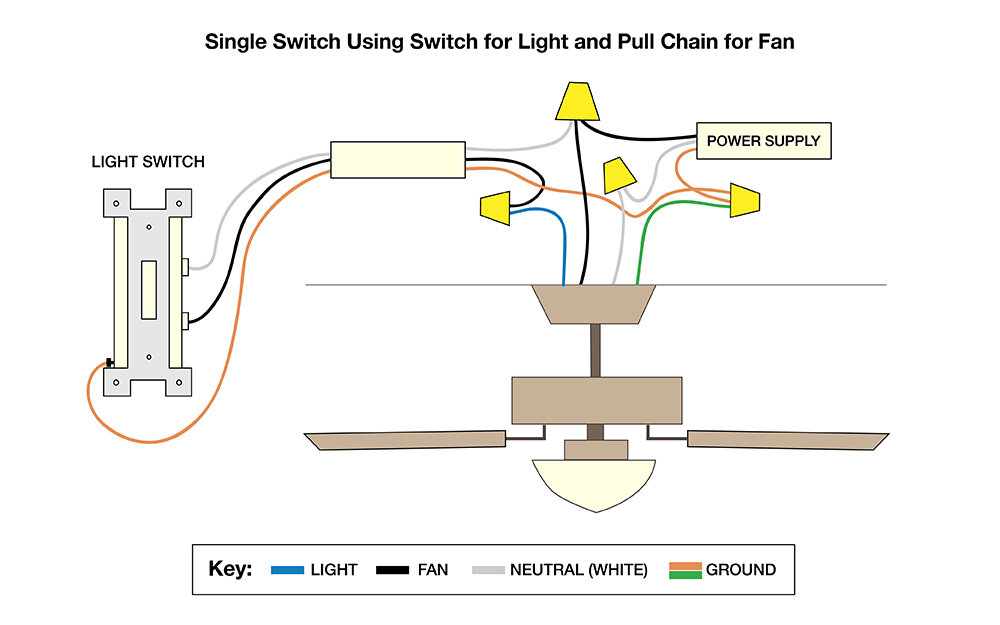
When the fan doesn’t respond after installation, the most frequent culprit is a wall switch left in the OFF position. Verify all switches controlling the circuit are ON before checking connections. If switches are confirmed ON but the fan remains unresponsive, check that all wire connections are secure with no loose strands pulled from connectors.
Fix Remote Control Issues Quickly
If the fan has power but the remote doesn’t function:
– Replace remote batteries with fresh ones
– Repeat pairing sequence exactly as instructed
– Ensure no metal objects obstruct signal transmission
– Verify wall switches remain in ON position
The Artika Austin’s integrated receiver design makes how to install Artika ceiling fan significantly easier than traditional models, eliminating the separate receiver box that typically complicates installations. By following these precise steps and prioritizing safety, you’ll enjoy your new ceiling fan’s cooling performance and versatile lighting for years to come. Remember that proper installation prevents future issues—take your time with each step to ensure a secure, wobble-free result that operates quietly and reliably.
Leave a Reply