When selecting a new ceiling fan, the motor type makes all the difference in performance, noise, and long-term costs. Your choice between ceiling fan motor type options—AC (Alternating Current) or DC (Direct Current)—directly impacts energy bills, comfort levels, and even design possibilities. While both types move air effectively, they accomplish this through fundamentally different mechanisms that create distinct advantages for specific home environments. Understanding these core differences prevents costly mistakes when upgrading your cooling system. This guide cuts through the marketing hype to show you exactly how each motor type performs in real-world conditions, so you can make a decision that aligns with your budget, comfort priorities, and home’s electrical requirements.
Why AC Ceiling Fan Motors Cost Less Upfront
AC motor ceiling fans deliver reliable performance at accessible price points because they use household electrical current directly without internal conversion circuitry. The simpler design with fewer electronic components translates to manufacturing savings that lower your initial purchase price significantly. When comparing identical fan models from the same manufacturer line, AC versions typically cost $50-$150 less than their DC counterparts—a meaningful difference when outfitting multiple rooms.
This straightforward engineering also means easier repairs when issues arise years later. With decades of refinement behind AC motor technology, replacement parts remain widely available through standard hardware channels. For rental properties, secondary rooms, or homes in regions with low electricity rates, AC motors often represent the most economical choice where long-term energy savings matter less than immediate affordability.
How DC Motors Convert Power for Superior Efficiency
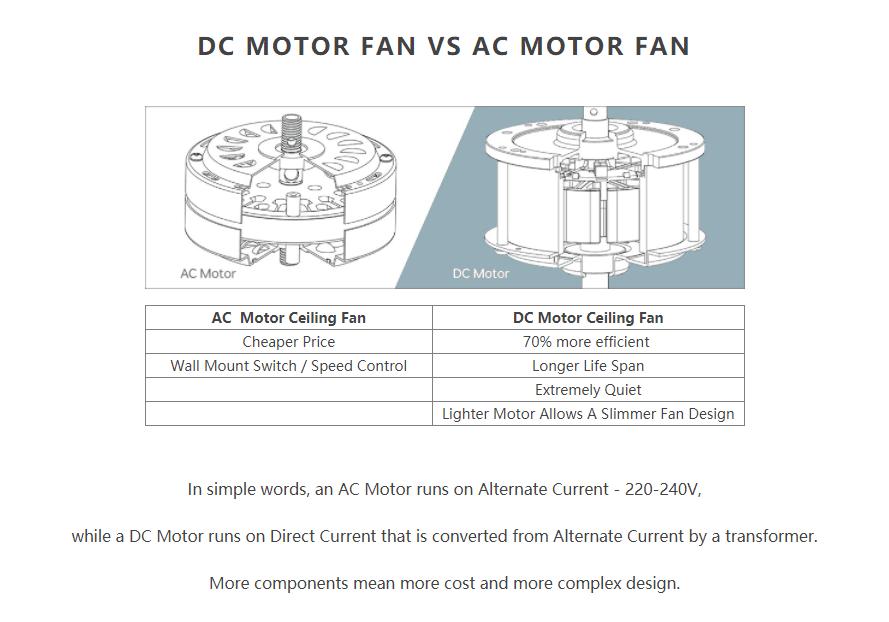
DC ceiling fans incorporate internal rectifier circuitry that transforms your home’s alternating current into direct current before powering the motor. This conversion process enables precise electronic control over electrical current rather than manipulating frequency like AC motors. The result? DC motors move air using substantially less energy while maintaining consistent performance across all speed settings.
The Trade Winds Caleb model demonstrates this efficiency advantage clearly: it delivers 5.5% more airflow (6,034 CFM versus 5,722 CFM) while consuming 37% less power (31.83 watts versus 50.76 watts) compared to its AC equivalent. This translates to a 68% improvement in airflow efficiency (189.58 CFM per watt versus 112.73 CFM per watt)—meaning you get significantly more cooling power for each dollar spent on electricity.
DC Ceiling Fan Noise Reduction You Can Actually Hear
If you’ve ever been kept awake by the hum of a bedroom ceiling fan, DC motor technology offers a tangible solution. The precise current control in DC motors eliminates the vibration inherent in AC motor operation, resulting in near-silent performance at lower speeds. Most homeowners describe DC fan operation as a gentle air rush rather than a mechanical hum—making them ideal for nurseries, home offices, and master bedrooms where quiet matters.
AC motors produce a noticeable low-frequency hum, especially at medium and low speeds when ambient noise decreases. While perfectly acceptable in living rooms or kitchens, this sound becomes disruptive in quiet spaces. If you’ve ever turned off a fan because the noise bothered you more than the heat, a DC motor ceiling fan will likely solve your problem without sacrificing cooling performance.
Six-Speed Control vs Three-Speed Limitations
DC ceiling fans typically offer six distinct speed settings compared to the standard three or four speeds on AC models. This expanded range gives you precise control to match airflow exactly to current conditions—whether you need a barely perceptible breeze on a mild spring evening or maximum circulation during summer heat waves.
The electronic controls in DC motors also enable smoother transitions between speeds. Rather than abrupt jumps between settings common with AC fans, DC models often feature gradual acceleration and deceleration that feels more natural. Some premium DC fans even include “natural breeze” modes that subtly vary speed to mimic outdoor air patterns—features impossible with traditional AC motor technology.
Compact DC Motors Enable Modern Ceiling Fan Designs
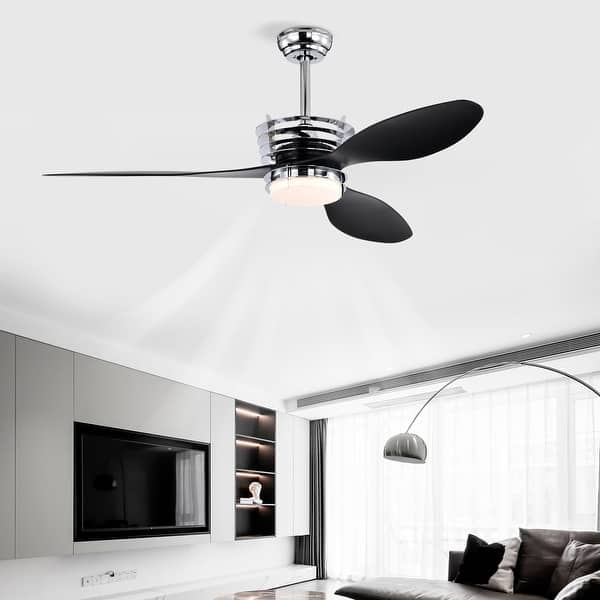
The physical size difference between motor types creates dramatically different design possibilities. DC motors occupy significantly less space than equivalent AC motors, allowing manufacturers to create sleeker profiles, integrated lighting solutions, and unconventional silhouettes. This size advantage explains why nearly all contemporary and minimalist ceiling fan designs utilize DC motor technology.
When browsing high-end lighting showrooms, you’ll notice the most innovative designs—ultra-thin housings, bladeless options, and statement-making artistic forms—all rely on DC motors. If your ceiling fan serves as a focal point in your decor scheme, DC technology provides the design flexibility needed to achieve truly distinctive aesthetics that AC motors simply can’t match due to their larger physical footprint.
Real Dollar Savings: AC vs DC Energy Costs

Calculating actual energy costs reveals how motor type impacts your wallet. Using standard assumptions of 3 hours daily operation at 10 cents per kilowatt hour:
- AC motor fan (Trade Winds Flynn): $5.56 annual operating cost
- DC motor fan (Trade Winds Caleb): $3.49 annual operating cost
That $2.07 annual savings may seem modest, but over a fan’s typical 10-year lifespan, it accumulates to $20.70 in pure electricity savings. While this doesn’t immediately offset the higher upfront DC purchase price, it represents real money back in your pocket each year—especially valuable if you run fans extensively or live in areas with above-average electricity rates.
Major Brands Offering DC Ceiling Fan Options
You don’t need to sacrifice brand reliability when choosing DC motor technology. Leading manufacturers including Kichler, Fanimation, Modern Forms, Craftmade, Hunter, and Casablanca all incorporate DC motors across their product lines. This widespread adoption means you can find DC options in virtually every price bracket—from affordable builder-grade models to premium designer fixtures.
The competitive market for DC fans drives continuous innovation while keeping prices more accessible than when the technology first emerged. Whether you prefer traditional craftsmanship or cutting-edge contemporary designs, multiple reputable brands offer DC motor ceiling fans that match your aesthetic preferences without compromising on quality or reliability.
When AC Ceiling Fans Still Make Sense
Choose AC motor ceiling fans if your top priority is minimizing initial expenditure. They remain the smart choice for:
- Rental properties where long-term savings won’t benefit you
- Secondary rooms used infrequently
- Homes in regions with very low electricity rates
- Budget-conscious installations requiring multiple fans
The Trade Winds Flynn model exemplifies this value proposition—delivering 5,722 CFM of airflow at a significantly lower purchase price than DC alternatives. While less efficient than DC options, AC fans still provide excellent energy performance compared to air conditioning systems, making them a sensible choice when upfront cost outweighs long-term savings potential.
When DC Motors Deliver Maximum Value
Invest in DC ceiling fans when these factors rank high on your priority list:
- Quiet operation for bedrooms or home offices
- Long-term energy savings for primary living spaces
- Design flexibility for modern interior aesthetics
- Precise speed control for optimal comfort customization
Homeowners planning to stay in their homes for many years will see the higher initial investment recouped through lower electricity bills. If you run fans daily for several hours throughout warm months, the DC motor’s efficiency advantage compounds significantly over time—making it the smarter financial decision despite the higher sticker price.
Making Your Final Ceiling Fan Motor Decision
Your ideal ceiling fan motor type depends entirely on your specific circumstances and priorities. AC motors win for immediate affordability and simplicity, while DC motors deliver superior long-term value through efficiency, quiet operation, and design innovation. Neither option consumes significant energy compared to HVAC systems—making both environmentally preferable to mechanical cooling.
Consider your actual usage patterns, noise sensitivity, design preferences, and planned occupancy duration when making your choice. For most primary living areas and bedrooms where fans run regularly, DC motors provide noticeable benefits that justify their higher price. For occasional-use spaces or tight budgets, AC motors remain a perfectly reasonable solution that delivers reliable performance at accessible price points. Ultimately, understanding these motor type differences puts you in control of your cooling investment rather than leaving it to marketing claims.
Leave a Reply