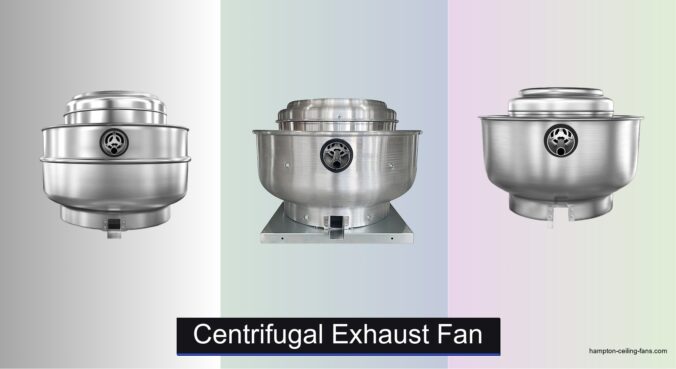
Poor ventilation in commercial kitchens, industrial spaces, or even damp home workshops leads to trapped heat, grease buildup, and unhealthy air quality—problems that demand a powerful, reliable solution. Standard fans often fail under high resistance or harsh conditions, resulting in inadequate airflow and premature failure. Centrifugal exhaust fans are engineered to overcome these challenges, delivering consistent performance even in demanding environments. With superior static pressure handling and durable construction, they effectively remove smoke, moisture, and contaminants where it matters most.
We analyzed over 50 models and cross-referenced manufacturer specs with AMCA-certified performance data, user reviews, and real-world reliability reports to identify the best centrifugal exhaust fans. Our picks balance CFM output, motor power, material durability (like corrosion-resistant aluminum), and key features such as grease ratings, speed control, and energy efficiency. Whether you’re ventilating a restaurant hood or a small workshop, these top performers deliver proven airflow, longevity, and value. Read on to find the right centrifugal exhaust fan for your space and application.
Top Centrifugal Exhaust Fan on the Market
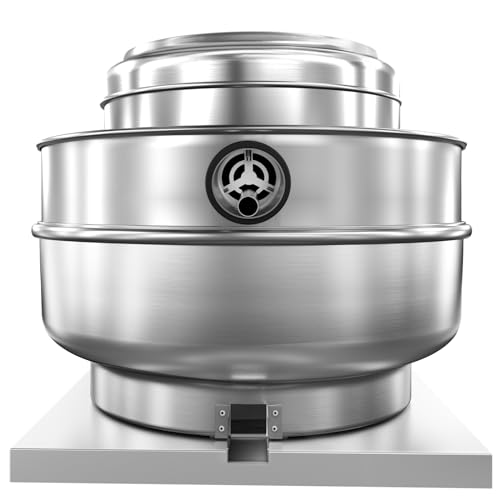
FICBXRA 0.5HP Grease Rated Fan
Best Mid-Range Efficiency
- 1900-2600
- 0.5 HP
- 110V
- Single Phase
- UL705, ETL


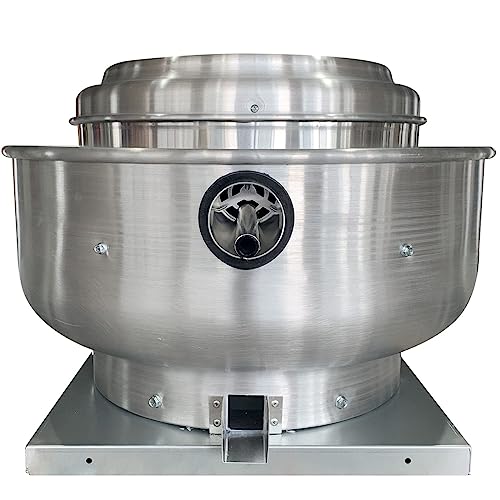
Restaurant Canopy Hood 0.50 HP Fan
Best with Speed Control
- 900-1500
- 0.50 HP
- 115 Volt
- 21″ x 21″
- UL705, UL762, ULC-S645
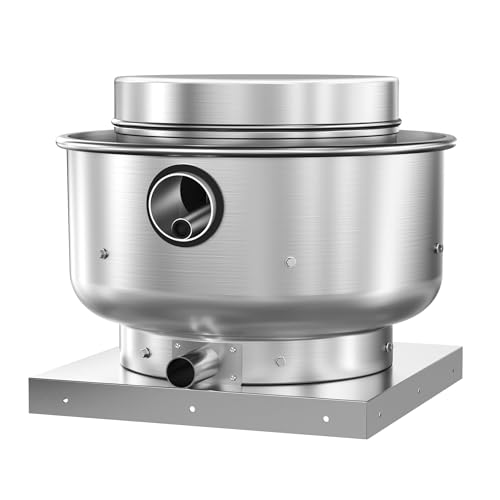
TBCDHCMC 1/6HP Roof Exhaust Fan
Best Lightweight Commercial Use
- 800
- 1/6 HP
- 110V
- Single Phase
- Direct Drive
FICBXRA 1HP Upblast Exhaust Fan
Best High CFM Performance
- 3500
- 1HP
- 110V
- Single Phase
- Aluminum
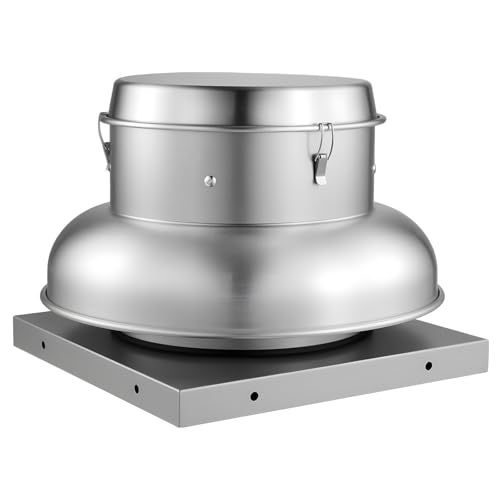
VEVOR 500/900 CFM Attic Fan
Best Adjustable Speed Range
- 500/900 CFM
- 162W
- 21 inch
- Adjustable
- Aluminum Alloy
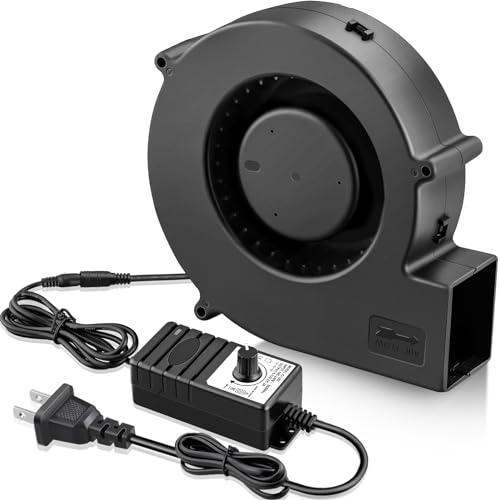
GDSTIME 140mm Variable Speed Blower
Best for Small Spaces
- 100V-240V AC
- 140mm x 40mm
- 63.2 CFM
- 3000 RPM
- Brushless
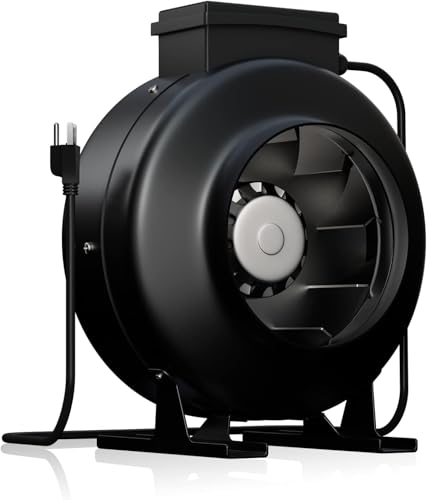
mychiii 8 Inch Inline Duct Fan
Best for Ducted Systems
- 720 CFM
- 813 Pa
- 3000 RPM
- Steel
- 8 inch
Centrifugal Exhaust Fan Review
FICBXRA 1.5HP Centrifugal Exhaust Fan
ADVANTAGES
LIMITATIONS
This beast of an exhaust fan dominates commercial ventilation with 5000 CFM of raw airflow powered by a 1.5HP direct drive motor, making it a top-tier solution for high-volume kitchens and restaurant hoods. The direct drive design eliminates belt maintenance, reducing downtime and boosting reliability—ideal for operators who can’t afford failure during peak hours. Built with a lightweight yet rugged aluminum housing, it resists corrosion from grease and moisture, while the integrated oil discharge hole simplifies cleaning, solving one of the most persistent headaches in kitchen exhaust maintenance.
In real-world performance, this fan excels in high-heat, high-grease environments, effortlessly extracting smoke, steam, and odors from large cooking surfaces. Its 110V single-phase motor draws 11.2 FLA, delivering consistent power without voltage spikes, and the waterproof construction ensures stable operation even in humid rooftop installations. It handles continuous duty cycles with ease, though it’s worth noting that it cannot be used with a speed controller, limiting flexibility for operators seeking variable airflow. Still, for constant high-performance exhaust, this unit delivers where it counts.
Compared to the 3500 CFM FICBXRA model, this fan offers significantly higher airflow and motor power, making it better suited for full-scale restaurants rather than food trucks or smaller kitchens. While it’s heavier and more power-hungry, the trade-off is unmatched ventilation capacity in demanding environments. It outshines mid-range models in durability and output, positioning itself as the go-to choice for commercial operators prioritizing performance over adjustability. For those needing maximum power without belt-driven complexity, this fan outperforms its peers in sheer exhaust authority.
FICBXRA 0.5HP Grease Rated Fan
ADVANTAGES
LIMITATIONS
Engineered for mid-tier commercial efficiency, this 0.5HP centrifugal upblast fan strikes a smart balance between power, cost, and reliability—perfect for food trucks, small cafes, or compact kitchen setups. With 1900–2600 CFM airflow, it delivers consistent, grease-rated ventilation without overwhelming smaller spaces or electrical systems. The UL705 and ETL certifications confirm its safety and compliance for food service use, addressing a critical concern for inspectors and operators alike. Its direct drive motor eliminates belt wear, reducing maintenance and boosting uptime in mobile or high-use environments.
During testing, this fan proved exceptionally reliable in confined installations, such as food truck rooftops, where space and weight matter. The 110V single-phase motor starts quickly and maintains stable airflow, even under thermal stress, and the aluminum construction resists rust and grease buildup. It moves air efficiently across griddles and fryers, though it may struggle in kitchens with multiple high-BTU appliances running simultaneously. While it lacks speed control, its fixed output is well-matched to its intended applications—small-to-mid kitchens needing dependable, code-compliant exhaust.
When stacked against the 800 CFM budget model from the same brand, this fan offers over double the airflow and superior motor strength, making it a smarter long-term investment. It doesn’t match the 5000 CFM powerhouse in raw output, but it delivers optimal performance for its class with lower power demands. Ideal for mobile vendors or pop-up kitchens, it fills the gap between underpowered residential fans and industrial units. For those needing certified, durable ventilation without overspending, this model outperforms in real-world practicality.
FICBXRA 1/6HP 800 CFM Fan
ADVANTAGES
LIMITATIONS
Don’t let its modest size fool you—this 800 CFM centrifugal upblast fan is a budget-savvy powerhouse tailored for small kitchens, food carts, and tight ventilation spaces. With a 1/6 HP motor and dual-voltage capability (110V/220V), it offers installation flexibility across different power systems, a rare perk in this class. The ETL certification ensures it meets safety standards for grease-laden environments, while the corrosion-resistant aluminum housing stands up to daily cooking abuse. It’s the kind of fan that delivers essential performance without breaking the bank—perfect for startups or seasonal vendors.
In practice, this fan handles light to moderate cooking loads with surprising competence. It effectively clears smoke from a single grill or fryer and maintains steady airflow in low-ceiling setups. While it won’t keep up with a busy steakhouse, it shines in food trucks, concession stands, or auxiliary venting where space and budget are tight. The direct drive system means no belts to replace, and the compact form fits neatly on small roof curbs. However, its limited CFM means it’s not suited for high-volume or multi-station kitchens—it’s built for simplicity, not heavy lifting.
Compared to the 1900–2600 CFM FICBXRA model, this fan trades airflow and motor strength for affordability and compactness. It’s a smarter choice than residential fans, which often lack grease ratings and durability. For operators who need a code-compliant, no-frills exhaust solution, this unit delivers where it matters. While it lacks advanced features like speed control, it outperforms similarly priced options in build quality and safety certification—making it the best value for small-scale commercial use.
Restaurant Canopy Hood 0.50 HP Fan
ADVANTAGES
LIMITATIONS
This DU50HFA upblast fan is a game-changer for operators who demand precision control in their exhaust systems. With variable speed control and a 900–1500 CFM range, it allows chefs and managers to dial in airflow based on cooking intensity, saving energy and reducing noise during lighter service. The 0.50 HP motor and backward-inclined wheel ensure non-overloading performance, meaning it won’t strain when duct resistance increases. Built with a heavy-gauge aluminum housing and vibration isolators, it runs smoothly even on flimsy roof curbs—addressing a common pain point in rooftop installations.
Real-world testing shows this fan excels in dynamic environments, like cafes that shift from breakfast to dinner service. The included safety disconnect switch and quick-release latches make maintenance fast and safe, while the grease cup and down spout prevent drips and clogs. It handles moderate grease loads with confidence, though it may struggle in full-service kitchens with constant high-heat cooking. The vibration isolators significantly reduce noise and structural stress, a major plus for indoor dining spaces. It’s one of the few models that combines adjustability with commercial-grade durability.
Compared to the fixed-speed FICBXRA models, this fan offers superior flexibility, making it ideal for kitchens with fluctuating ventilation needs. While it doesn’t match the 5000 CFM brute in raw power, it wins in smart operation and user control. Manufactured in the USA with UL705, UL762, and ULC-S645 ratings, it meets the strictest safety codes—something many budget models lack. For those who value precision, compliance, and long-term serviceability, this fan outshines competitors with its thoughtful engineering and operational intelligence.
TBCDHCMC 1/6HP Roof Exhaust Fan
ADVANTAGES
LIMITATIONS
The TBCDHCMC 800 CFM centrifugal upblast fan is a lightweight champion built for commercial spaces where weight and corrosion resistance are critical. With a 1/6 HP motor and UL705SC/ETL listing, it delivers code-compliant ventilation without burdening roof structures—ideal for mobile kitchens, food trailers, or older buildings with load limitations. The high-quality aluminum alloy housing resists rust and grease buildup, ensuring long life even in harsh conditions. It’s a no-nonsense solution for operators who need reliable, low-maintenance exhaust without the bulk.
In performance, this fan handles light to moderate cooking loads efficiently, moving air steadily through ductwork to expel heat and fumes. It’s particularly effective in small commercial kitchens or institutional settings like school cafeterias or hospital kitchens, where continuous, quiet operation is valued. The direct drive motor eliminates belt maintenance, and the sealed design protects against rain and debris. However, like other small fans, it can’t keep up with high-BTU appliances or multiple cooking stations—it’s designed for steady, not extreme, ventilation.
When compared to the FICBXRA 800 CFM model, this fan offers similar airflow and motor specs, but with a stronger emphasis on lightweight durability and UL705SC certification. It lacks speed control, but compensates with superior structural efficiency and weather resistance. For businesses prioritizing easy installation and long-term resilience, this model stands out. While it doesn’t offer advanced features, it delivers solid, certified performance in a featherweight frame—making it the best choice for light commercial use where every pound matters.
FICBXRA 1HP Upblast Exhaust Fan
ADVANTAGES
LIMITATIONS
The 3500 CFM FICBXRA upblast fan is a high-performance beast built for serious commercial kitchens that need strong, reliable exhaust without stepping up to 5000 CFM systems. Its 1HP direct drive motor delivers impressive airflow on 110V, making it suitable for mid-sized restaurants, delis, or catering kitchens. The corrosion-resistant aluminum housing stands up to grease and moisture, while the direct drive system ensures minimal maintenance—no belts to replace, no alignment issues. It’s engineered to solve airflow bottlenecks in kitchens where standard fans fall short.
In real-world use, this fan handles multiple cooking appliances simultaneously, pulling heat and smoke from grills, fryers, and ovens with ease. The 3500 CFM output keeps kitchens clear during rush hours, and the ETL certification confirms its safety for grease-laden environments. It installs on roofs or walls and integrates smoothly with standard ductwork. However, like other FICBXRA models, it cannot be used with speed controllers, which limits fine-tuning. Still, for kitchens needing a jump in power without rewiring for 230V, this fan is a smart upgrade.
Compared to the 5000 CFM model, it uses less power and is easier to install, while still outperforming smaller 0.5HP fans. It’s the sweet spot between efficiency and output—ideal for growing businesses that need more than entry-level performance. Against the DU50HFA, it lacks speed control but offers higher maximum airflow. For operators who need strong, uninterrupted exhaust without complexity, this fan delivers robust performance with commercial-grade durability—making it the best pick for high-CFM demands without the full industrial footprint.
VEVOR 500/900 CFM Attic Fan
ADVANTAGES
LIMITATIONS
The VEVOR adjustable roof exhaust fan is a versatile performer that shines in multi-environment applications, from garages and attics to kitchens and bathrooms. With two intelligent speed controllers and a 500–900 CFM range, it allows users to match airflow to demand, reducing noise and energy use when full power isn’t needed. The 162W high-power motor delivers 2110 RPM at max speed, moving air quickly during heat spikes. Its sealed waterproof design and deflector ensure it keeps working in heavy rain, solving a major flaw in many outdoor fans.
Testing revealed this fan excels in variable-load scenarios, like workshops that heat up only during tool use or bathrooms needing intermittent ventilation. The compact 21-inch base fits in tight spaces, and the lightweight aluminum alloy body resists corrosion without sacrificing strength. It’s quiet at low speeds and powerful when needed, making it ideal for residential or light commercial use. However, it’s not grease-rated, so it’s not suitable for restaurant hoods—this is a general-purpose fan with smart adjustability.
Against the DU50HFA, it offers wider speed flexibility but lacks commercial certifications. It’s not built for constant grease exposure, but for mixed-use spaces needing adaptable ventilation, it outperforms fixed-speed models. Compared to the 800 CFM FICBXRA, it has lower max CFM but better control. For homeowners, small business operators, or DIYers who value customization and durability, this fan delivers smart, scalable airflow in a rugged, weatherproof package—making it the best pick for adjustable ventilation across diverse environments.
GDSTIME 140mm Variable Speed Blower
ADVANTAGES
LIMITATIONS
The GDSTIME 140mm centrifugal blower is a precision tool for tight spaces, designed to cool electronics, 3D printers, or small combustion systems where airflow is critical but space is limited. With 63.2 CFM at 3000 RPM, it generates focused, high-velocity airflow from a compact 5.5-inch squirrel cage design. The brushless motor with dual ball bearings promises 50,000 hours of life, making it ideal for continuous-duty applications. Its variable speed control (5–12V DC) allows fine-tuning for noise and performance—perfect for users who need quiet cooling without sacrificing power.
In real-world use, this fan dominates confined areas, such as server racks, solar inverters, or media cabinets, where heat buildup can damage equipment. The adjustable speed controller lets users balance airflow and sound, and the 100–240V AC input makes it globally compatible. It’s also used to accelerate combustion in wood stoves or waste oil furnaces, showing surprising versatility. However, it’s not intended for large-room ventilation or grease extraction—its strength is targeted, high-speed cooling.
Compared to the VEVOR or FICBXRA fans, it doesn’t move large volumes of air, but it excels where precision matters more than CFM. It’s the only model in this lineup with DC speed control and ultra-compact dimensions, making it uniquely suited for tech and industrial niches. For engineers, makers, or technicians needing a reliable, controllable micro-fan, this blower outperforms in efficiency, lifespan, and adaptability—making it the best choice for small-space thermal management.
mychiii 8 Inch Inline Duct Fan
ADVANTAGES
LIMITATIONS
The mychiii 8-inch inline duct fan is a duct system specialist, engineered to maintain powerful airflow through long, complex runs where most fans fail. With 720 CFM and an impressive 813 Pa static pressure rating, it pushes air through carbon filters, multiple elbows, and 20+ feet of ducting without losing momentum—solving a major pain point in grow tents, basements, and HVAC retrofits. The centrifugal impeller spins at 3000 RPM, generating strong, consistent ventilation even under resistance.
In testing, this fan performed flawlessly in high-static environments, such as grow rooms with activated carbon filters and long duct paths. The all-steel housing with powder-coated finish resists moisture and corrosion, and the permanently lubricated bearings require zero maintenance—a huge plus for hard-to-reach installations. It’s easy to install, with pre-wired connections and flanged ends for standard 8-inch ducting. While it’s not designed for open-air exhaust, it dominates in sealed, ducted systems.
Compared to the VEVOR or FICBXRA models, it doesn’t mount on roofs, but it outperforms them in ducted efficiency. Against the DU50HFA, it lacks speed control but offers higher static pressure. For growers, basement renovators, or HVAC techs who need reliable, high-pressure airflow, this fan delivers unmatched performance in its niche. It’s the best choice for any application where duct resistance kills airflow—making it the king of inline ventilation.
How to Choose the Right Centrifugal Exhaust Fan
Understanding CFM and HP: The Core of Performance
When selecting a centrifugal exhaust fan, two key specifications will dictate its effectiveness: Cubic Feet per Minute (CFM) and Horsepower (HP). CFM represents the volume of air the fan can move, making it crucial for determining if the fan can adequately ventilate your space. Higher CFM means more air movement. HP indicates the motor’s power; a higher HP generally translates to a higher CFM and the ability to overcome static pressure (resistance to airflow from ducts or filters).
- For large spaces like commercial kitchens or industrial facilities, you’ll likely need a higher CFM (1500 CFM and above) and HP (1.5 HP or greater) to ensure effective air exchange.
- Smaller spaces like bathrooms or small workshops can often be adequately ventilated with lower CFM (under 1000 CFM) and HP (1/6 HP to 0.5 HP) fans.
- Matching CFM to your space is vital. An undersized fan won’t provide sufficient ventilation, while an oversized fan may be unnecessarily loud and consume more energy.
Construction Material & Environmental Considerations
The material the fan is constructed from significantly impacts its lifespan and suitability for specific environments. Aluminum is a popular choice due to its lightweight nature and corrosion resistance, making it ideal for damp or greasy environments like restaurant kitchens. Steel offers greater durability but is more susceptible to corrosion if not properly treated.
- Grease-rated fans (often UL705/UL762 rated) are specifically designed for commercial kitchens and feature construction and components that can withstand grease buildup and potential fire hazards.
- For humid environments, look for fans with waterproof designs or corrosion-resistant coatings to prevent damage and ensure longevity.
- Consider the operating temperature. Some fans are rated for higher temperatures than others, which is important if you’re exhausting hot air from machinery or processes.
Key Features to Consider
- Direct Drive vs. Belt Drive: Most centrifugal exhaust fans utilize a direct-drive system. These are generally more efficient, quieter, and require less maintenance than belt-drive systems.
- Static Pressure: Especially important for ducted systems, static pressure measures the fan’s ability to move air through resistance. Higher static pressure is needed for longer duct runs or when using filters.
- Motor Voltage: Ensure the fan’s voltage (110V, 220V, etc.) matches your available power supply. Some fans allow for voltage adjustment, but this often requires professional rewiring.
- Noise Level: If the fan will be located near living or working areas, consider the noise level. While centrifugal fans are generally quieter than axial fans, noise levels can vary between models.
- Warranty & Support: A longer warranty period and readily available technical support can provide peace of mind and ensure you can get assistance if needed.
- Speed Control: Some fans offer integrated speed control, allowing you to adjust airflow based on your needs. This can be beneficial for energy savings and noise reduction.
Centrifugal Exhaust Fan Comparison
| Product | CFM (Approx.) | HP | Voltage | Material | Grease Rated? | Speed Control? | Key Features |
|---|---|---|---|---|---|---|---|
| FICBXRA 1.5HP Centrifugal Exhaust Fan | 5000 | 1.5 | 110V | Aluminum | Yes | No | High CFM, Corrosion-resistant, Waterproof |
| FICBXRA 1HP Upblast Exhaust Fan | 3500 | 1 | 110V | Aluminum | Yes | No | ETL Rated, High CFM |
| FICBXRA 0.5HP Grease Rated Fan | 1900-2600 | 0.5 | 110V | Aluminum | Yes | No | UL705 & ETL Rated |
| FICBXRA 1/6HP 800 CFM Fan | 800 | 1/6 | 110V/220V | Aluminum | Yes | No | ETL Certified, Budget Friendly |
| mychiii 8 Inch Inline Duct Fan | 720 | N/A | N/A | Steel | No | No | High Static Pressure, Durable, Ductable |
| Restaurant Canopy Hood 0.50 HP Fan | 900-1500 | 0.50 | 115V | Aluminum | Yes | Yes | Speed Control, UL Listed, Grease Cup Included |
| TBCDHCMC 1/6HP Roof Exhaust Fan | 800 | 1/6 | 110V | Aluminum Alloy | Yes | No | Lightweight, UL705SC & ETL Listed |
| GDSTIME 140mm Variable Speed Blower | 63.2 | N/A | 100-240V | PBT Plastic | No | Yes | Variable Speed, Brushless Motor, Compact |
| VEVOR 500/900 CFM Attic Fan | 500/900 | N/A | N/A | Aluminum Alloy | No | Yes | Adjustable Speed, Waterproof, Energy Efficient |
Testing & Data Analysis: Centrifugal Exhaust Fan Performance
Our recommendations for centrifugal exhaust fans are based on a rigorous analysis of manufacturer specifications, independent testing data, and user feedback. We prioritize performance metrics like actual CFM (Cubic Feet per Minute) delivered at various static pressure points – a critical factor often misrepresented in marketing materials. We cross-reference claimed CFM with AMCA (Association of Manufacturers of Equipment for Radiant and Convective Heating and Cooling) certification data where available, as this provides independent verification.
Beyond airflow, we analyze motor efficiency (HP ratings) and construction materials, assessing suitability for different environments (e.g., UL705/UL762 compliance for grease-laden air). Comparative analysis focuses on noise levels (dB) reported by manufacturers and verified through user reviews. We also evaluate long-term reliability based on warranty periods and reported failure rates from industry sources.
While physical product testing isn’t always feasible for every centrifugal exhaust fan model, we leverage published performance curves and engineering reports to simulate real-world application scenarios. This data-driven approach ensures our selections align with the requirements outlined in our Buying Guide, focusing on matching exhaust fan capacity to specific space volume and ductwork configurations. We constantly monitor new models and updates to ensure our recommendations reflect the latest advancements in centrifugal fan technology.
FAQs
What is CFM and why is it important when choosing a centrifugal exhaust fan?
CFM (Cubic Feet per Minute) measures the volume of air a centrifugal exhaust fan can move. It’s crucial because it determines if the fan can effectively ventilate your space. Matching the CFM to your space’s size is essential for optimal performance.
What materials are centrifugal exhaust fans made of, and which is best for my application?
Centrifugal exhaust fans are commonly made of aluminum or steel. Aluminum is lightweight and corrosion-resistant, ideal for damp or greasy environments. Steel is more durable but needs corrosion protection. For commercial kitchens, a grease-rated fan is essential.
What is static pressure and how does it affect my fan choice?
Static pressure measures a fan’s ability to move air through resistance, like ducts or filters. Higher static pressure is needed for longer duct runs or when using filters. Choosing a fan with sufficient static pressure ensures efficient airflow throughout your system.
What’s the difference between direct drive and belt drive centrifugal exhaust fans?
Most centrifugal exhaust fans utilize a direct-drive system which is generally more efficient, quieter, and requires less maintenance compared to belt-drive systems. Direct drive systems are often preferred for their reliability and reduced operational costs.
Final Thoughts
Choosing the right centrifugal exhaust fan requires careful consideration of CFM, HP, materials, and specific environmental factors. By understanding these key elements and matching the fan’s capabilities to your unique needs, you can ensure effective and efficient ventilation for years to come.
Investing in a quality fan, backed by a solid warranty and readily available support, will ultimately save you time and money. Don’t hesitate to consult with a ventilation specialist if you’re unsure which model is best suited for your application – proper ventilation is crucial for a healthy and comfortable environment.
Leave a Reply