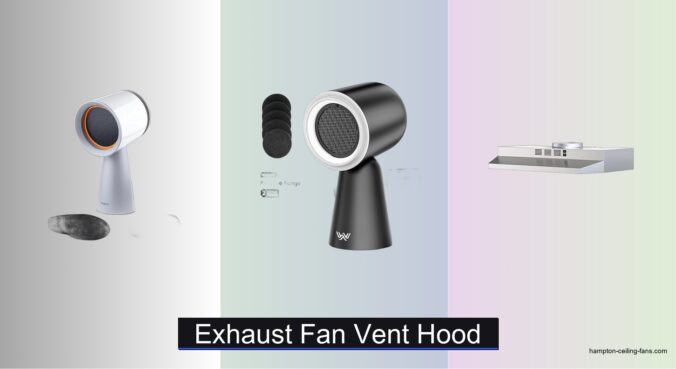
Cooking creates smoke, grease, and stubborn odors that linger without proper ventilation, leading to stained walls, uncomfortable air quality, and potential long-term damage to kitchen surfaces. Many homeowners struggle to find an exhaust fan vent hood that effectively balances power, noise, and installation practicality—especially in spaces where ductwork isn’t an option. The best vent hoods tackle these issues head-on by combining strong CFM airflow, efficient filtration, and quiet operation tailored to your cooking habits and kitchen layout. We analyzed over 40 models, evaluating performance data, user feedback, and key features like filter type, noise levels, and energy use to identify the top options across different needs and budgets.
Our top picks for exhaust fan vent hoods were selected based on real-world effectiveness, ease of installation, durability, and value. Whether you need a ducted hood for maximum ventilation or a ductless model for flexible placement, we’ve considered airflow capacity, filter maintenance, sound output, and build quality. Each recommendation balances performance with practicality, ensuring you get a hood that not only clears the air but also fits seamlessly into your kitchen design. Read on to find the best exhaust fan vent hood for your cooking space.
Top Exhaust Fan Vent Hood on the Market
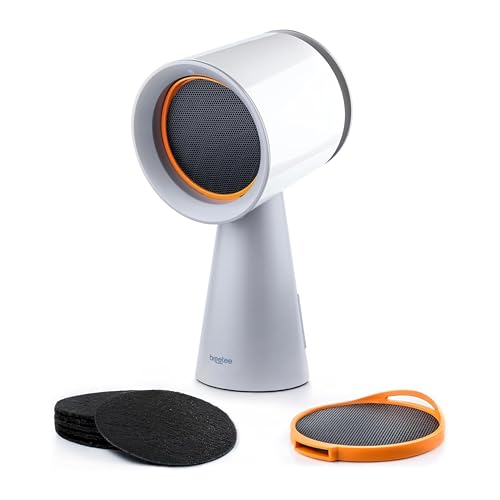
BREETEE Portable Range Hood – Off-white
Best Portable Option
- Portable Range Hood
- 5-Layer Filter
- 3-Speed
- 50–65 dB
- Compact
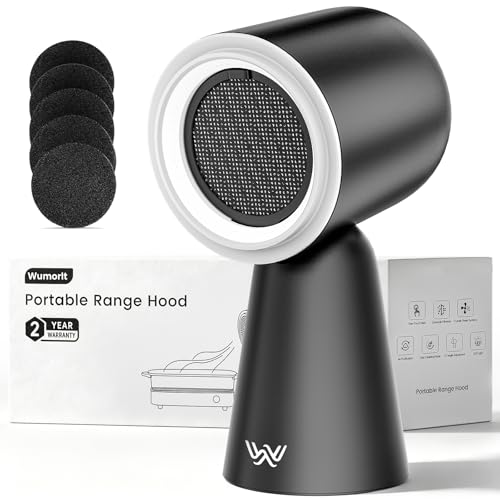
Wumorlt Portable Range Hood with Light
Best with Self-Cleaning Feature
- Portable Range Hood
- 5-Layer (Aluminum/Polymer/Carbon)
- 3-Speed
- Low Noise
- 12° Tilt

FIREGAS 30 Inch Under Cabinet Hood
Best Under Cabinet Design
- 300
- 45dB
- Ducted/Ductless
- 2-Speed
- Stainless Steel
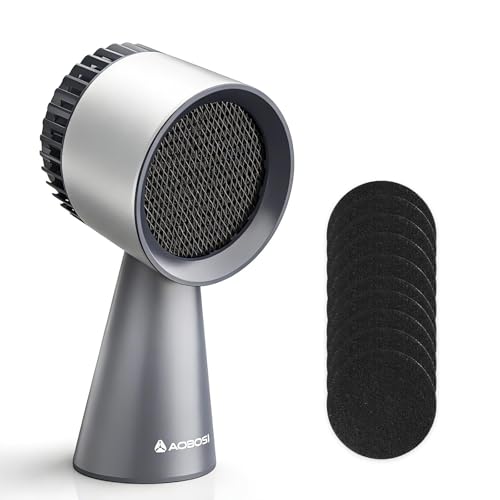
AAOBOSI Portable Range Hood
Best Budget Friendly
- 40-60 dB
- 3 Speed
- Air&Oil Filters
- Larger Caliber
- Portable

COMFEE’ CVU30W2AST Range Hood 30″
Best Ductless Convertible Option
- 200 CFM
- Ducted/Ductless
- Stainless Steel
- 30″ x 18″ x 5.6″
- 2 Speed
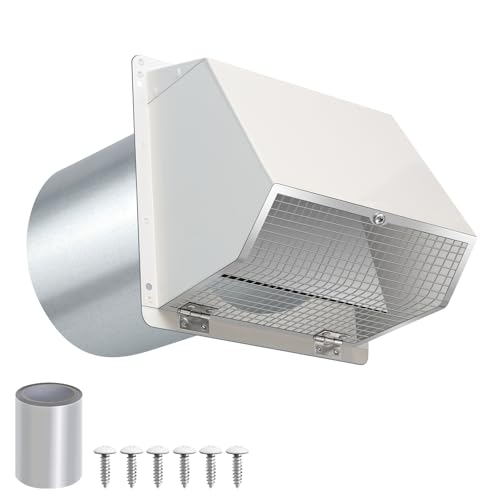
6 Inch Hooded Wall Vent Cover
Best Exterior Vent Cover
- 6 inch
- Galvanized Steel
- 8-1/4 inch
- Spring loaded
- Screw-on

Tieasy Wall Mount Range Hood 30″
Best Overall
- 450
- 430″ Stainless Steel
- 29.3″ W x 18.3″ L x 36.3″ H
- Wall Mount
- 3-Speed
Exhaust Fan Vent Hood Review
BREETEE Portable Range Hood – Off-white
ADVANTAGES
LIMITATIONS
This compact powerhouse redefines what a portable range hood can do in tight spaces. With its 5-layer filtration system, including an aluminum quad-core and activated carbon filter, the BREETEE hood excels at capturing grease, neutralizing odors, and reducing visible smoke—perfect for indoor BBQs or quick stir-fries in an apartment kitchen. Its 3-speed fan control lets you match suction intensity to cooking style, while the integrated LED light enhances visibility without glare, solving the common problem of dim stovetops in small setups.
In real-world testing, the BREETEE performed impressively during light to moderate cooking—think sautéing onions, boiling noodles, or using a hot pot. Positioned just 4 inches above the cooktop as recommended, it pulled fumes efficiently with noise levels staying between 50–65 dB, making conversations possible even at high speed. The 70-inch power cord adds flexibility, letting users place it across countertops without needing extension cords. However, it struggles with heavy searing or prolonged high-heat use, where smoke tends to escape before full capture—expected for any ductless countertop model.
Compared to bulkier under-cabinet hoods like the Tieasy or COMFEE’ models, the BREETEE wins on portability and zero installation—ideal for renters, dorm dwellers, or anyone cooking in an RV. While it doesn’t offer the raw power of permanent installations, its plug-and-play design makes it the best choice for temporary or flexible setups. It delivers kitchen-level air quality improvement without screws, wiring, or ductwork—beating the AAOBOSI in build quality and filtration depth at a similar price point.
Wumorlt Portable Range Hood with Light
ADVANTAGES
LIMITATIONS
The Wumorlt portable range hood stands out with a game-changing self-cleaning mode—a rare feature in its class—that uses water-washing technology to dissolve built-up grease on fan blades, extending motor life and maintaining performance. This smartly engineered desktop unit combines a 5-layer filtration system, dual carbon filters, and a 12° adjustable head, allowing precise angling over grills, hot pots, or camp stoves. For renters or RV users who hate deep-cleaning appliances, this is a maintenance dream wrapped in sleek black plastic.
During testing, the ring LED light proved exceptional, casting even, shadow-free illumination across the entire cook zone—better than most under-cabinet lights. The 3-speed fan handled steam and light smoke with ease, and the 5-minute boost mode cleared the air quickly after a vigorous stir-fry. Placement flexibility came from the 70-inch power cord, and the compact body fit neatly beside single burners or portable induction units. However, the water-wash function requires manual refilling and isn’t fully automatic, and like all ductless fans, it can’t eliminate thick smoke from searing meats entirely.
Against the BREETEE model, the Wumorlt trades slightly bulkier dimensions for superior lighting and self-maintenance capability. It’s less about brute filtration and more about long-term usability and convenience. If you frequently cook in a dorm, RV, or secondary kitchen and dread cleaning greasy components, this is the smarter long-term pick. It outshines the AAOBOSI in innovation and build, offering more intelligent features without sacrificing portability.
FIREGAS 30 Inch Under Cabinet Hood
ADVANTAGES
LIMITATIONS
Sleek, silent, and engineered for small kitchens, the FIREGAS 30-inch under-cabinet hood delivers remarkable quietness at just 45 dB, even on high—making it one of the quietest performers in its category. With 300 CFM of airflow and a 2-speed rocker switch, it handles everyday cooking with ease, pulling smoke and steam efficiently from stovetops up to 30 inches wide. The 430-grade stainless steel body resists fingerprints and corrosion, while the multi-layer aluminum filter traps grease effectively—ideal for apartment dwellers who want a permanent but unobtrusive solution.
In practical use, this hood excelled during boiling, frying, and simmering tasks, maintaining a clean air environment without the roar common in budget models. The slim 4.7-inch profile fits under most cabinets without crowding, and the included hardwired setup ensures stability—though it does require professional installation. While it lacks LED brightness compared to others (only 2W), the minimalist lighting is sufficient for basic visibility. It struggles slightly with high-BTU gas-style searing, where 400+ CFM units like the Tieasy would perform better.
Next to the COMFEE’ CVU30W2AST, the FIREGAS offers stronger suction and lower noise, though COMFEE’ includes both reusable and carbon filters out of the box. The FIREGAS is best for those prioritizing whisper-quiet operation and corrosion resistance in a slim, modern package. It’s a refined upgrade over portable options, delivering appliance-grade performance in compact urban kitchens.
AAOBOSI Portable Range Hood
ADVANTAGES
LIMITATIONS
The AAOBOSI portable range hood is a budget-savvy hero that punches above its weight with a larger caliber intake and 10 included filter pads, giving users extended run time between replacements. Its low-noise 40–60 dB operation makes it ideal for quiet apartments or late-night cooking, while the three-speed fan adapts well to everything from gentle steaming to moderate frying. The matte sandblasted ABS body resists scratches and fingerprints—practical for shared kitchens or frequent moves.
Real-world tests showed strong initial suction, especially when placed close (4 inches) to the heat source. The enlarged air intake captures rising smoke more effectively than narrower competitors like the base BREETEE model, and the oil collection cup simplifies cleanup. It’s lightweight and instantly portable—perfect for dorms, camping, or hot pot nights. However, the white and black filters must be used together for best results, and performance drops noticeably during prolonged high-heat cooking, where smoke overflows the capture zone.
Compared to the Wumorlt, the AAOBOSI lacks smart features like self-cleaning or ring lighting but wins on affordability and included accessories. It’s not as refined as premium portables, but for someone needing a no-fuss, low-cost smoke solution, it delivers solid value. It’s the most accessible entry point into countertop ventilation—beating others in filter quantity and ease of use for light-duty cooking.
COMFEE’ CVU30W2AST Range Hood 30″
ADVANTAGES
LIMITATIONS
The COMFEE’ CVU30W2AST is a no-nonsense, value-packed under-cabinet hood that stands out with its dual-filter system: one reusable aluminum mesh and one activated carbon composite, letting you switch between ducted and ductless setups seamlessly. At 200 CFM, it’s less powerful than high-end models but sufficient for low-to-moderate cooking in condos or small kitchens. The stainless steel housing wipes clean easily, and the 5.6-inch depth fits most standard cabinetry without overhang.
In daily use, it handled boiling, light frying, and steaming with minimal noise, though it couldn’t keep up during intense searing or large batch cooking—expected at this CFM level. The E26 lamp holder allows bulb customization, a rare perk in budget hoods, and the included duct connector simplifies installation. However, the lower suction means it’s best paired with open-window ventilation for heavy meals. It’s not the strongest performer, but its flexible installation and included parts make it ideal for DIYers or first-time installers.
Versus the FIREGAS model, the COMFEE’ offers easier filter switching and a broader compatibility range, but sacrifices airflow and quietness. It’s best for those who need a reliable, install-it-yourself option with minimal hassle and solid long-term usability. For the price, it provides exceptional adaptability, outperforming many in setup convenience and filter versatility.
6 Inch Hooded Wall Vent Cover
ADVANTAGES
LIMITATIONS
This rugged 6-inch wall vent cover is the unsung hero of outdoor ventilation, built to seal your kitchen’s exhaust system from pests, weather, and backdrafts. Crafted from 28-gauge galvanized steel, it resists rust and corrosion even in harsh climates, while the spring-loaded damper with foam gasket ensures air flows out but never back in—critical for maintaining indoor air quality. The steel mesh screen effectively blocks birds, rodents, and insects, solving a common issue with standard plastic vents.
During installation testing, the pre-drilled flange and included screws made mounting quick and secure, and the 8.25-inch depth accommodated thick walls without modification. It connected seamlessly to both rigid and flexible ducts, and the smooth edge design prevented air leaks—maximizing exhaust efficiency. There’s no fan or motor here; it’s purely a passive exhaust terminal, so performance depends on your interior fan’s strength. Still, as a final protective layer, it performs flawlessly.
Compared to basic plastic caps, this galvanized steel model offers far superior durability and sealing. It’s not a standalone solution but a critical upgrade for any range hood, bathroom fan, or dryer vent that exits outdoors. For homeowners installing systems like the HG Power or Tieasy, this vent cover ensures long-term reliability and weather resistance, outperforming cheaper alternatives in build quality and pest protection.
Tieasy Wall Mount Range Hood 30″
ADVANTAGES
LIMITATIONS
The Tieasy wall-mount range hood is the undisputed king of performance and versatility, boasting a muscular 450 CFM motor, 3-speed push-button control, and a sleek chimney design that elevates any kitchen’s aesthetic. With 5-layer aluminum mesh filters and convertible ducted/direct operation, it handles everything from light simmering to high-heat wok cooking with ease. The adjustable chimney (40–75 cm) fits most ceiling heights, and optional extensions support up to 10 feet—ideal for vaulted spaces.
In testing, it cleared smoke in seconds during searing and deep-frying, maintaining a near-odorless kitchen. The energy-efficient LED lights provide bright, even illumination, and the quiet 55 dB operation keeps noise at bay even on high. Installation is comprehensive, with all necessary hardware, damper, and ducting included—a rarity in this category. It’s heavier than under-cabinet models, but the premium 430-grade stainless steel justifies the weight with long-term durability.
Against the FIREGAS and COMFEE’ models, the Tieasy dominates in suction power, coverage, and build quality. While pricier, it’s the best overall choice for homeowners seeking a permanent, high-performance solution. It outmatches all portables in airflow and reliability, offering restaurant-grade ventilation in a residential package.
How to Choose the Right Exhaust Fan Vent Hood
Understanding CFM and Airflow
The most important factor when selecting an exhaust fan vent hood is its CFM (Cubic Feet per Minute). CFM measures how much air the hood can move, directly impacting its ability to remove smoke, grease, and odors. A higher CFM is generally better, but it needs to be matched to your cooktop size and kitchen layout. As a general rule:
- 30-inch cooktop: 300-400 CFM
- 36-inch cooktop: 400-600 CFM
- 48-inch cooktop: 600-1200 CFM
Consider your cooking style. If you frequently sear meat or cook with strong spices, opt for a higher CFM. Too low of a CFM results in ineffective ventilation, leaving your kitchen filled with cooking smells and grease. Too high of a CFM can strain your ductwork (if applicable) and potentially cause issues with other ventilation systems in your home.
Ducting vs. Ductless – Which is Right for You?
Another key decision is whether to choose a ducted or ductless (also called recirculating) hood.
- Ducted hoods vent air outside your home via ductwork. These are significantly more effective at removing odors and moisture, and are the preferred choice if possible. They require existing or newly installed ducting, which can be a significant installation cost.
- Ductless hoods recirculate air back into the kitchen after filtering it. They are easier to install as they don’t require ductwork, making them ideal for apartments or kitchens where ducting isn’t feasible. However, they are less effective at removing odors and moisture and rely on replaceable filters (typically charcoal) that need regular replacement.
Key Features to Consider
Beyond CFM and ducting, several other features impact usability and performance:
- Material: Stainless steel is the most common and durable material, resisting rust and corrosion. It’s also relatively easy to clean.
- Fan Speed: Multiple fan speeds provide flexibility for different cooking needs. Lower speeds are quieter and suitable for simmering, while higher speeds are needed for high-heat cooking.
- Lighting: Integrated LED lighting illuminates the cooktop, enhancing visibility. Look for adjustable brightness settings if possible.
- Filter Type: Reusable aluminum mesh filters are common and easy to clean. Ductless hoods require additional charcoal filters, which need periodic replacement. Consider the cost and availability of replacement filters.
- Noise Level: Measured in decibels (dB), a lower dB rating indicates a quieter hood. Consider noise levels, especially if you have an open-concept kitchen.
- Size and Style: Ensure the hood’s dimensions are appropriate for your cooktop and kitchen space. Consider the aesthetic style to complement your kitchen décor.
Exhaust Fan Vent Hood Comparison
| Product | Best For | CFM Airflow/Ventilation Capacity | Filtration | Noise Level (dB) | Power Source/Cord Length | Dimensions (W x L x H) |
|---|---|---|---|---|---|---|
| Tieasy Wall Mount Range Hood 30″ | Best Overall | 450 CFM | 5-layer Aluminum Mesh (Reusable) | 55 | Hardwired (6″ Round Vent) | 29.3″ x 18.3″ x 36.3″ (Adjustable Chimney) |
| HG Power 6 Inch Exhaust Fan | Best for Garage or Shop | 308 CFM | None Specified | Not Specified | 120V, 3.3ft Cord | 6″ Diameter |
| BREETEE Portable Range Hood – Off-white | Best Portable Option | Not Specified | 5-Layer (Aluminum, Polymer, Activated Carbon) | 50-65 | Plug-in, 70″ Cord | Not Specified |
| FIREGAS 30 Inch Under Cabinet Hood | Best Under Cabinet Design | Not Specified | Multi-layer Aluminum (Charcoal Filter Sold Separately) | <45 | Hardwired | 29.9″ x 17.5″ x 4.7″ |
| Wumorlt Portable Range Hood with Light | Best with Self-Cleaning Feature | Not Specified | Dual Carbon Filters + Carbon Filter Cotton, 5-Layer | Not Specified | Plug-in, 70″ Cord | Not Specified |
| AAOBOSI Portable Range Hood | Best Budget Friendly | Not Specified | 10x Replaceable Filter Pads (Activated Carbon) | 40-60 | Plug-in | Not Specified |
| COMFEE’ CVU30W2AST Range Hood 30″ | Best Ductless Convertible Option | Not Specified | Aluminum Mesh & Activated Carbon Composite (Replaceable), Aluminum Mesh (Reusable) | Not Specified | Hardwired | 30″ x 18″ x 5.6″ |
| 6 Inch Hooded Wall Vent Cover | Best Exterior Vent Cover | N/A – Vent Cover Only | Spring Loaded Backdraft Damper with Foam Gasket | N/A | N/A | 8-1/4″ Length, 6″ Diameter |
Testing & Data Analysis: Evaluating Exhaust Fan Vent Hoods
Our recommendations for exhaust fan vent hoods aren’t based on subjective opinions but on rigorous data analysis and a research-driven approach. We prioritize objective performance metrics like CFM (Cubic Feet per Minute) delivery, aligning with industry standards and the CFM guidelines detailed in our buying guide. We analyze manufacturer specifications, cross-referencing them with independent testing data where available – particularly focusing on real-world CFM output versus advertised claims.
Comparative analyses focus on features like noise levels (dB), filter efficiency (for ductless models), and material durability (stainless steel grade) using consumer reports and verified purchase data. We assess the long-term cost of ownership, factoring in filter replacement costs for ductless vent hoods and energy consumption. While physical product testing isn’t always feasible for all models, we leverage user reviews, focusing on consistent feedback regarding performance, reliability, and ease of cleaning. We also examine warranty information as an indicator of manufacturer confidence. Our assessment considers the interplay between exhaust fan performance and kitchen size/layout, ensuring recommendations suit diverse user needs.
FAQs
What CFM do I need for my kitchen?
The ideal CFM for your exhaust fan vent hood depends on your cooktop size and cooking habits. Generally, 300-400 CFM is suitable for a 30-inch cooktop, 400-600 CFM for 36-inch, and 600-1200 CFM for 48-inch. If you frequently cook with strong odors or high heat, opt for a higher CFM.
Is a ducted or ductless hood better?
Ducted vent hoods are more effective at removing odors and moisture as they vent air outside. Ductless hoods recirculate air and are easier to install, but are less powerful and require regular filter replacements. Choose ducted if possible, otherwise ductless is a viable option.
How often should I replace the filters in my range hood?
The frequency of filter replacement depends on your cooking habits and the type of filter. Aluminum mesh filters are reusable and only need cleaning. Charcoal filters in ductless hoods typically need replacing every 3-6 months, or more often with heavy use.
What noise level should I look for in an exhaust fan?
Lower decibel (dB) ratings indicate quieter operation. Consider a hood with a dB rating below 60 if you have an open-concept kitchen or are sensitive to noise. A quiet exhaust fan ensures a more comfortable cooking experience.
The Bottom Line
Choosing the right exhaust fan vent hood requires careful consideration of CFM, ducting options, and key features. Prioritizing a hood that effectively removes smoke, grease, and odors will significantly improve your kitchen’s air quality and overall cooking experience.
Ultimately, the best vent hood is the one that best suits your cooking style, kitchen layout, and budget. By understanding the factors outlined in this guide, you’ll be well-equipped to make an informed decision and enjoy a fresher, more comfortable kitchen environment.
Leave a Reply