
Installing a Monte Carlo ceiling fan requires the correct installation manual specific to your model number to ensure safe and proper setup. Without the right documentation, you risk improper wiring connections, unstable mounting, or component damage that could lead to safety hazards or premature failure. Many homeowners discover too late that generic installation advice doesn’t apply to their specific fan model, especially when dealing with integrated light kits or remote control systems. This guide focuses on how to locate the essential documentation and parts you need before attempting installation, based on common challenges faced by DIYers trying to set up their ceiling fans correctly.
The frustration of searching for the right manual is all too common—imagine standing on a ladder with your new Monte Carlo fan partially assembled, only to realize you’re missing critical instructions for wiring the light kit or securing the mounting bracket. Unlike the Hampton Bay 52-ANT model referenced in our resource material, Monte Carlo fans have their own unique part numbers, wiring configurations, and installation requirements that vary significantly between models. Understanding how to obtain your specific manual prevents costly mistakes and ensures your fan operates safely and efficiently for years to come. Let’s explore the proven methods for securing the documentation and components essential for your Monte Carlo ceiling fan installation.
Locate Your Exact Model Number First
Before searching for installation materials, you must identify your Monte Carlo ceiling fan’s precise model number, as installation procedures vary significantly between models. Check the manufacturer’s label typically found on the top of the motor housing, inside the light kit assembly, or on the mounting bracket—never rely solely on the product name or packaging. Model numbers often include letters and numbers like “52-ANT” (as seen in our resource example) and may be accompanied by additional identifiers such as “#0015972” or “UPC#082392245634” that help distinguish between similar models with different components.
Many homeowners make the critical mistake of assuming all Monte Carlo fans install the same way, only to discover mid-project that their specific model requires unique wiring configurations or mounting hardware. The customer in our resource material learned this firsthand when searching for documentation for their “52-ANT w/t light kit” and discovered generic online resources didn’t match their exact specifications. Write down every identifier you find on your fan, including any manual numbers like “0031590” mentioned in the resource, as these references help customer service representatives locate the correct documentation for your specific unit.
Access Official Installation Manuals Online
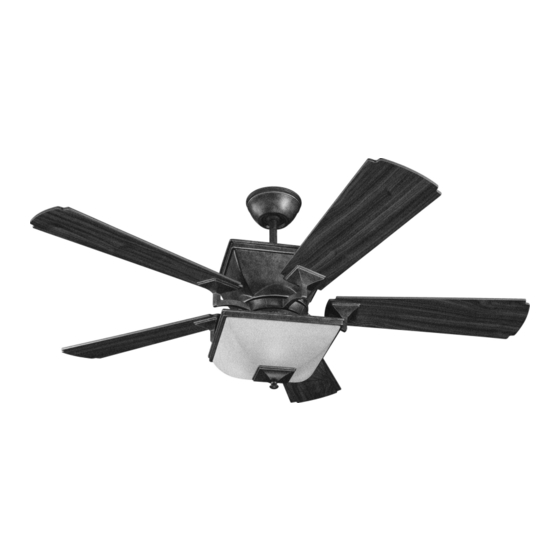
While websites like ManualsOnline.com often host installation guides, our resource material reveals these platforms sometimes require users to upload rather than download manuals, creating frustration for DIYers seeking immediate help. When searching for your Monte Carlo manual, use the exact model number in your search query rather than generic terms like “ceiling fan installation,” as the resource shows how mismatched model numbers lead to dead ends. The professional in our example initially provided a link that didn’t work because they “didn’t have your model number,” highlighting how crucial precise identification is for finding accurate documentation.
If generic manual sites fail you, visit Monte Carlo’s official website directly and navigate to their support or resources section—most manufacturers maintain digital archives of manuals organized by product line. Look for a “Product Support” or “Downloads” page where you can enter your specific model number to retrieve the correct installation guide. Unlike the Hampton Bay example in our resource where the customer had to contact support after failed online searches, Monte Carlo’s website typically offers more reliable access to documentation when you have the precise model information. Save or print the manual before starting your installation to avoid climbing up and down from your ladder searching for instructions.
Contact Manufacturer Support for Missing Parts

When essential components like ceiling covers or light kit parts are missing, as mentioned in our resource where the customer needed “a parts list since the cover that goes on the ceiling is missing,” direct contact with Monte Carlo’s customer service becomes necessary. Prepare all model identifiers before calling—just as the resource shows the customer providing “52-ANT / #0015972 / UPC#082392245634 / 2.2A264W”—to help representatives quickly locate replacement parts for your specific fan. Most manufacturers maintain parts diagrams in their manuals that show component names and part numbers, making it easier to request exact replacements.
Monte Carlo’s customer service can provide not only replacement parts but also clarify installation steps that may be confusing in the written manual. As demonstrated in our resource material where the professional offered “Hampton Bay Customer Service” information after online resources failed, direct manufacturer support often resolves documentation gaps that generic online searches cannot. Keep your proof of purchase handy, as some replacement parts may be covered under warranty, and note that light kits like the “52-ANT w/t” mentioned in the resource often require model-specific components that won’t interchange between different fan series.
Essential Pre-Installation Safety Checks
Before beginning any installation work, ensure you’ve identified all key components mentioned in your manual, including “the wiring harness, mounting brackets, and bulbs” as noted in our resource material. Verify that your electrical box is rated for ceiling fan support—standard light fixture boxes cannot handle the vibration and weight of operating fans, creating a serious fall hazard. The resource emphasizes this indirectly through the customer’s search for proper parts, as missing or incorrect mounting hardware compromises safety.
Most critically, “ensure power is off before connecting wires to avoid shorts,” as specifically stated in our resource material. Turn off the circuit at your breaker panel, not just the wall switch, and use a voltage tester to confirm no electricity flows to the wires you’ll be handling. This non-negotiable safety step prevents electrocution and should be your first action before unpacking any fan components. The resource’s focus on proper documentation connects directly to this safety requirement—without the correct manual, you might misidentify wire functions or skip critical grounding steps.
Follow Manual Instructions Precisely During Installation
Your installation success depends on how carefully you “follow the manual’s step-by-step instructions carefully to secure all connections and test functionality,” as emphasized in our resource material. Generic installation advice often fails because Monte Carlo integrates specific features like remote receivers or dual-fan/light wiring that require model-specific procedures. Pay special attention to torque specifications for mounting screws—over-tightening can strip threads in plastic components, while under-tightening leads to dangerous wobbling.
When connecting wires, match colors precisely as shown in your manual: typically black to black (hot), white to white (neutral), and green or bare copper to ground. If your fan includes a light kit like the “52-ANT w/t” referenced in our resource, note that blue wires often control lighting while black wires control the fan motor, allowing separate operation. After connections, gently tug each wire to verify security before tucking them into the electrical box, as loose connections cause arcing and potential fire hazards mentioned in safety guidelines.
Post-Installation Maintenance Requirements
Once installed, “regularly inspect wiring for wear to maintain performance,” as specifically advised in our resource material. Monthly visual checks of wire connections in the canopy and at the switch prevent minor issues from becoming major hazards. Look for signs of overheating like melted insulation or discoloration, which indicate overloaded circuits or loose connections needing immediate attention.
For optimal longevity, clean fan blades quarterly with a dry or slightly damp cloth to prevent dust buildup that creates imbalance and strain on the motor. Unlike some older models, Monte Carlo fans typically feature sealed bearings requiring no lubrication—adding oil as some generic guides suggest actually attracts dust and damages internal components over time. If you notice unusual noises or wobbling, consult your manual’s troubleshooting section before attempting repairs, as improper adjustments can void warranties or create safety risks.
Troubleshooting Common Documentation Gaps
When your manual lacks clarity on specific steps—a frequent issue highlighted by the customer in our resource who “visited that place before” without finding needed information—contact Monte Carlo support with precise questions about your model. For example, if wiring diagrams don’t match your home’s electrical setup, ask whether your model supports single-pole or dual-switch configurations before making connections. The resource shows how providing complete model identifiers helps support staff resolve these gaps efficiently.
For missing parts like the ceiling cover mentioned in our resource, request both the part number and installation sequence, as some components require specific assembly order. If your manual references tools or steps not included in the documentation, don’t guess—wait for clarification from the manufacturer. The professional in our resource demonstrated proper protocol by directing the customer to official support after initial online resources failed, underscoring that safety should always outweigh installation speed.
Installing your Monte Carlo ceiling fan correctly starts with obtaining the right documentation for your specific model. By following these steps to secure accurate manuals and parts, you’ll avoid the frustration experienced by the customer in our resource material who struggled to find proper documentation. Remember that when it comes to electrical installations, taking extra time to verify each step against your model-specific manual prevents dangerous mistakes and ensures years of reliable operation. With the correct resources in hand, you can approach your installation project with confidence, knowing you’ve prioritized safety and performance from the very first step.
Leave a Reply