Your ceiling fan suddenly stops working, leaving you sweltering in the summer heat. Before calling an electrician, check the cord assembly—most fan failures stem from damaged pull chains, frayed wiring, or loose connections that you can fix yourself. This ceiling fan cord repair guide reveals how to diagnose and solve 95% of common cord problems using basic tools and safety precautions. You’ll learn to identify dangerous fraying, replace broken pull chains, and secure failing connections that cause flickering lights or inconsistent speeds—restoring your fan’s operation in less than 60 minutes.
Ignoring ceiling fan cord issues creates serious risks: exposed wires can shock you during routine cleaning, while loose connections generate enough heat to ignite surrounding materials. The good news? Most repairs require only a screwdriver, wire connectors, and 30 minutes of your time. By mastering these techniques, you’ll avoid costly service calls and keep your home’s ventilation system running safely through peak seasons.
Diagnose Your Specific Cord Failure
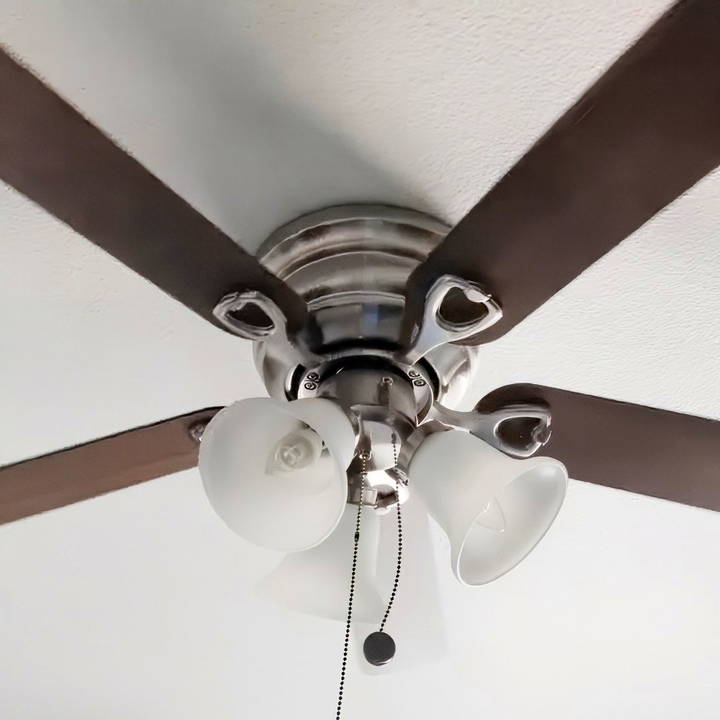
Ceiling fan cord problems fall into four distinct categories, each requiring targeted repair approaches. Identifying your exact failure mode saves time and prevents unnecessary part replacements.
Frayed or cut cords create immediate shock hazards through exposed copper conductors. Run your fingers along the entire cord length from ceiling to motor housing. Visible damage anywhere along the cord means immediate repair is essential—don’t risk continued use. Partial cuts cause intermittent operation where fan speeds change when you nudge the cord, while complete breaks result in total failure. If you spot melted insulation near connection points, replace the entire cord assembly since internal damage likely extends beyond visible areas.
Broken pull chains represent the most frequent repair need. Most failures occur at two critical points: where the chain connects to the internal switch paddle or at the handle attachment. Test your chain by gently pulling—it should move smoothly through its housing with distinct clicking sensations at each speed setting. If the chain pulls out completely or operates erratically, replacement is required. Never pull excessively on a stuck chain—this often damages the internal switch mechanism, turning a $5 repair into a $25 replacement job.
Loose wiring connections at the canopy junction box or motor housing cause flickering lights and inconsistent speeds. With power OFF, check all wire nuts by gently tugging each wire—they should resist movement. Discolored wire nuts or blackened insulation near connections indicate dangerous overheating that requires immediate attention. These failures develop gradually as fan vibration loosens terminal screws over time.
Critical Safety Steps Before Starting
Always disconnect power at the circuit breaker—not just the wall switch—before touching any fan components. Household voltage can stop your heart in milliseconds. Verify power disconnection using a non-contact voltage tester on both black and white wires at the canopy. Test your tester on a known live outlet first to confirm it’s working properly.
Essential Protective Gear Checklist
- Safety glasses to shield eyes from falling debris
- Rubber-soled shoes for electrical insulation
- Non-conductive ladder with helper stabilization
- Class C fire extinguisher within arm’s reach
Never work on fans alone—have someone nearby to cut power and assist in emergencies. If you smell burning insulation or see melted components, stop work immediately and consult a licensed electrician. These signs indicate serious underlying issues beyond DIY repair capabilities.
Repair Broken Pull Chains in 15 Minutes
Most pull chain failures involve handle detachment or chain breakage at connection points—fixable with basic tools and no electrical expertise.
Replace a Detached Pull Chain Handle
- Turn OFF power at the breaker and verify with voltage tester
- Remove canopy cover to access the switch housing
- Unscrew the cylindrical switch housing from the fan body
- Thread the new chain through the housing and attach to the internal paddle using the same method as original (typically a knot or crimp)
- Pull firmly to test attachment security before reassembly
- Reinstall housing and canopy, then test through all speed positions
Pro tip: Apply a drop of clear nail polish to the chain knot before insertion—this prevents unraveling and extends handle life significantly.
Fix a Stuck Pull Chain Mechanism
When chains become lodged in the housing, debris or misalignment is usually the culprit. Access the switch housing and:
– Clear dust buildup with compressed air
– Lubricate the chain path with graphite powder (never oil)
– Ensure the chain’s exit hole aligns properly with the housing channel
– Verify the internal paddle moves freely when manually manipulated
Replace Damaged Fan Cords Safely

Complete cord replacement becomes necessary when damage extends beyond connection points or when fraying compromises insulation integrity.
Full Cord Replacement Procedure
- Disconnect power at breaker and verify with tester
- Remove canopy and photograph all wire connections
- Disconnect wires at both ceiling junction box and motor housing
- Pull old cord free from downrod tube or mounting channels
- Thread new cord through identical path, leaving 6 inches slack at each end
- Reconnect wires matching original color coding (black to black, white to white)
- Secure connections with new wire nuts and electrical tape
- Test continuity with multimeter before restoring power
Critical warning: Never splice cords within downrod tubes—this creates dangerous pinch points and violates electrical codes. Either replace the entire assembly or make splices only within accessible junction boxes.
Repair Loose Wiring Connections
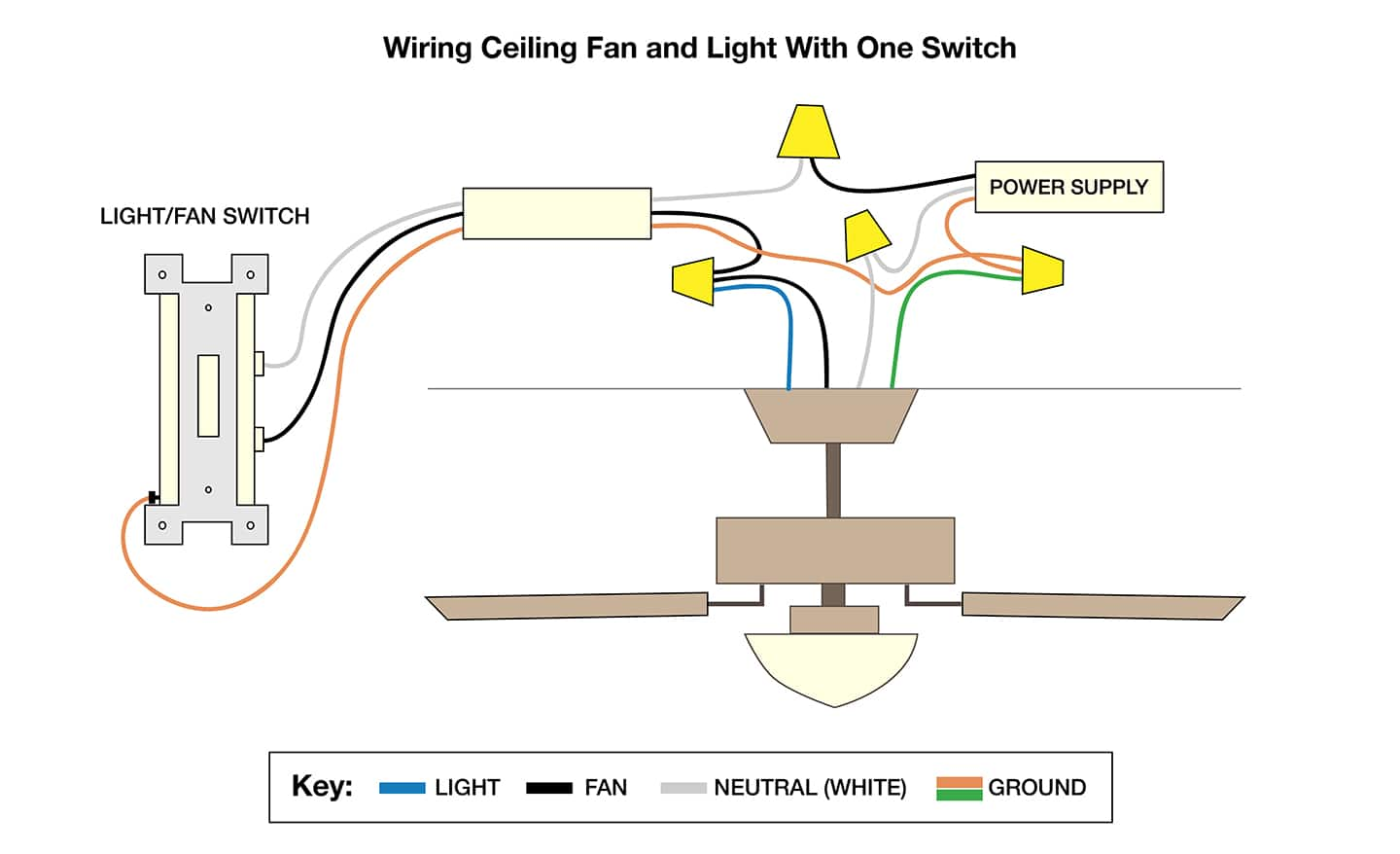
Loose connections cause 70% of intermittent fan problems and are easily corrected with proper technique.
Secure Canopy Junction Box Connections
With power OFF:
– Check all wire nuts by gently tugging each conductor
– Replace any discolored or cracked wire nuts
– Strip 3/4 inch of fresh insulation from wire ends
– Twist wires together clockwise before applying new connector
– Verify no copper strands protrude from wire nuts
Time-saving shortcut: Use push-in wire connectors instead of traditional wire nuts—they save 60% of connection time while providing superior vibration resistance in fan applications.
Test Repairs Before Final Assembly
Skipping verification steps risks fire hazards and repeated disassembly. Always perform these checks:
- With power still OFF, test continuity through all repaired circuits
- Verify switches show open circuit in OFF position and near-zero resistance when ON
- Check for shorts between conductors and ground (should read infinite resistance)
- Gently shake connections to ensure no intermittent breaks
- Restore power and test all speed settings for consistent operation
Red flag: If the fan hums but won’t start after repair, your capacitor likely failed—this common issue requires separate replacement but takes only 10 minutes.
Prevent Future Cord Failures
Extend your fan’s lifespan with these proactive measures:
- Annual inspections: Check cords for fraying during spring cleaning
- Connection tightening: Every 6 months, verify terminal screws are secure
- Environmental protection: In kitchens, wipe cords monthly to prevent grease buildup
- Vibration control: Balance blades to minimize connection stress
Pro maintenance tip: When replacing cords, use 18-gauge stranded wire instead of solid core—its flexibility withstands fan vibration 3 times longer. Keep spare pull chains and capacitors on hand for instant repairs when failures occur.
Your ceiling fan cord repair journey ends with restored comfort and newfound confidence in handling household electrical systems. By focusing on specific failure points—whether replacing a $3 pull chain or securing dangerous loose connections—you’ve eliminated immediate hazards while extending your fan’s operational life. Remember that consistent maintenance prevents 80% of cord failures, so schedule those twice-yearly inspections to catch problems early. When you hear that familiar hum and feel the cooling breeze, you’ll appreciate the satisfaction of solving what seemed like a complex problem with straightforward, safe techniques. Keep this guide handy for future reference—you’ve earned the right to handle your next fan repair with professional-level expertise.
Leave a Reply