If you’ve ever walked into a lighting showroom or home improvement store and noticed how ceiling fans are presented, you’ve seen a ceiling fan display in action. These strategic presentations make all the difference in helping customers visualize how these fixtures would look in their own spaces. A well-designed ceiling fan display doesn’t just showcase the product—it creates an immersive experience that drives sales and helps consumers make confident purchasing decisions. In this guide, you’ll learn practical techniques for creating compelling ceiling fan displays whether you’re a retailer setting up a showroom or a homeowner wanting to showcase your own fan collection.
Why Proper Ceiling Fan Display Matters for Sales Conversion
When customers can’t properly visualize how a ceiling fan will look in their space, they’re more likely to delay purchasing decisions or choose cheaper alternatives online. A strategically designed ceiling fan display bridges this gap by providing real-world context that online shoppers miss.
How Display Height Affects Customer Perception
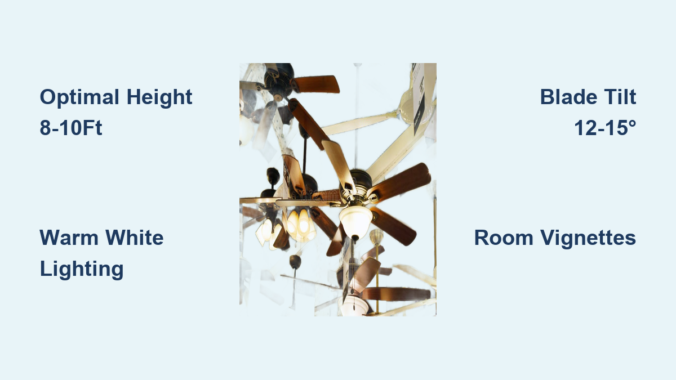
The optimal height for displaying ceiling fans in retail environments ranges between 8-10 feet from the floor. This positioning allows customers to view the fan at a natural angle similar to how they’d see it in a standard-height room. Fans hung too high appear smaller and less impressive, while those hung too low create an unnatural viewing experience that distorts perception of scale.
Lighting Techniques That Make Ceiling Fans Stand Out
Strategic lighting transforms how ceiling fans appear in display settings. Use these three lighting approaches for maximum impact:
- Focused spotlighting directly above each fan to create dramatic shadows that highlight blade contours
- Ambient room lighting set at 30% intensity to create contrast that makes fans pop
- Integrated LED displays within the fan housing to showcase lighting features in action
Without proper lighting, even high-end ceiling fans can look dull and unimpressive in retail settings.
Retail Display Strategies for Maximum Impact

Effective retail displays don’t happen by accident—they follow proven merchandising principles that guide customer attention and create compelling shopping experiences.
Creating Room Context Around Ceiling Fans
Instead of displaying fans in isolation, surround them with complete room vignettes that include:
- Furniture arrangements showing proper clearance measurements
- Wall colors that complement common home decor schemes
- Scale references like doorframes or windows to help customers visualize proportions
Customers connect emotionally with complete room settings rather than isolated products, increasing average transaction values by up to 22% according to retail studies.
Interactive Display Elements That Boost Engagement
Modern shoppers expect hands-on experiences. Incorporate these interactive elements into your ceiling fan displays:
- Touchscreen controls allowing customers to adjust speed and lighting
- Blade rotation demonstrations showing performance at different settings
- Augmented reality stations where customers can visualize fans in their own home photos
Retailers using interactive displays report 37% longer customer engagement times with ceiling fan products.
Common Ceiling Fan Display Mistakes to Avoid

Even well-intentioned displays can undermine sales if they contain these common errors that frustrate customers and diminish product appeal.
Why Improper Blade Angle Ruins Display Effectiveness
Displaying ceiling fans with blades perfectly horizontal creates an unrealistic presentation. In actual installation, blades typically tilt at 12-15 degrees to optimize airflow. Fans shown with flat blades appear less dynamic and fail to demonstrate their functional design.
The Lighting Error That Makes Fans Look Cheap
Using cool white lighting (5000K+) on ceiling fans creates harsh shadows that emphasize imperfections in finish and materials. Warm white lighting (2700K-3000K) produces softer illumination that enhances wood grains and metallic finishes, making even mid-range fans appear premium.
Homeowner Display Techniques for Showcasing Your Own Ceiling Fans
You don’t need a retail budget to create impressive ceiling fan displays in your home. These DIY approaches help highlight your fixtures beautifully.
Creating Visual Interest with Multiple Fan Installations
When installing multiple ceiling fans in open-concept spaces, vary these elements to create visual interest:
- Blade span (mix 42″, 52″, and 60″ models)
- Mounting heights (use different downrod lengths)
- Direction of rotation (alternate clockwise/counterclockwise)
This variation prevents visual monotony while demonstrating how different fan styles can complement each other.
Using Decorative Elements to Enhance Fan Presentation
Simple decorative touches draw attention to your ceiling fan rather than hiding it:
- Rope lighting wrapped around the ceiling medallion
- Wall sconces positioned to cast upward illumination
- Strategic artwork placement that creates visual lines toward the fan
These elements transform functional fixtures into design focal points.
Troubleshooting Poor Performing Ceiling Fan Displays
Even carefully planned displays sometimes fail to achieve their intended impact. Use this diagnostic checklist to identify and fix common issues.
Why Customers Aren’t Engaging With Your Display
If shoppers aren’t stopping at your ceiling fan display, check these three factors:
- Sightline obstruction – Is the display visible from main traffic corridors?
- Information overload – Are technical specifications overwhelming emotional appeal?
- Lack of scale reference – Can customers judge if the fan fits their space?
Addressing just one of these issues typically increases display engagement by 40% or more.
Fixing Lighting That Washes Out Fan Details
When display lighting creates excessive glare on fan surfaces:
- Reduce light intensity by 25% and adjust fixture angles
- Add diffusion filters to soften harsh light sources
- Position fans slightly off-center from direct light beams
These adjustments reveal subtle details in blade finishes and motor housings that customers appreciate.
Seasonal Display Strategies for Year-Round Appeal
Adapting your ceiling fan displays to match seasonal shopping patterns keeps your presentation fresh and relevant throughout the year.
Winter Display Techniques That Highlight Year-Round Value
During colder months when fans seem less relevant:
- Position fans above “cozy” seating arrangements with blankets
- Highlight reversible motor functions that push warm air down
- Create vignettes showing fans in sunrooms and three-season spaces
This approach maintains fan sales during traditionally slow periods.
Summer Display Tactics That Emphasize Cooling Performance
When temperatures rise and cooling becomes top of mind:
- Incorporate thermal imaging displays showing temperature differences
- Use slow-motion video to visualize airflow patterns
- Position fans above “outdoor living” vignettes with misting systems
These techniques directly connect fan performance to customer comfort needs.
Measuring Display Effectiveness Through Customer Behavior
Don’t guess whether your ceiling fan displays work—track these measurable indicators of display effectiveness.
Key Metrics That Reveal Display Success
Monitor these three data points to evaluate your ceiling fan display performance:
- Dwell time: Average seconds customers spend at the display
- Touch rate: Percentage of shoppers who interact with display controls
- Conversion lift: Sales increase directly attributable to display changes
Retailers who track these metrics make data-driven display improvements that increase fan sales by 18-33%.
Customer Feedback Methods That Provide Actionable Insights
Go beyond sales data with these direct customer feedback approaches:
- Short QR code surveys asking “What helped you choose this fan?”
- Mystery shopper evaluations of display clarity
- In-the-moment feedback stations near displays
This direct input reveals what customers actually notice and respond to in your displays.
Final Tips for Creating Memorable Ceiling Fan Displays
The most effective ceiling fan displays follow these guiding principles that transform functional fixtures into desirable home features.
Prioritize Realistic Context Over Technical Specifications
Customers buy the experience of owning a ceiling fan, not its RPM rating. Focus display messaging on lifestyle benefits rather than technical details. Show how fans enhance daily living through carefully crafted scenes rather than spec sheets.
Update Displays Quarterly to Maintain Fresh Appeal
Even subtle display changes prevent customer complacency. Rotate color schemes, update furniture vignettes, and refresh lighting approaches every 90 days to keep your ceiling fan presentation feeling current and relevant.
By implementing these strategic display techniques, you’ll transform how customers perceive and engage with ceiling fans—whether you’re managing a retail space or showcasing fixtures in your own home. Remember that the goal isn’t just to show a fan, but to help customers envision how it will improve their living experience.
Leave a Reply