That warm sensation when you touch your ceiling fan housing during operation likely represents completely normal behavior—but learning to distinguish between standard heat generation and dangerous ceiling fan motor overheating could prevent costly repairs or potential fire hazards. All AC ceiling fan motors naturally produce heat through inherent electromagnetic processes, and this warmth transfers to the housing where it dissipates into surrounding air. However, understanding the difference between normal operating temperatures and problematic overheating symptoms protects both your safety and your investment in quality home fixtures.
This guide walks you through everything you need to know about ceiling fan motor overheating, from recognizing normal warmth to identifying warning signs that demand immediate attention. You’ll discover why smaller fan housings feel hotter, how continuous operation affects temperature accumulation, and what certification standards tell you about safe operating ranges. By the end, you’ll possess the knowledge to diagnose potential problems before they escalate into expensive replacements or safety hazards.
Why Your Ceiling Fan Motor Gets Hot During Normal Operation
All AC ceiling fan motors operate at temperatures that feel warm to the touch during standard function—this characteristic stems directly from the electromagnetic processes driving motor operation. Electrical resistance and mechanical friction generate heat continuously as the fan runs, and this thermal energy transfers progressively to the fan housing before dissipating into surrounding air. Understanding this natural heat generation process prevents unnecessary panic when your fan feels warm during typical use.
The relationship between motor heat generation and housing temperature follows predictable physics principles. Smaller fan housings concentrate thermal energy more intensely because they possess less material mass to absorb and distribute heat effectively. This concentration effect means compact ceiling fan designs typically feel hotter to the touch than larger models with more substantial housings, even when both units operate normally and produce equivalent amounts of heat. If your ceiling fan feels consistently warm during operation, this alone does not indicate malfunction when temperatures remain stable.
Industry testing establishes safety thresholds that all certified fans must meet before reaching consumers. Hunter and Casablanca fans, for example, have successfully passed the product temperature standards set by ETL, the authoritative agency certifying ceiling fans for commercial sale. These standards encompass immediate safety considerations and long-term durability requirements that manufacturers must satisfy. When your ceiling fan carries such certification, its thermal characteristics have been independently verified as falling within safe operating ranges for residential use.
Critical Warning Signs Your Fan Is Overheating Dangerously
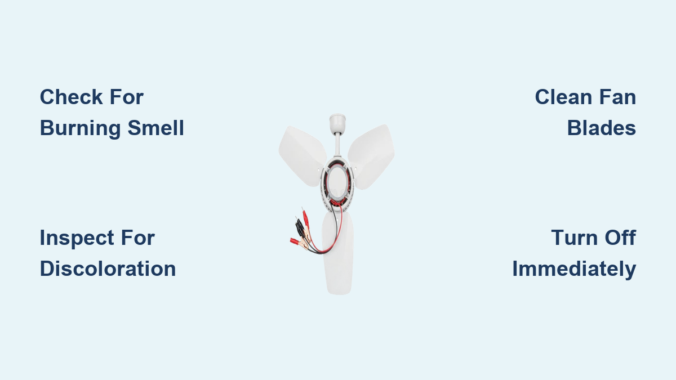
Distinguishing between normal warmth and problematic overheating requires attention to specific indicators that signal genuine motor stress. Normal operating warmth should feel consistent rather than escalating dramatically over time, should never produce burning or unusual odors, and must not cause visible damage or discoloration to the fan housing or surrounding ceiling materials. The fan should continue operating smoothly without unusual noises, vibrations, or performance changes accompanying the warmth.
How to Identify Dangerous Temperature Increases
Warning signs suggesting actual overheating problems include progressive temperature increases beyond what the fan exhibited when new. If your ceiling fan now feels significantly hotter than it did when first installed, this escalation indicates developing issues requiring investigation. Use these checkpoints to assess your situation:
- Temperature comparison: Does the housing feel noticeably hotter than when the fan was new?
- Odor detection: Are you noticing burning smells or unusual chemical odors?
- Visual inspection: Check for discoloration, melting, or warping of plastic components
- Operational changes: Is the fan shutting off unexpectedly or running slower than before?
- Duration impact: Does the heat build progressively the longer the fan runs?
Visible smoke or melting components represent immediate safety hazards demanding prompt attention, while burning smells signal insulation stress that could precede motor failure. Intermittent operation or automatic shutdowns often indicate thermal protection mechanisms activating in response to dangerous temperatures, and significant performance degradation accompanying elevated heat suggests mechanical or electrical problems advancing toward complete failure.
Electrical and Mechanical Causes of Ceiling Fan Motor Overheating

Several factors contribute to ceiling fan motor overheating beyond the heat all motors naturally generate during operation. Identifying the specific cause determines whether you can address the problem yourself or need professional assistance.
Electrical Issues That Create Excessive Heat
Electrical problems rank among the most frequent culprits behind dangerous overheating:
- Voltage fluctuations that stress motor windings beyond their design tolerance
- Loose or corroded connections that increase electrical resistance and heat generation at contact points
- Undersized circuit wiring that cannot handle the electrical load without excessive resistance buildup
- Faulty speed controllers that send inconsistent power to the motor
Mechanical Problems That Generate Excessive Heat
Mechanical issues also drive dangerous heat production in ceiling fans:
- Worn bearings that create friction converting mechanical energy directly into heat
- Bent fan blades that upset rotational balance, forcing the motor to work harder
- Debris accumulation on blades that forces similar compensatory operation
- Loose components that create vibration and additional resistance
Small Housing Heat Concentration Explained
The physical size and design of your ceiling fan housing directly influences how heat transfer manifests to users. Smaller fan housings concentrate thermal energy more intensely because they possess reduced thermal mass and limited surface area for heat dissipation. This concentration effect explains why compact ceiling fan designs may feel noticeably hotter to the touch than larger models with more substantial housings, even when both units operate normally.
Users with smaller or more compact ceiling fan models should expect more pronounced warmth as a standard characteristic rather than an indication of problems. The physics governing heat transfer simply dictates that materials with less mass cannot absorb and distribute thermal energy as effectively as heavier constructions. This explains why some homeowners notice their compact bedroom fan feels significantly warmer than a larger model in their living room, despite both functioning normally.
Continuous Operation Versus Intermittent Use
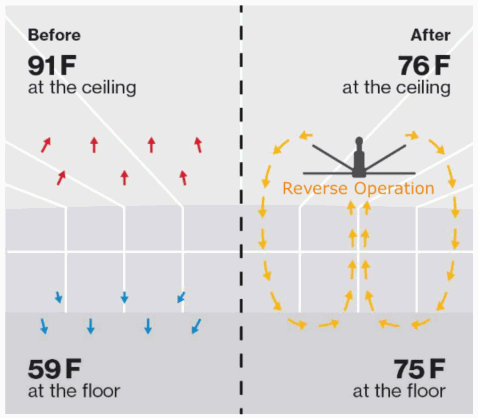
How you operate your ceiling fan significantly impacts its thermal behavior and long-term health. Fans running for extended periods without cycling off allow heat to build steadily, potentially reaching higher equilibrium temperatures than units that operate intermittently. Continuous operation prevents the natural cooling periods that give motors opportunity to dissipate accumulated heat and return toward baseline temperatures.
The ambient environmental temperature, ceiling insulation conditions, and specific motor design all contribute to final temperatures users perceive when touching fan housings during operation. Fans in well-ventilated locations with good air circulation around the motor housing dissipate heat more effectively than those mounted in enclosed fixtures or surrounded by dense insulation that traps heat. Summer months with higher ambient temperatures add to thermal burden, pushing motor operating temperatures higher than winter conditions would produce.
ETL Certification Standards You Should Know
ETL certification represents one of the recognized standards for ceiling fan safety and performance testing in North American markets, providing consumers with independent verification that products meet established safety protocols. Products bearing ETL certification have undergone rigorous evaluation verifying compliance with thermal performance requirements ensuring motors do not exceed dangerous temperature thresholds during operation.
The certification process evaluates multiple thermal performance aspects, including maximum operating temperatures under various load conditions, effectiveness of thermal protection devices when present, and overall thermal management design of motor and housing assemblies. When purchasing new ceiling fans or evaluating existing installations, checking for ETL certification confirms the product has been independently verified for safe thermal operation.
Immediate Actions When You Suspect Overheating
If your ceiling fan exhibits warning signs of dangerous overheating, take these immediate steps:
- Turn off the fan immediately at the wall switch
- Allow the motor to cool completely before further inspection
- Check for visible damage including discoloration, melting, or burning smells
- Verify proper installation including secure mounting and correct wiring
- Clean the fan thoroughly removing dust and debris from blades and motor housing
For persistent overheating issues after basic troubleshooting, professional inspection becomes necessary to diagnose less apparent electrical or mechanical problems. Ignoring warning signs risks complete motor failure, potential fire hazards, and more expensive emergency repairs.
Preventative Maintenance That Extends Fan Life
Proactive maintenance practices significantly extend ceiling fan motor lifespan while maintaining safe operating temperatures throughout the fan’s service life:
- Regular cleaning prevents debris accumulation that insulates motors and disrupts cooling
- Lubrication of bearings according to manufacturer recommendations reduces friction heat
- Proper installation with adequate ventilation around the motor housing prevents heat trapping
- Appropriate cycling rather than continuous running provides cooling intervals
- Prompt attention to electrical issues prevents progressive thermal degradation
These simple practices maintain safe operating temperatures while maximizing the service life your ceiling fan motor can provide—often extending it well beyond the manufacturer’s expected lifespan.
When to Call a Professional for Ceiling Fan Motor Overheating
Determining when ceiling fan motor overheating requires professional intervention versus DIY troubleshooting protects both your safety and your fan’s longevity. Simple maintenance tasks including cleaning, visual inspection, and basic electrical connection checks suit most homeowners comfortable working with household electrical fixtures.
Professional service becomes necessary when troubleshooting reveals internal mechanical problems, when symptoms persist after basic interventions, or when the fan exhibits advanced warning signs including burning smells, visible damage, or intermittent operation. Certified electricians and fan technicians possess specialized diagnostic equipment identifying electrical faults invisible to visual inspection, along with experience recognizing subtle symptoms indicating developing problems before they escalate.
Electrical work beyond basic maintenance tasks carries inherent shock and fire hazards requiring appropriate expertise and safety precautions. When in doubt about your capability to safely address ceiling fan issues, professional consultation provides peace of mind while ensuring proper diagnosis and repair. The cost of professional service typically justifies itself through prevention of more expensive emergency repairs or premature fan replacement resulting from improper DIY interventions.
Key Takeaways: Ceiling fan motor overheating encompasses both normal heat generation inherent to motor operation and concerning symptoms indicating developing problems. Normal warmth feels consistent, produces no odors, and accompanies smooth operation—problematic overheating shows progressive temperature increases, burning smells, and performance degradation. Smaller housings concentrate heat more intensely, while continuous operation allows greater heat accumulation than intermittent use. ETL certification confirms thermal characteristics fall within verified safe ranges. Regular cleaning, proper installation, appropriate cycling, and prompt attention to warning signs maintain safe operation while extending motor service life significantly.
Leave a Reply