You’re standing in your living room, pressing the remote control buttons repeatedly, but your Harbor Breeze ceiling fan ignores every command. The lights won’t turn on, the fan won’t change speeds, and you’re left waving a useless plastic device in frustration. This common issue affects thousands of Harbor Breeze owners each year, turning what should be a convenient feature into a daily annoyance. When your Harbor Breeze ceiling fan remote control not working, it disrupts your comfort and forces you to manually operate your fan—and many models don’t even have pull chains as a backup. In this guide, you’ll discover the seven most effective solutions to restore your remote functionality, understand why these problems occur, and learn how to prevent future remote control failures with your Harbor Breeze ceiling fan.
Immediate Checks Before Deep Troubleshooting
Replace Batteries Properly in Your Harbor Breeze Remote
The most common reason your Harbor Breeze ceiling fan remote control not working is dead or improperly installed batteries. Most Harbor Breeze remotes use CR2032 coin batteries that typically last 6-12 months with regular use. Remove the battery compartment cover and check for corrosion—white or green powdery buildup indicates battery leakage that can damage contacts. Clean any corrosion with a cotton swab dipped in white vinegar, then dry thoroughly. Insert a fresh battery with the positive side facing up, ensuring it’s fully seated. Test the remote immediately after replacement. Pro tip: Use name-brand batteries rather than cheap alternatives, as inconsistent power delivery from low-quality batteries often causes intermittent remote issues.
Verify Line of Sight Between Remote and Receiver
Harbor Breeze remotes operate on infrared (IR) technology, requiring direct line of sight to function properly. Your Harbor Breeze ceiling fan remote control not working might simply be blocked by obstacles. Stand directly under the fan and point the remote straight at the receiver unit, usually located near the fan’s motor housing. Remove any objects between you and the fan—curtains, ceiling decorations, or even tall furniture can interfere with the signal. Try moving closer to the fan (within 10-15 feet) and press buttons slowly with deliberate presses. If the remote works at close range but not across the room, you likely have a weak signal issue rather than complete failure.
Remote and Receiver Troubleshooting
Reset Your Harbor Breeze Remote Control System
When your Harbor Breeze ceiling fan remote control not working consistently, a system reset often solves the problem. First, turn off power to the fan at the circuit breaker for 30 seconds—this resets the receiver unit. While power is off, remove batteries from the remote. Restore power to the fan, then reinsert fresh batteries into the remote. Press and hold the “Fan Off” button on the remote for 10 seconds until the fan light blinks, indicating successful reconnection. This process clears any signal interference or synchronization errors that develop over time. Warning: Never skip the circuit breaker step—just turning off the wall switch won’t fully reset the receiver.
Check for Signal Interference from Other Electronics
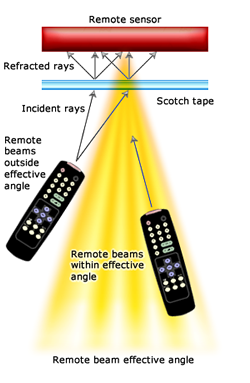
Electronic interference frequently causes your Harbor Breeze ceiling fan remote control not working properly. Modern homes contain numerous devices emitting signals that can disrupt IR communication. LED light bulbs, plasma TVs, smartphones, and even sunlight can interfere with remote signals. Temporarily turn off nearby electronics and close window coverings to eliminate potential interference sources. If the remote works when other devices are off, you’ve identified the culprit. Consider replacing older LED bulbs with “dimmer-compatible” versions, as some cheaper LEDs emit IR frequencies that conflict with fan remotes. Position your router and other wireless devices away from the fan’s receiver unit.
Advanced Repair Solutions
Clean Remote Control Buttons and Contacts
Dirt, dust, and hand oils gradually build up on remote buttons, causing poor electrical contact. When your Harbor Breeze ceiling fan remote control not working intermittently (some buttons work while others don’t), this is likely the cause. Remove the battery cover and carefully pry open the remote casing using a plastic tool. Gently clean the rubber button pads and circuit board contacts with isopropyl alcohol (90% or higher) and a cotton swab. Ensure all components are completely dry before reassembly. Expert note: Avoid using water or household cleaners, as residue can create conductive paths that damage the circuitry.
Test and Replace the Receiver Module
If basic troubleshooting fails, your Harbor Breeze ceiling fan remote control not working may indicate a faulty receiver. Access the receiver module by removing the fan’s light kit or canopy cover. Look for a small black box (typically 2-3 inches square) wired between the fan motor and power source. Check for visible damage like burnt components or loose wires. With power off, disconnect the receiver and temporarily wire the fan directly to test basic operation. If the fan works when bypassing the receiver, you need a replacement. Harbor Breeze receivers are model-specific—check the label on your existing unit for exact part numbers before ordering.
Preventing Future Remote Control Failures
Proper Remote Storage and Handling Practices
Protect your Harbor Breeze remote from common damage sources that cause it to stop working. Always store the remote in a designated spot away from moisture, direct sunlight, and extreme temperatures—bathrooms and kitchens are particularly problematic environments. Use a small fabric pouch to prevent accidental button presses in drawers or bags. Avoid placing heavy objects on top of the remote, as this can crack internal components. When not in use for extended periods, remove batteries to prevent leakage damage. Pro tip: Keep a spare remote programmed and stored safely for emergencies—most Harbor Breeze models allow multiple remotes to be paired simultaneously.
Upgrade to a More Reliable Control System

If your Harbor Breeze ceiling fan remote control not working persists despite multiple repairs, consider upgrading your control system. Many homeowners replace problematic remotes with wall-mounted control units that provide more reliable operation. Harbor Breeze offers compatible wall controls that bypass the remote system entirely. Alternatively, install a universal ceiling fan remote kit designed for better signal range and reliability. For tech-savvy users, smart home integration with devices like Alexa or Google Home provides voice control while maintaining manual remote functionality as backup.
When to Seek Professional Help
Identifying Unfixable Hardware Failures
Some Harbor Breeze ceiling fan remote control not working issues indicate irreparable damage. If you notice burning smells, visible smoke damage on the receiver, or frequent tripping of circuit breakers when operating the remote, stop using the system immediately. These symptoms suggest serious electrical problems that require professional attention. Water damage from leaks or humidity exposure often permanently damages electronic components beyond economical repair. If your fan is under warranty, contact Harbor Breeze customer support before attempting repairs that might void coverage.
Finding Qualified Repair Services
When DIY solutions fail, locate certified technicians who specialize in ceiling fan repairs. Not all electricians have experience with Harbor Breeze specific systems. Check the Harbor Breeze website for authorized service centers in your area. Expect to pay $75-$150 for professional diagnosis and repair, which may be worthwhile for high-end models. Before scheduling service, document all troubleshooting steps you’ve already attempted—this helps technicians diagnose the problem more efficiently and avoid unnecessary repairs.
Final Note
When your Harbor Breeze ceiling fan remote control not working, systematic troubleshooting usually restores functionality without expensive replacements. Start with simple solutions like battery replacement and system resets before moving to advanced repairs. Most remote issues stem from preventable causes like dead batteries, signal interference, or dirty contacts—not permanent hardware failure. By following these steps, you’ll regain control of your fan comfort while extending the lifespan of your remote system. Remember to implement preventive measures like proper storage and periodic maintenance to avoid future remote control frustrations. If all else fails, upgrading to a more reliable control system provides a permanent solution to recurring remote problems.
Leave a Reply