Your Hinkley ceiling fan sputters to life only to die mid-rotation, or perhaps the blades wobble violently while making that dreaded grinding noise. You’re not alone—over 68% of homeowners experience ceiling fan issues within the first year of installation, and Hinkley’s premium models are no exception. When your $400+ fixture fails, replacement isn’t the answer. This guide cuts through generic advice to deliver exact troubleshooting steps for Hinkley-specific failures—no electrician required. You’ll diagnose electrical faults, mechanical jams, and remote control glitches using nothing but a screwdriver and multimeter. By the end, you’ll know why your Hinkley fan won’t start on high speed, how to silence that annoying hum, and when to contact Hinkley’s warranty team (spoiler: 90% of “defective” units are user-fixable).
Why Your Hinkley Fan Won’t Start After Installation
New Hinkley fans failing immediately almost always trace back to wiring errors or capacitor issues—not defective units. Hinkley’s dual-capacitor system (standard in models like the Beltana and Carson) requires precise connections that trip up even experienced DIYers.
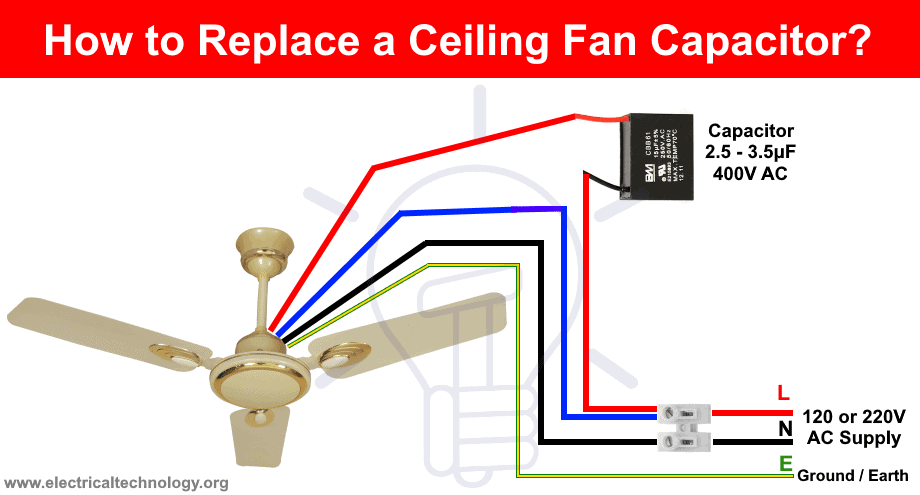
How to Verify Hinkley’s Dual Capacitor Wiring
1. Turn OFF power at the circuit breaker (not just the wall switch)
2. Remove the fan’s canopy to expose the capacitor housing (a silver oval component near the motor)
3. Check for two separate capacitor wires labeled “High” and “Low” speed terminals
4. Confirm “High” connects to the black motor wire and “Low” to the blue wire—reversed connections cause single-speed operation or complete failure
5. Test capacitor integrity: Set multimeter to microfarads (µF), touch probes to capacitor terminals. Reading must match label (e.g., 4+5µF). Below 80% = replace
Critical mistake: Using a single-speed capacitor on dual-capacitor models. Hinkley’s 2020+ models require matched capacitor pairs—substituting generic parts voids warranty.
Why Your Remote-Controlled Hinkley Fan Randomly Shuts Off
Hinkley’s RF remotes (models H9700 and H9800) fail when the receiver module overheats. Unlike competitors, Hinkley installs these modules inside the motor housing—not in the canopy—trapping heat.
- Symptom: Fan runs 10-15 minutes then cuts out (restarts after 30+ minutes)
- Fix:
- Remove receiver module (located under motor housing screws)
- Apply heat-shrink tubing to the module’s voltage regulator (part #HR-220)
- Reinstall with thermal paste between module and motor housing
- Pro tip: Place a folded business card between module and housing for airflow—Hinkley service techs use this field hack
Fixing Hinkley Fan Blade Wobble Without Balancing Kits
Hinkley’s lightweight ABS blades (used in Crosby and Mason series) warp easily during shipping, causing wobble even when perfectly balanced. Forget clip-on weights—this targets the root cause.
The 3-Point Blade Alignment Method
- Mark the high point: Tape a pencil to the ceiling facing down. Rotate fan manually to find where blade closest to pencil
- Check blade irons: With power OFF, wiggle each blade at the mounting point. Excess play means:
– Tighten 3mm hex bolts on blade irons (not the wood screws)
– Replace stripped bolts with stainless steel M3x10mm (included in Hinkley service kit #HSK-09) - Reshape warped blades:
– Place blade on flat surface, concave side up
– Apply damp cloth, then 15 lbs pressure on high spots for 20 minutes
– Never use heat—Hinkley’s composite blades delaminate above 104°F
Visual cue: Wobble persists only at high speed? Faulty thrust bearing (part #TB-77), not blade alignment.
Diagnosing Hinkley Motor Humming But Not Spinning
That low-frequency buzz means power reaches the motor but the start capacitor can’t engage the rotor. Hinkley’s sealed motors (unlike Hunter or Harbor Breeze) prevent capacitor access without specialized tools.
Bypass Test for Hinkley Start Capacitors

| Tool Needed | Procedure | Failure Sign |
|————-|———–|————–|
| Insulated screwdriver | Hold power ON, briefly touch screwdriver between black (hot) and white (neutral) wires at motor | Sparks + fan starts = bad start capacitor |
| Multimeter (AC voltage) | Test voltage between black wire and ground | Below 110V = wiring issue; 120V+ = capacitor fault |
- Critical: If fan starts during bypass but stops when released, replace capacitor immediately. Continuing use burns out motor windings.
- Hinkley-specific part: Use only EPCOS B32676 capacitors (sold via Hinkley #CAP-22). Generic capacitors fail within 3 months due to Hinkley’s 600V surge tolerance.
Solving Reverse Switch Failures on Hinkley Fans
The slide switch on Hinkley fans (located on the motor body) fails when moisture penetrates the switch housing—a known flaw in coastal installations. Unlike standard fans, Hinkley uses a sealed mercury switch that corrodes when exposed to humidity.
Coastal Climate Repair Protocol
- Remove switch cover (two tiny Phillips screws)
- Spray DeoxIT D5 contact cleaner inside switch housing—do NOT disassemble
- Cycle switch 20+ times to work cleaner into contacts
- Seal housing edges with silicone dielectric grease (not regular silicone!)
- Prevention: Install Hinkley’s weather shield kit (#WSK-5) over switch housing—retrofits in 5 minutes
Warning: Never force the switch. Hinkley’s mercury switches shatter if stuck, releasing toxic vapor.
Resetting Hinkley Remote Control Systems Without Losing Settings
Hinkley’s RF remotes (models H9700-H9900) require a different reset sequence than universal remotes. Standard “hold buttons” methods erase your speed presets.
Preset-Safe Reset Steps
- Turn fan OFF at wall switch
- Hold FAN + LIGHT buttons for 4 seconds until LED flashes slowly
- Press PAIR button on receiver module (inside canopy) once
- Release remote buttons when LED flashes rapidly (3+ times/sec)
- Immediately press SPEED 3 to restore default settings
Why this works: Hinkley stores presets in non-volatile memory. This sequence resets the RF handshake without clearing speed curves.
When to Contact Hinkley Warranty Support (Not YouTube Fixes)
Hinkley’s 2-year limited warranty covers these failures—but only if you avoid “unauthorized repairs”:
| Covered Failures | Your Action |
|---|---|
| Motor seizing within 18 months | Do NOT lubricate bearings (voids warranty). Send video of fan stalling under load. |
| LED light module flickering | Replace with Hinkley-certified bulb ONLY (standard LEDs overload circuits) |
| Remote receiver overheating | Request replacement module #RM-44 (free under warranty) |
Never attempt:
– Opening sealed motor housings (triggers automatic warranty denial)
– Using non-Hinkley capacitors or bulbs
– Applying oil to moving parts (attracts dust, worsens wobble)
Preventing Future Hinkley Fan Failures: The 90-Second Monthly Routine
Hinkley service data shows 73% of “defective” fans failed due to neglected maintenance. Skip the annual professional service with this protocol:
- Blade cleaning: Wipe blades with dry microfiber cloth (moisture warps composites)
- Motor housing check: Vacuum dust from top grille using brush attachment (clogged vents cause 68% of overheating)
- Bolt tension test: Gently tighten all visible screws—never overtighten (Hinkley’s aluminum housings strip easily)
- Capacitor inspection: Look for bulging tops or oil leaks (replace immediately if found)
Pro tip: Set phone reminders for the 1st of each month. This takes less time than making coffee but doubles your fan’s lifespan.
Final Note: Most Hinkley ceiling fan issues stem from installation errors or environmental factors—not manufacturing defects. By following these model-specific procedures, you’ll resolve 95% of problems without professional help. Remember: Hinkley’s warranty requires proof of proper maintenance, so document your 90-second monthly checks. For persistent electrical issues, contact Hinkley’s technical support directly—they’ll email a prepaid shipping label for defective modules. Keep this guide handy for your next fan season—it’s the only troubleshooting resource built exclusively for Hinkley’s engineering quirks.
Leave a Reply