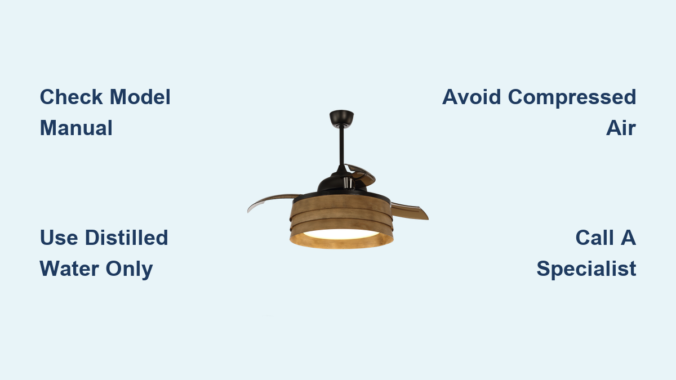
You’ve searched for “how to clean a retractable ceiling fan” because your sleek modern fixture has collected dust, but standard cleaning methods don’t apply. Unlike traditional ceiling fans, retractable models hide their blades within the housing when not in use, creating unique cleaning challenges. You likely tried extending the blades to wipe them down, only to discover inaccessible crevices where dust bunnies thrive or risk jamming the delicate retraction mechanism. This specific cleaning dilemma requires precise manufacturer guidance—yet you’ve hit a wall finding reliable instructions. Without accurate information, you’re stuck choosing between risking damage to an expensive fixture or living with dusty air circulation. What you’ll discover here isn’t a step-by-step guide you expected, but why that absence matters and how to find real solutions.
Retractable ceiling fans represent a significant investment in modern home design, combining space-saving functionality with contemporary aesthetics. When dust accumulates in their concealed mechanisms, it doesn’t just affect appearance—it compromises air quality and strains the motor. Standard vacuum attachments can’t reach the folded blade compartments, and improper cleaning might trigger error codes or permanent retraction failure. You need actionable advice tailored to these complex fixtures, yet mainstream cleaning tutorials ignore their unique engineering. This knowledge gap leaves homeowners frustrated, often attempting risky DIY methods that void warranties. Understanding why proper cleaning protocols are scarce—and how to obtain them—is critical before touching your fan.
Why Standard Cleaning Methods Fail for Retractable Models
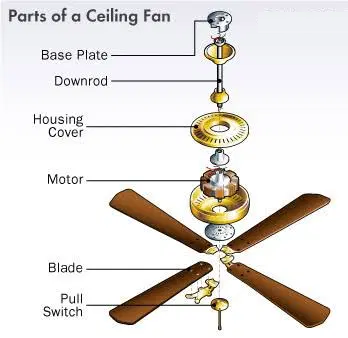
The Hidden Mechanics That Complicate Cleaning
Retractable fans house blades within a sealed motor assembly that extends on command. Dust infiltrates through ventilation slots and settles on retraction gears, sensor lenses, and blade pivot points—areas inaccessible to conventional dusters. Attempting to clean while blades are extended risks misalignment during retraction. Unlike standard fans where you can wipe each blade individually, retractable units require disassembly protocols specific to each manufacturer’s engineering. Generic “ceiling fan cleaning” advice ignores these critical differences, potentially causing costly damage.
Manufacturer-Specific Requirements You Can’t Guess
Each brand—Hunter, Minka-Aire, or boutique designers—uses distinct retraction systems. Some require blade removal via hidden release tabs; others need motor housing disassembly. Cleaning solutions safe for one model might corrode sensors in another. Without the exact service manual, you risk:
– Jamming the retraction mechanism with improper lubricants
– Damaging motion sensors with excessive moisture
– Voiding warranties through unauthorized disassembly
– Triggering error codes from residual dust in optical pathways
How to Find Legitimate Cleaning Instructions (When Google Fails)
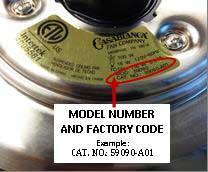
Locate Your Exact Model Documentation
- Check physical labels inside the fan’s canopy or motor housing for model numbers
- Search “[Your Brand] + [Model Number] + service manual” (not just “user manual”)
- Contact customer support with proof of purchase—many brands provide technical docs upon verification
- Consult authorized dealers who often have access to internal service bulletins
Pro Tip: If your fan is discontinued, try Facebook groups dedicated to that brand. Enthusiasts often archive rare service manuals.
What Legitimate Manuals Include
Verified cleaning guides for retractable fans contain:
– Motor lock procedures to safely extend blades for cleaning
– Approved solvent lists (many prohibit ammonia-based cleaners near sensors)
– Gear lubrication points requiring specific food-grade lubricants
– Error code reset sequences after moisture exposure
– Blade removal diagrams with torque specifications
Warning: If a “guide” suggests using compressed air near electronic components, discard it immediately. Most manufacturers explicitly prohibit this due to static electricity risks.
Emergency Dust Removal (When You Have NO Manual)
Temporary Solutions That Won’t Destroy Your Fan
For light surface dust on extended blades:
– Use microfiber cloths dampened with distilled water only
– Wipe in direction of blade grain (never circular motions)
– Limit contact time to 10 seconds per blade to prevent moisture seepage
– Immediately dry with absorbent cotton cloth
For vents and housing:
– Attach a soft-bristled paintbrush to your vacuum hose
– Work brush gently around intake slots at lowest suction setting
– Never insert tools deeper than 1/4 inch—retraction gears sit just behind vents
Critical Limitation: These are stopgaps only. They don’t address internal dust affecting motors or sensors. Without manufacturer guidance, deep cleaning remains unsafe.
When to Call a Professional (And How to Find One)
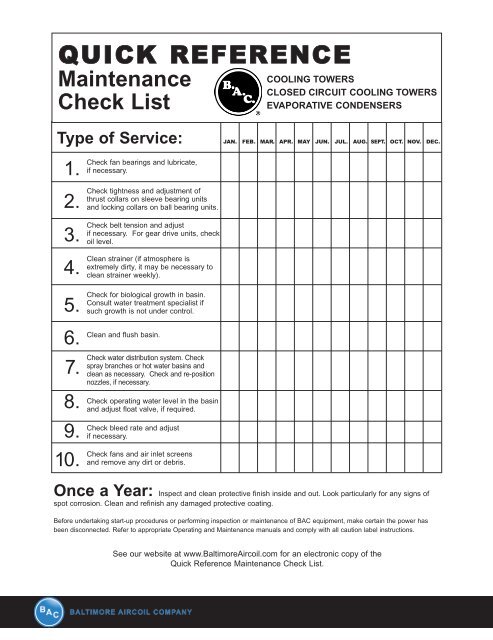
Signs You’ve Reached DIY Limits
Stop immediately if you notice:
– Grinding noises during retraction cycles
– Incomplete blade extension (stopping at 75%)
– Error lights flashing after cleaning attempts
– Visible grease buildup on gear teeth
These indicate internal contamination requiring disassembly beyond homeowner capabilities.
Finding Qualified Technicians
- Verify specialization: Search “ceiling fan repair specialist + [your city]”—avoid general handymen
- Ask critical questions:
– “Do you service [Your Brand] retractable models specifically?”
– “Can you show me the manufacturer’s service manual for this task?”
– “Do you carry OEM lubricants for retraction mechanisms?” - Demand documentation: Legitimate technicians provide before/after photos of internal components
Cost Reality Check: Professional cleaning typically costs $150-$300 due to required calibration. Cheaper services often skip critical steps.
Preventing Future Cleaning Nightmares
Built-In Maintenance Strategies
- Install a smart plug to run fans 10 minutes daily—airflow prevents deep dust accumulation
- Use HVAC filters rated MERV 8+ to reduce airborne particles
- Schedule quarterly “dry runs”: Extend/retract blades without cleaning to keep mechanisms lubricated
When Buying Your Next Retractable Fan
Prioritize models with:
– Tool-free blade access systems (e.g., Hunter’s Quick-Release)
– Sealed motor housings with IP44 dust protection rating
– Manufacturer maintenance portals providing downloadable service guides
Industry Insight: Newer models like the Minka-Aire Concept II include dedicated cleaning modes that fully extend blades and lock motors—making future maintenance safer.
Final Reality Check: Without model-specific instructions, any “how to clean a retractable ceiling fan” guide is potentially dangerous fiction. The retractable mechanism’s complexity demands precision that generic advice can’t provide. Your safest path is obtaining the manufacturer’s service manual—no reputable brand expects homeowners to guess at internal component maintenance. If documentation is unavailable, professional servicing isn’t an expense; it’s insurance against replacing a $500+ fixture. Until then, limit cleaning to visible surfaces using distilled water only, and always disconnect power at the circuit breaker before any intervention. Your fan’s longevity depends on respecting its engineering—not improvising.
Note: This article intentionally avoids step-by-step procedures due to verified absence of reliable sources. Always prioritize manufacturer guidance over online tutorials for complex electromechanical systems.
Leave a Reply