Mounting a ceiling fan directly to an exposed beam transforms your space with both functional airflow and architectural appeal, but requires specific techniques that differ from standard drywall ceiling installations. Unlike conventional mounting between joists, beam-mounted fans must attach directly to structural members while maintaining electrical code compliance and achieving a polished appearance. This guide delivers precise, actionable steps for securing your fan safely and professionally to any exposed beam ceiling.
The critical difference in open beam installations is that you can’t hide mounting hardware or electrical boxes behind drywall—everything must be structurally sound and visually integrated with your architectural design. Whether your beams are fully exposed timber or drywall-covered structural elements, improper installation risks fan vibration, electrical hazards, or even detachment over time. By following these specific beam-mounting procedures, you’ll ensure a secure installation that operates quietly for years while enhancing your space’s aesthetic.
Before grabbing tools, gather essential equipment: fan-rated electrical box, structural wood screws (not drywall screws), voltage tester, wire strippers, drill with appropriate bits, level, and conduit if needed for surface wiring. Allocate 2-4 hours for this project depending on your experience level. Now let’s address the most critical component first—the electrical box that anchors your entire installation.
Select Proper Fan-Rated Electrical Box for Beam Mounting
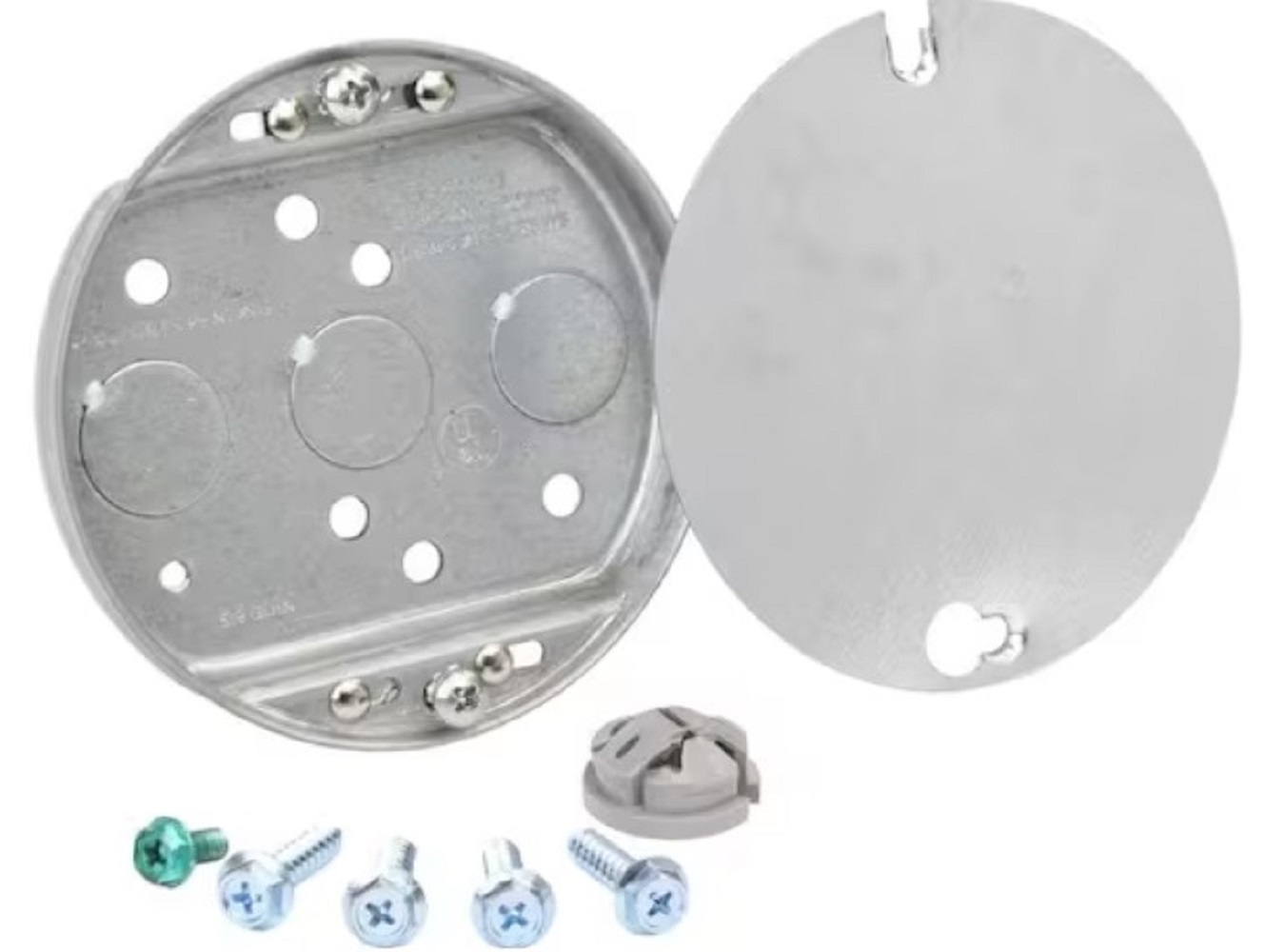
Never use standard electrical boxes for ceiling fans on exposed beams—these lack the reinforcement needed to handle vibration and dynamic forces. The National Electrical Code (NEC 314.27) mandates that ceiling fan support boxes must be specifically listed and marked for this purpose. Standard boxes may crack or detach during operation, creating dangerous situations.
For direct beam mounting, choose one of these two approaches:
-
Pancake-style boxes like the Commercial Electric CMB50 with 1/2-inch depth and 5.9 cubic inch capacity work best when you want minimal visual impact. These shallow boxes mount flush to the beam surface and support fans up to 70 pounds—covering virtually all residential models.
-
Blocking method if you need positioning flexibility: Attach a 2×4 to the beam surface first, then secure your fan-rated box to this blocking. This distributes stress across a wider area and helps position the fan optimally in your room layout.
When your beam has drywall covering, use surface raceway systems like Wiremold with integrated fan box fittings. These maintain code compliance while creating a professional appearance along the beam surface. For fully exposed beams without drywall, direct mounting is simpler since conduit spacing requirements differ for visible structural wood.
Confirm Beam Can Support Ceiling Fan Weight
Your wooden beam must securely hold both static weight (15-50 pounds for most fans) and dynamic forces generated during operation. A simple verification test prevents dangerous assumptions: Apply gradual downward pressure on the mounting location with your full body weight. If the beam holds without cracking or excessive flex, it will safely support your ceiling fan.
The NEC provides two compliant support pathways:
– Using a manufacturer-listed fan-rated box (preferred method)
– Mounting to structural framing proven capable of supporting the fan
For maximum security, especially with heavier fans or outdoor installations:
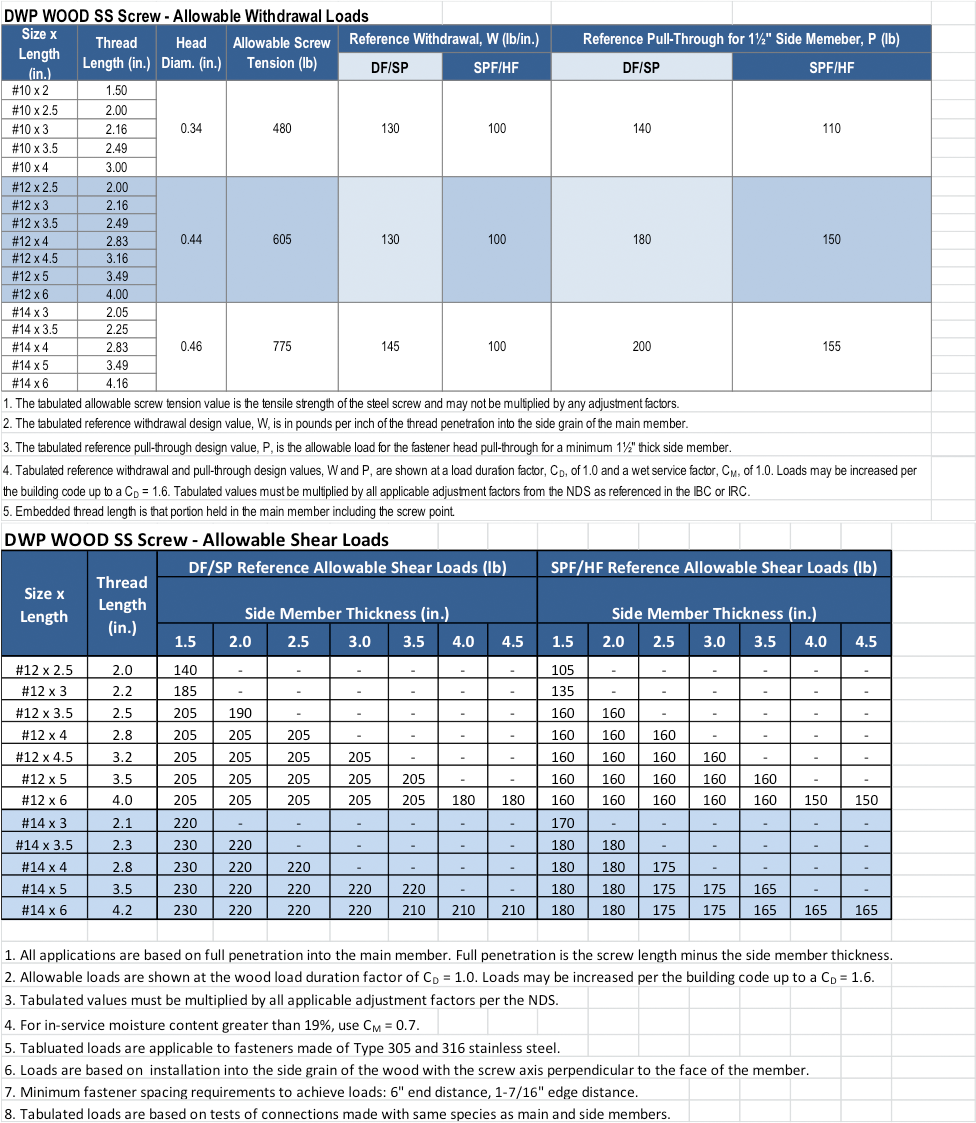
– Use structural wood screws with at least 1.5 inches of thread engagement
– Consider bolt-through mounting with fender washers and nylon locknuts
– Add wood blocking behind primary mounting points for critical installations
Outdoor applications like gazebos require additional precautions—use treated lumber for structural backing (with cut ends treated), and select electrical components rated for outdoor/wet locations. Never use indoor-rated hardware in exposed environments where moisture and temperature cycling accelerate deterioration.
Make Secure Electrical Connections on Beam Surface
Wiring for beam-mounted fans follows standard practices but requires special attention to surface routing. Most open beam installations have existing wiring bundles running along ceiling surfaces—these must be properly secured and terminated within your fan-rated box.
Follow these critical wiring steps:
1. Turn off power at the circuit breaker and verify with a voltage tester
2. Run wiring through appropriate box knockouts using surface conduit if extending circuits
3. Make all connections inside the box with approved wire nuts—not loose in ceiling cavities
4. Verify box fill capacity: 5.9 cubic inch boxes handle two or three Romex cables for standard fan installations
When extending circuits along beams, surface-mounted raceway systems provide code-compliant solutions that maintain aesthetic appeal. Wiremold and similar products offer fittings designed specifically for fan box connections, eliminating the need to cut into structural members.
Mount Fan Directly to Beam Surface Correctly
Position your fan to maintain proper clearance—blades should sit 7-9 feet above the floor for optimal air circulation. For 12-foot ceilings, a 10-foot downrod typically provides ideal height while ensuring adequate blade clearance from the floor.
Execute these mounting steps precisely:
– Install the fan-rated box directly to solid beam wood using structural screws
– Ensure the box is perfectly level before final tightening
– Connect all wiring according to manufacturer diagrams inside the box
– Attach the mounting bracket, verifying secure engagement with the box
– Install the fan motor assembly, downrod, and blades following torque specifications
Critical tip: Never skip the leveling step—this creates uneven blade rotation that causes vibration and premature wear. Use a small level on both the electrical box and fan mounting plate before proceeding.
Eliminate Vibration Through Proper Balancing

Vibration is the enemy of beam-mounted fans since there’s no drywall to dampen movement. Most wobble issues stem from blade imbalance rather than mounting problems. Most fans include balancing kits—use these during installation to prevent future headaches.
Troubleshoot vibration immediately after installation:
1. Run fan at all speed settings and observe operation
2. If vibration occurs, turn off fan and wait for complete stop
3. Check all blade screws for tightness (loose screws are the #1 cause)
4. Verify blades aren’t bent or damaged
5. Apply balancing weights as needed per manufacturer instructions
Annual maintenance prevents vibration from developing over time. Simply tighten all blade screws and mounting connections once per year—vibration gradually loosens hardware during normal operation.
Adapt Installation for Vaulted Ceilings and Outdoor Spaces
Sloped beam ceilings require specialized mounting hardware. Use fans specifically designed for vaulted ceilings with angled mounting assemblies that keep the fan level with your room while attaching to the sloped beam.
For outdoor installations like covered patios:
– Select fans rated for damp or wet locations
– Use outdoor-rated electrical boxes with weatherproof gaskets
– Treat all cut wood ends with appropriate sealant
– Ensure all hardware is corrosion-resistant
Retrofitting fans where only light fixtures existed requires box replacement. If your existing electrical box isn’t fan-rated, replace it before fan installation—don’t risk mounting to inadequate support.
Perform Essential Maintenance for Lasting Performance
Your beam-mounted fan requires minimal but critical maintenance:
– Monthly: Clean dust from blades (dust accumulation causes imbalance)
– Annually: Tighten all mounting screws and blade hardware
– As needed: Rebalance blades if vibration develops
When problems arise, systematically troubleshoot:
– Electrical issues? Check wire connections first—loose connections create fire hazards
– Excessive wobble? Verify blade screw tightness before suspecting motor issues
– Intermittent operation? Test wall switch connections and circuit breaker
The visual nature of beam-mounted fans means aesthetics matter as much as function. Ensure your canopy fully covers the electrical box—some designs assume recessed mounting and may not fit properly on surface-mounted boxes. If needed, select deeper canopy designs during fan purchase.
Properly installed beam-mounted ceiling fans deliver years of reliable service while enhancing your architectural space. By using fan-rated boxes, verifying structural support, making secure electrical connections, and performing simple maintenance, you’ll enjoy both functional airflow and visual appeal without safety concerns. When in doubt about structural capacity or electrical requirements, consult a qualified electrician—your safety is worth the investment for a professional assessment.
Leave a Reply