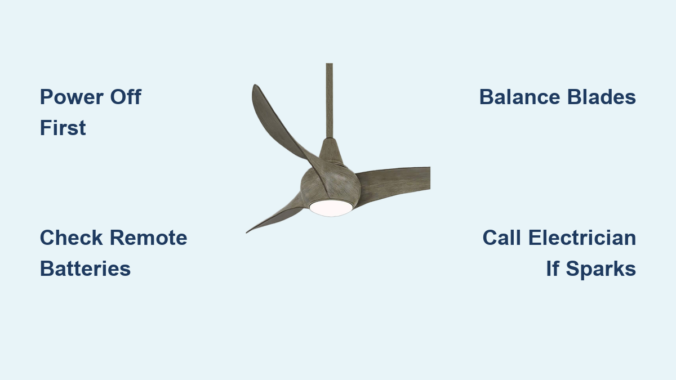
When your Minka Aire ceiling fan suddenly stops working or starts making unusual noises, it can disrupt both comfort and ambiance in your home. Many homeowners attempt DIY repairs to avoid service fees, but without proper knowledge of these sophisticated fixtures, you risk electrical hazards or further damage to your investment. This guide focuses on safe troubleshooting approaches for Minka Aire ceiling fan problems while emphasizing when professional help is absolutely necessary. You’ll learn to identify common issues you can safely assess and understand critical warning signs that mean it’s time to call a qualified electrician.
Essential Safety Precautions Before Any Fan Inspection
Before you even think about touching your Minka Aire ceiling fan, you must follow these non-negotiable safety steps. Electricity combined with moving parts creates serious risks that demand respect and proper procedure. Skipping these safety measures could result in electrical shock, falls from ladders, or permanent damage to your fan’s delicate components.
Power Disconnection Protocol
Always turn off power at the circuit breaker, not just the wall switch, before examining your Minka Aire ceiling fan. Verify power is off using a non-contact voltage tester at the fan’s canopy connection point. Many homeowners don’t realize that even when the wall switch is off, wiring in the ceiling box may still be live. Wait at least 5 minutes after power disconnection before proceeding, as capacitors in the fan’s motor can store dangerous electrical charges. Never work on your ceiling fan while standing on a metal ladder or with wet hands.
Required Safety Equipment Checklist
For any Minka Aire ceiling fan assessment, gather these essential safety items:
– Non-contact voltage tester (tested on a known live circuit first)
– Rubber-soled shoes with dry, clean soles
– Safety glasses to protect from falling dust or debris
– Sturdy ladder rated for your weight with a helper stabilizing it
– Insulated tool set specifically designed for electrical work
Working without these basic safety items dramatically increases your risk of injury. If you don’t have proper equipment, stop immediately and reconsider whether this is a job for professionals.
Diagnosing Why Your Minka Aire Fan Won’t Start
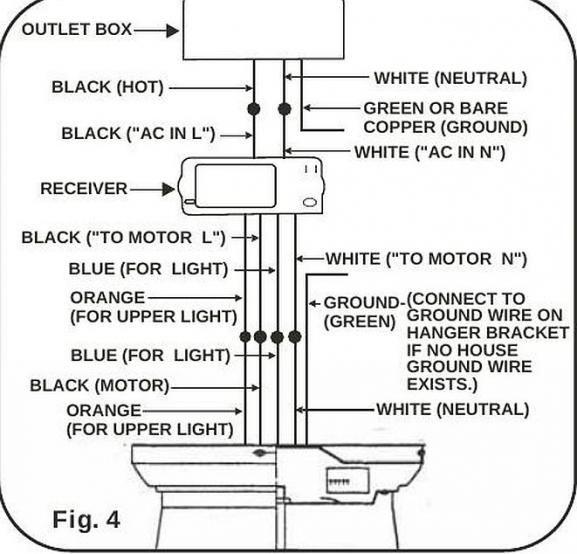
When your Minka Aire ceiling fan fails to respond to the remote or wall control, several potential causes exist. The critical first step is determining whether the problem lies with the fan itself or with your home’s electrical system. Jumping straight to disassembly could waste your time if the issue is simply a tripped breaker or depleted remote batteries.
Is It the Power Source or the Fan?
Check these common oversights first:
– Verify the circuit breaker hasn’t tripped (test by plugging in another device)
– Replace batteries in your remote control (even if they appear new)
– Ensure the pull chain is properly positioned (some models have multiple settings)
– Confirm the wall control isn’t in “off” position or locked out
Many homeowners spend hours troubleshooting their Minka Aire ceiling fan only to discover the problem was something as simple as a tripped GFCI outlet in another room. Always eliminate these basic possibilities before proceeding to more complex diagnostics.
Remote Control Troubleshooting Steps
If your Minka Aire fan uses a remote system, follow this sequence:
1. Replace remote batteries with fresh ones (don’t assume they’re good)
2. Clean battery contacts with a cotton swab and rubbing alcohol
3. Reset the remote by removing batteries for 30 seconds
4. Check for physical obstructions between remote and receiver
5. Verify the receiver module inside the fan canopy is properly seated
Pro Tip: Direct sunlight or LED lighting can sometimes interfere with remote signal transmission. Try operating your Minka Aire ceiling fan in different lighting conditions to rule out interference issues.
Addressing Annoying Wobble and Noise Problems
A wobbling Minka Aire ceiling fan isn’t just annoying—it indicates an imbalance that can accelerate wear on motor bearings and create dangerous stress on mounting hardware. While minor wobble is normal in many ceiling fans, excessive movement requires immediate attention to prevent fixture failure.
Blade Balance Assessment Technique
To determine if your Minka Aire fan’s wobble stems from unbalanced blades:
1. Turn off the fan and allow blades to stop completely
2. Attach a clothespin to the end of one blade
3. Turn fan to medium speed and observe wobble
4. Move the clothespin to different blades until wobble minimizes
5. Once identified, either clean the problematic blade or use a balancing kit
Warning: Never attempt to balance blades while the fan is running. Always ensure power is disconnected before handling blades directly.
Mounting Hardware Inspection Points
Excessive wobble often originates from loose mounting components:
– Check canopy screws connecting fan to mounting bracket
– Verify ceiling hook or mounting bracket is securely anchored to joist
– Examine downrod connections for tightness (if applicable)
– Confirm all blade irons are properly secured to motor housing
If your Minka Aire ceiling fan wobbles significantly even after balancing and tightening, the mounting bracket may have become compromised. Continuing to operate a severely wobbling fan risks the entire fixture becoming detached from the ceiling.
Light Kit Malfunction Solutions
When the light component of your Minka Aire ceiling fan fails while the fan continues operating, you’re dealing with a separate electrical circuit that requires specific troubleshooting. Many homeowners mistakenly assume a light problem indicates a complete fan failure, when often it’s a simple bulb or socket issue.
Bulb and Socket Verification Process
Before disassembling your Minka Aire fan’s light kit:
– Test with a brand new bulb of correct wattage and type
– Check for loose bulb connections (turn power off first)
– Inspect socket for darkening, melting, or corrosion
– Verify wiring connections inside the canopy are secure
Critical Safety Note: Never exceed the maximum wattage rating specified for your Minka Aire ceiling fan light kit. Using oversized bulbs creates fire hazards and can melt socket components.
When to Absolutely Call a Professional
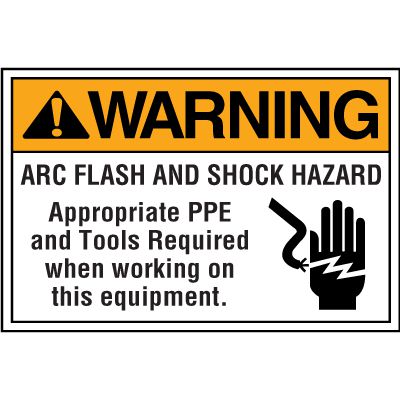
Certain Minka Aire ceiling fan issues should never be handled as DIY projects. Recognizing these danger signs could prevent serious injury or property damage. Electrical work requires specialized knowledge and tools that most homeowners don’t possess.
Immediate Professional Intervention Required
Contact a licensed electrician immediately if you notice:
– Burning smells or visible scorch marks on fan components
– Buzzing sounds accompanied by flickering lights
– Sparks or arcing from the fan housing
– Fan continues operating when wall switch is off
– Moisture or water damage near electrical components
These conditions indicate serious electrical faults that require professional diagnosis. Attempting repairs on your own could result in electrocution or fire.
Complex Component Failures
The following Minka Aire ceiling fan problems typically require professional service:
– Motor humming but not turning
– Intermittent operation with no clear pattern
– Remote system pairing failures after multiple attempts
– Complete electrical failure after recent home renovation
Minka Aire fans contain proprietary components that often require specialized knowledge to service properly. Generic repair advice found online may not apply to your specific model.
Preventative Maintenance to Extend Fan Life
Regular maintenance dramatically extends the lifespan of your Minka Aire ceiling fan while preventing many common problems before they develop. A simple monthly routine takes just minutes but pays significant dividends in reliability and performance.
Monthly Care Checklist
For optimal Minka Aire ceiling fan performance:
– Dust blades thoroughly (use microfiber cloth to avoid imbalance)
– Check for loose screws on blades and mounting hardware
– Verify smooth operation at all speed settings
– Listen for unusual sounds that indicate developing problems
– Clean light fixtures to maintain maximum illumination
Pro Tip: Apply a small amount of light machine oil to the downrod joint annually to prevent squeaking, but never lubricate the motor housing.
Final Note: While basic troubleshooting can resolve some Minka Aire ceiling fan issues, electrical work demands respect for safety protocols. When in doubt about any aspect of fan repair, always consult a qualified electrician—your safety is worth far more than any potential savings from a DIY repair. Regular dusting and visual inspections prevent 80% of common fan problems, making preventative care your most valuable maintenance tool. Remember that Minka Aire fans contain sophisticated electronics that often require manufacturer-specific knowledge for proper repair.
Leave a Reply