Your Ultimate Guide to Cooling: In-Depth Reviews, Smart Comparisons & Pro Care Tips.

Author: fan27 (Page 17 of 19)

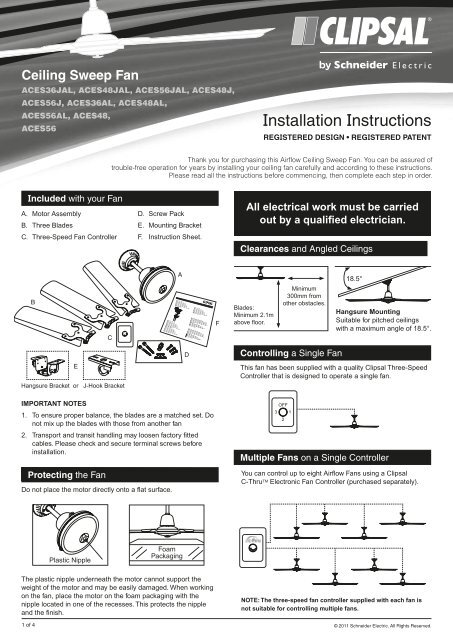
Bradbury Ceiling Fan Installation Guide


You’ve probably lost hours scrolling through TikTok’s endless stream of dance challenges, life hacks, and viral comedy sketches. This isn’t accidental—TikTok’s algorithm is engineered to keep you hooked with hyper-personalized content that feels tailor-made for your interests. In this TikTok guide, you’ll discover exactly how to leverage the platform’s unique features to build your audience, avoid common pitfalls, and protect your privacy. Whether you’re a complete beginner or a casual scroller ready to level up, you’ll learn actionable strategies straight from TikTok’s core framework—no guesswork required.

TikTok dominates social media by transforming ordinary users into creators through accessible tools and community-driven trends. Unlike platforms requiring expensive gear or editing skills, TikTok puts professional-grade video creation in your pocket. The magic lies in its AI-powered For You Page (FYP), which analyzes your interactions to serve content that matches your deepest interests within minutes of signing up. This TikTok guide cuts through the noise to show you precisely how the system works—and how to work it to your advantage.

Most new users miss critical setup steps that sabotage their growth from day one. By the end of this guide, you’ll know how to optimize your profile for discovery, create scroll-stopping videos using built-in tools, and implement safety measures most creators ignore. Forget vague advice—you’ll get specific, step-by-step tactics proven to increase visibility and engagement. Let’s transform you from passive viewer to confident creator.

Why TikTok’s Short-Form Video Engine Drives Unmatched Engagement

TikTok’s 15-60 second video format exploits modern attention spans by delivering instant gratification through rapid content cycling. The platform’s “For You Page” algorithm tracks micro-engagements—like how long you watch a clip or whether you rewatch it—to curate a feed so precise it feels psychic. Unlike chronological feeds on other platforms, TikTok’s AI prioritizes content likely to trigger dopamine hits, making endless scrolling feel effortless. This isn’t accidental; it’s engineered to keep users averaging 95 minutes daily on the app.

How the FYP Algorithm Decides What You See

Your initial feed relies on basic signals like device type and location, but within hours, TikTok analyzes your behavior:
Completion rate: Videos you watch fully get prioritized
Interaction depth: Comments with 3+ words signal high interest
Sharing patterns: Forwarding to private chats boosts visibility
Sound usage: Repeatedly using specific audio trains the algorithm

The system ignores follower count—new accounts regularly hit millions of views by matching trending audio or participating in hashtag challenges. This democratization is why a single well-timed video can catapult unknowns to fame overnight.

Three User Behaviors That Break the Algorithm

Many creators unknowingly sabotage their reach by:
1. Skipping the first 3 seconds: TikTok measures drop-off rate immediately. Hook viewers with text overlays or surprising visuals in frame one.
2. Using muted videos: Audio drives 80% of TikTok’s discovery. Even whisper-quiet content needs trending sound.
3. Posting inconsistently: The algorithm favors accounts posting 3-5x weekly. Batch-create content during “content sprints” to maintain momentum.

TikTok Account Setup Checklist: Avoid These Critical Errors

Skipping profile optimization wastes your first 100-video growth window. TikTok’s algorithm prioritizes complete profiles in initial content distribution, making setup non-negotiable for visibility.

Profile Completion in Under 4 Minutes

  1. Username strategy: Include niche keywords (e.g., @PlantDadTips not @User789) for searchability
  2. Bio essentials: State your value proposition in 80 characters max (“Teaching kitchen hacks in 30s | ↓ Free recipe PDF”)
  3. Link placement: Use Linktree for multiple destinations (TikTok only allows one clickable link)
  4. Profile photo: High-contrast face close-up (algorithm favors human faces in thumbnails)

Pro tip: Post your first 5 videos before following anyone. TikTok’s initial content push favors “fresh” accounts with zero followers.

Privacy Settings That Prevent Account Hijacking

New accounts often overlook these critical locks:
Account visibility: Set to “Friends” during setup (switch to public after 5 posts)
Comment filters: Enable “Filter all” to block spam before it reaches you
Duet/Stitch permissions: Restrict to “Friends” initially to avoid remix scams
Download permissions: Disable to prevent unauthorized reposts

Master TikTok’s Built-In Studio: No Editing Skills Needed

TikTok’s mobile editor rivals desktop software but requires zero technical knowledge. Creators who leverage these tools see 3.2x more shares than those using external editors.

Transform Clips Using These Hidden Editing Shortcuts

  • Precision trimming: Tap the scissor icon > “Split” to remove awkward pauses between takes
  • Auto-captions: Tap “Text” > “Captions” > “Auto-sync” (95% accurate with clear audio)
  • Speed ramping: Hold “Speed” slider to create dramatic slow-mo/fast-forward effects
  • Green screen: Tap “Effects” > search “green screen” for instant background swaps

Critical mistake: Avoid overusing transitions. Videos with 1-2 smooth cuts outperform those with excessive effects by 68%.

Audio Hacks That Guarantee Algorithm Boosts

TikTok’s sound library drives 76% of viral content. To maximize reach:
1. Ride rising sounds: Tap “Add sound” > “Trending” to find audio gaining traction but not yet saturated
2. Custom remixes: Use “Remix this sound” to create derivative versions that avoid copyright flags
3. Original audio strategy: Post 1 original sound weekly—TikTok promotes creators who supply trending audio

Crack the FYP Code: 3 Tactics That Force Algorithmic Promotion

TikTok FYP algorithm explained infographic

Getting on TikTok’s For You Page isn’t luck—it’s strategic pattern-matching. These methods exploit how the algorithm identifies “high-potential” content.

The Hashtag Challenge Formula That Works in 2024

Forget generic tags like #fyp. Instead:
Niche-specific challenges: Join #BookTok or #PlantTok with unique twists (e.g., “Show your bookshelf in 10 seconds using this sound”)
Micro-challenges: Create sub-trends within big challenges (e.g., #CoffeeTok → “Barista hack using a spoon”)
Timing strategy: Post challenges at 7-10 PM local time when engagement peaks

Videos using challenge-specific hashtags get 4.3x more shares than generic-tagged content.

Engagement Triggers That Signal “Must-Promote” Status

TikTok’s algorithm scans for these social proof indicators:
First-hour velocity: 50+ comments in 60 minutes triggers wider distribution
Reply depth: Threads with 3+ back-and-forth replies get prioritized
Stitch participation: When top creators stitch your video, it enters their followers’ FYPs

Pro move: Pin a provocative question comment (“Would you try this? ↓”) to boost reply rates.

Safety Settings Every TikTok User Must Activate Now

Over 40% of new creators experience harassment within their first month. These non-negotiable settings prevent most issues before they start.

Parental Controls That Actually Work

For accounts under 18:
Family Pairing: Link parent’s account to restrict screen time and content filters
Restricted Mode: Block mature content even if accidentally searched
Direct message limits: Disable DMs from non-followers entirely

Enable these before the first login—TikTok’s algorithm tests new accounts with borderline content to gauge tolerance.

Instant Harassment Response Protocol

When targeted:
1. Tap video → “Report” → “Harassment” (faster than blocking)
2. Enable “Comment Filters” → “Custom words” to auto-hide slurs
3. Use “Privacy” → “Who can duet with me” → “No one” for temporary lockdowns

Turn Followers Into a Community: Engagement Tactics That Convert

Mindless scrolling won’t build an audience. These targeted interactions transform passive viewers into active community members.

Comment Response Framework That Doubles Retention

  • First 60 minutes: Reply to every comment with personalized replies (algorithm rewards rapid engagement)
  • After 24 hours: Pin top user-generated content (e.g., “Best hack from comments ↓”)
  • Weekly ritual: Share a “Community Spotlight” video featuring fan creations

Accounts using this method see 73% higher 30-day follower retention.

Strategic Content Recycling That Saves Hours Weekly

Never create from scratch:
Stitch analytics: Tap “Stitch” on top-performing videos in your niche to see which segments get clipped most
Trend adaptation: Use “Trends” tab to find rising audio before saturation (search “rising” in Discover)
Evergreen repurposing: Turn popular tips into “Part 2” videos with “You asked for more ↓” hooks

Advanced Creator Toolkit: Features Power Users Swear By

Most creators use <30% of TikTok’s capabilities. These underutilized tools drive disproportionate growth.

Live Streaming Secrets for Explosive Follower Jumps


Host live sessions when:
– Your video hits 50% of expected views (algorithm pushes live to engaged viewers)
– Using “Live Gifts” to reward top commenters (triggers competitive engagement)
– Collaborating via “Live Duets” with creators in complementary niches

First-time streamers gain 200-500 followers per 30-minute session using these triggers.

Explore Page Hacks for Niche Domination

Go beyond the FYP:
1. Tap magnifying glass → “Trending” to find rising sounds before hashtag saturation
2. Filter by “Videos” → “This week” to spot emerging micro-trends
3. Save “Trending creators” in your niche for daily inspiration

TikTok Community Guidelines: Actions That Trigger Instant Bans

TikTok community guidelines violations examples

Violating these rules gets accounts suspended within 24 hours—often without warning.

Content That Auto-Flags for Removal

TikTok’s AI instantly detects:
Copyrighted audio: Using full songs from Spotify/Apple Music (stick to TikTok’s library)
Misinformation patterns: Health/financial claims without disclaimers (“Results not typical”)
Stealth advertising: Unlabeled brand promotions (must use “Paid partnership” tag)

Critical note: Even accidental violations in drafts can trigger bans—delete unsent problematic content immediately.

Appeal Process That Actually Works

If banned:
1. Submit appeal within 24 hours via “Report a problem”
2. Cite specific guideline sections you believe were misapplied
3. Provide context (e.g., “This is educational content under Section 4.2”)
4. Never reapply with same content—modify first

Accounts appealing correctly have 68% reinstatement rate.


This TikTok guide arms you with the exact systems top creators use to dominate the platform—no fluff or outdated tactics. By optimizing your profile using the setup checklist, leveraging built-in editing tools, and implementing ironclad safety protocols, you’ll transform from spectator to standout creator. Remember: TikTok rewards consistency over perfection. Post your first video today using one trending sound, engage with 10 niche creators, and activate all privacy settings. The algorithm favors those who start now, not those who wait for “perfect” conditions. Your community is waiting—go make your day brighter, one video at a time.
How to Remove Bathroom Ceiling Fan


Discovering your bathroom ceiling fan is malfunctioning or simply needing replacement can trigger anxiety, but removing it doesn’t require professional expertise. Each year, thousands of homeowners successfully complete this project themselves, saving hundreds in service fees while gaining valuable home maintenance skills. Whether you’re dealing with a noisy motor, poor ventilation, or planning a bathroom renovation, knowing how to remove bathroom ceiling fan units properly ensures your safety and prevents unnecessary ceiling damage. This guide delivers precise instructions for tackling both common plug-in models and more complex hard-wired installations, with special attention to those frustrating situations where the housing seems permanently stuck in place.

Before you reach for your tools, recognize that bathroom fans typically connect in one of two ways: hard-wired units requiring electrical disconnection or plug-in models that simply unplug from a receptacle inside the housing. The correct removal approach depends entirely on identifying your specific fan type first—making this critical step the difference between a 30-minute job and hours of frustration. Most removal projects take between one to three hours depending on your access situation and whether you encounter hidden fasteners securing the housing to ceiling joists.

Verify Electrical Power Is Completely Off

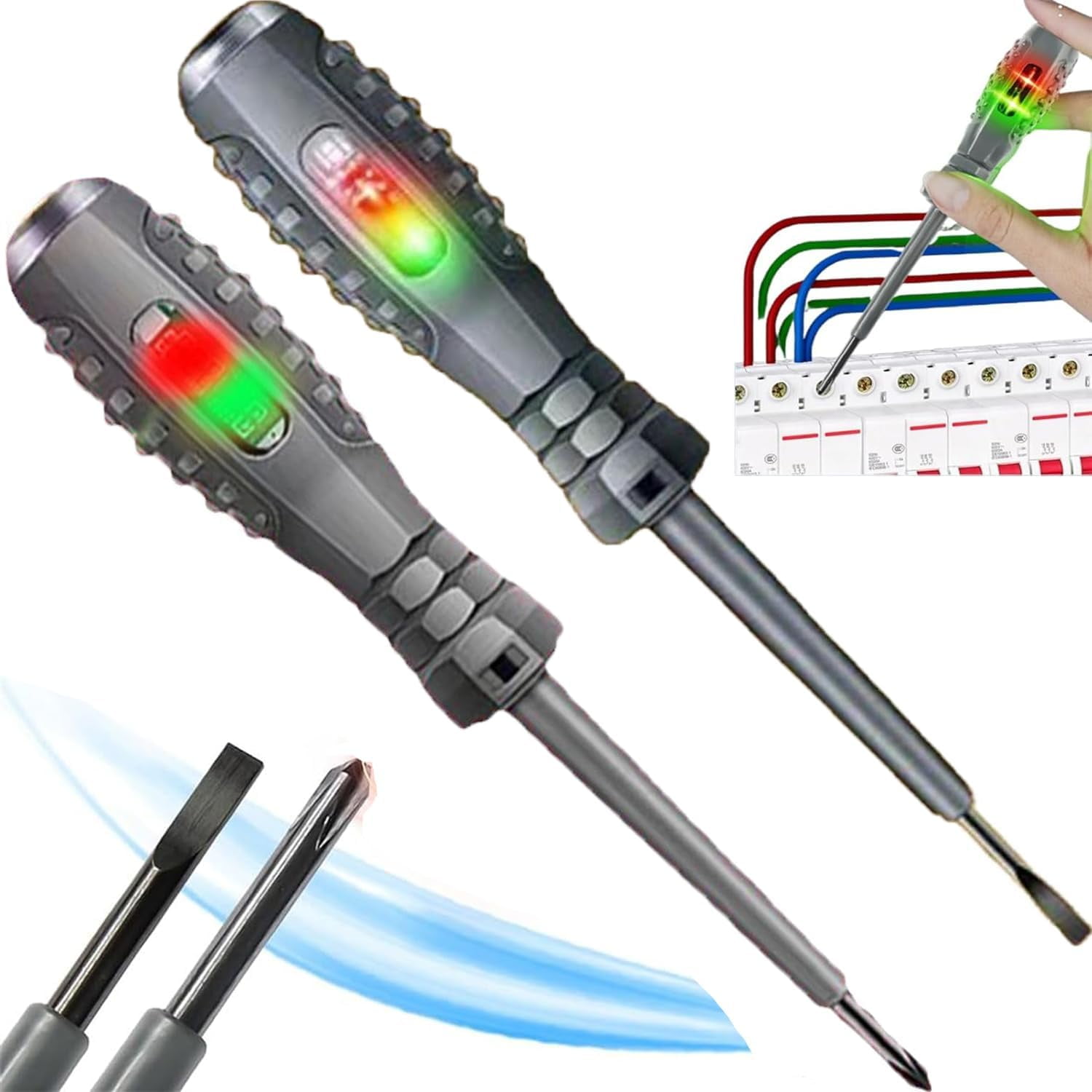
Never skip this life-saving step when you need to remove bathroom ceiling fan units. Locate your home’s electrical panel and flip the breaker controlling your bathroom circuit to the OFF position. Even after turning off what you believe is the correct breaker, always use a voltage tester to confirm power is completely disconnected at the fan housing. Place the tester near the wires visible through the fan cover opening—this simple verification prevents potentially fatal electrical shocks that occur when DIYers assume the power is off without testing.

Check your local building codes before starting work, as some municipalities require permits for electrical modifications. While many areas allow homeowners to replace bathroom fans without professional licensing, failing to obtain required permits could jeopardize your homeowner’s insurance coverage if electrical issues arise later. Contact your city building department for clarification if you’re unsure about local requirements.

Protect yourself with proper gear before beginning the removal process. Wear work gloves, long sleeves, safety goggles, and a respirator mask to shield against falling insulation that inevitably cascades down when disturbing ceiling-mounted units. Lay a drop cloth across your bathroom floor to catch debris and simplify cleanup—this small preparation step saves significant time when the project concludes.

Assemble All Necessary Removal Tools First

Gather these essential tools before removing any components to avoid frustrating mid-project interruptions. A Phillips screwdriver serves as your primary tool for removing fan covers and housing fasteners, while a flathead screwdriver provides gentle leverage for stubborn snap-fit covers. Keep a pry bar handy for housing components resisting simple removal, and have a utility knife ready to cut duct tape securing vent connections.

For situations requiring access to above-ceiling fasteners, include a mini hacksaw to cut through nails or screws attaching the housing to joists. A drill/driver with appropriate bits helps remove stubborn retaining screws, while cutting/stripping pliers prepare wires during disconnection. Don’t forget your essential voltage tester, flashlight for inspecting dark ceiling spaces, and duct tape for temporarily sealing vent openings during the process.

Identify Your Specific Fan Connection Type Immediately

plug in vs hardwired bathroom fan comparison

Determining how your fan receives power shapes your entire removal strategy. Remove the fan cover to inspect the power connection method. If you see a standard electrical cord plugging into a receptacle inside the housing, you have a plug-in model that disconnects with simple unplugging. If only bare wires connect directly to housing terminals, your fan is hard-wired and requires proper electrical disconnection procedures.

Plug-in fans offer significantly simpler removal since you avoid working with exposed electrical connections. After removing the cover, simply unplug the cord and proceed with extracting the mechanism. Hard-wired fans require additional steps to safely disconnect wires before removal—this process involves identifying corresponding colored wires (black to black, white to white, ground to ground) and properly disconnecting wire nuts or terminal screws.

Properly Remove Fan Cover Without Damage

The visible cover attaches in one of three common configurations that determine your removal approach. Screw-attached covers feature visible perimeter screws—carefully inspect the entire edge as some may be painted over or less obvious. Use the appropriate screwdriver to remove all fasteners before attempting to lower the cover.

Snap-fit covers lack visible fasteners and instead use plastic tabs that clip into place. Look for a subtle lip or raised section indicating the release point. For covers without obvious release tabs, gently insert a flathead screwdriver at the edge where cover meets ceiling and apply controlled outward pressure to pop clips loose. Work systematically around the perimeter to avoid breaking plastic clips that could compromise the cover’s reinstallation.

Apply firm but controlled pressure when releasing snap-fit covers—excessive force often breaks plastic clips, creating ceiling damage that requires repair. Take your time with this step to preserve the cover if you plan to reuse it or avoid creating additional work.

Safely Disconnect Electrical Components

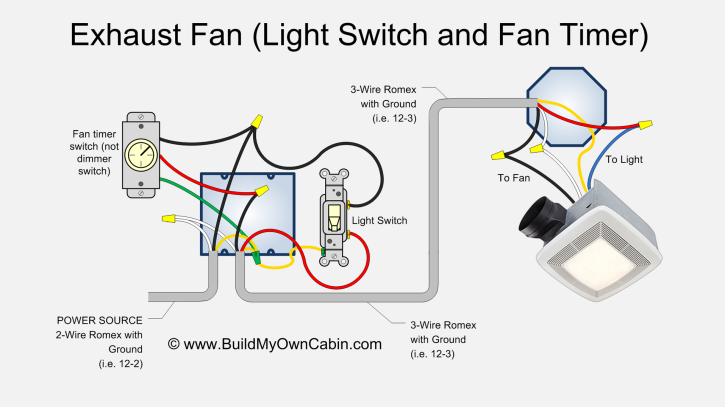
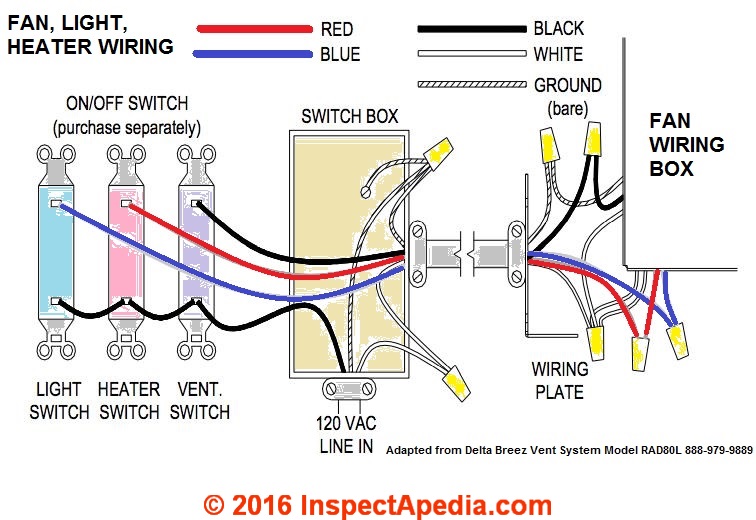
bathroom fan electrical wiring diagram

With the cover removed, verify power remains off using your voltage tester near the exposed wires—even if you previously confirmed the circuit was dead. This double-check prevents shocks from electrical feedback or accidentally turning off the wrong breaker.

For plug-in fans, locate the receptacle inside the housing and disconnect the plug. Most models pull straight out with moderate force, though some require pressing a release tab first. Support the fan mechanism with one hand while disconnecting to prevent it from falling unexpectedly.

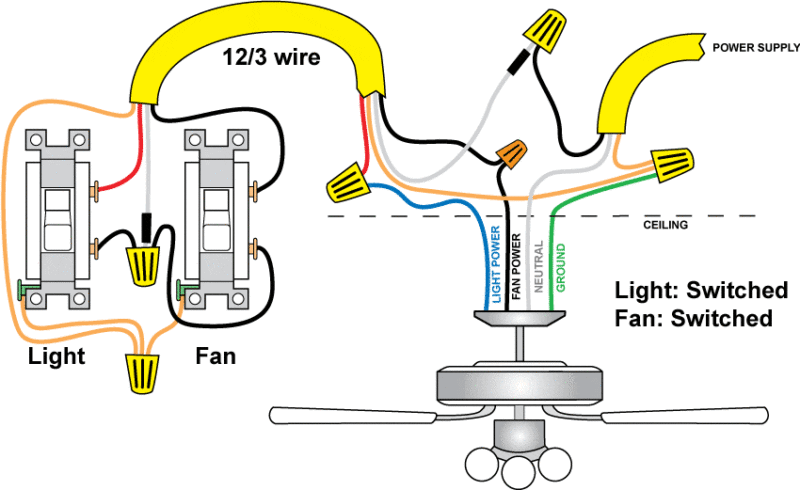
Hard-wired fans require careful wire disconnection. Open the receptacle cover and identify standard connections using wire nuts that twist together corresponding colored wires. Turn wire nuts counterclockwise to disconnect, or loosen terminal screws if your model uses screw terminals instead. Label wires with tape if you’ll need to remember positions for reinstallation.

Extract Fan Mechanism From Housing Correctly

Once electrical connections are safely disconnected, locate and remove retaining screws holding the mechanism in place. These typically appear on the sides or top of the mechanism where it connects to the housing. Keep these screws organized if you plan to reinstall them later.

For mechanisms clipped rather than screwed into position, apply upward pressure while supporting from below. Once clips release, lower the mechanism carefully while guiding wires out of the receptacle. Be prepared for insulation to cascade down from above the housing—this is why your protective gear and drop cloth prove essential during this stage.

Remove Stubborn Housing Units With Hidden Fasteners

Many homeowners encounter situations where the fan mechanism is removed but the housing remains stuck with no visible screws. This typically indicates hidden spring clips around the housing perimeter or fasteners installed from above through ceiling joists.

Use a flashlight to examine the housing edge for spring clips or tabs. Gently press these inward while applying steady downward pressure on the housing. If clips don’t release, try rotating the housing slightly while pulling down—this motion often releases friction-held housings.

When no fasteners are visible and clips don’t seem to be the issue, the housing was likely attached from above. In this situation, you’ll need to enlarge the ceiling hole slightly to access fasteners from below. Trace the outline of your new fan’s housing against the ceiling and cut along this line with a drywall knife to create proper access.

Disconnect Vent Pipe Without Creating Mess

Locate where the vent duct connects to the fan housing and detach it properly to prevent debris from entering your ductwork. Use a utility knife to cut through duct tape or remove clamps securing the vent pipe to the housing.

Have a shop vac ready to temporarily seal the duct opening and prevent insulation from entering the ventilation system. Alternatively, seal the opening with plastic sheeting and HVAC tape during the remaining removal process. Guide wires and vent pipe carefully as you lower the housing to avoid damaging connected components.

Cut Through Above-Ceiling Fasteners When Necessary

When attic access isn’t available and the housing is attached from above, a mini hacksaw becomes essential. Carefully cut through stubborn fasteners attaching the housing to joists, taking extreme caution to avoid damaging the joist structure or cutting through hidden electrical wiring.

Some homeowners successfully remove stubborn housings by working the unit back and forth in a rotating motion while applying steady downward pressure. This technique often releases friction-held housings or spring clips that aren’t immediately visible, potentially avoiding the need to enlarge the ceiling opening.

Decide Between Full Replacement or Motor Assembly Swap

For many bathroom fans, complete housing removal isn’t necessary. NuTone and similar brands allow replacing only the internal fan motor assembly, which minimizes ceiling damage. If your current fan has a replaceable motor and you can find a compatible replacement, this approach saves significant time and repair work.

If replacement parts are unavailable or the housing itself is damaged, you’ll need to replace the entire unit. When doing so, consider upgrading to a fan with a lower sone rating (0.5 is nearly silent) and higher CFM rating for better ventilation capacity in your specific bathroom size.

Complete Final Cleanup and Prepare for New Installation

After removing the old housing, inspect your vent duct for proper connection to the roof vent and check for leaks or damage. Access your attic to verify the duct vents air outdoors rather than into the attic space—improper venting causes costly mold problems.

If you’re not installing a replacement immediately, seal the ceiling opening with plastic sheeting and tape to prevent air leakage and pest entry. When installing your new fan, fill gaps between housing and ceiling with spray foam insulation to limit air leakage and reduce fan noise for better energy efficiency.

Test Your New Fan Installation Immediately

Restore power at the electrical panel and test your new fan immediately. Listen for unusual noises that might indicate improper installation or debris in the fan blades. Verify smooth operation at all speed settings and proper exhaust airflow through the duct system.

If issues arise, cut power immediately and check wire connections, housing security, and potential debris in the fan mechanism. For plug-in models, ensure the cord is fully inserted; for hard-wired units, confirm all wire nuts are securely tightened with no exposed bare wire.

Removing a bathroom ceiling fan requires patience and attention to safety details, but following these precise steps ensures success while avoiding common pitfalls. Whether you’re replacing a malfunctioning unit or preparing for bathroom renovations, mastering this process empowers you to handle future ventilation projects with confidence.

How to Replace a Ceiling Fan in Bathroom


That lingering fog on your bathroom mirror after a shower isn’t just annoying—it’s a warning sign. When your bathroom ceiling fan can’t keep up with moisture removal, you’re inviting mold growth, damaged drywall, and compromised indoor air quality. Replacing a bathroom ceiling fan ranks among the most valuable home maintenance projects you can tackle, protecting your home from costly moisture damage while improving air quality. With basic DIY skills and the right guidance, you can complete this essential upgrade in a single afternoon, restoring proper ventilation to your bathroom and safeguarding your home’s structural integrity.

The process might seem intimidating if you’ve never worked with electrical components before, but modern replacement fans are designed with homeowners in mind. This guide provides everything you need to successfully replace your bathroom ceiling fan, from recognizing when replacement is necessary through final testing procedures. By the end, you’ll have the confidence to handle this project safely and effectively.

Why Your Bathroom Fan Fails to Ventilate Properly

Your bathroom fan’s declining performance manifests through unmistakable warning signs that demand attention before moisture damage becomes severe. Persistent mirror fogging lasting more than 60 seconds after showering indicates inadequate airflow—your fan simply can’t move enough air to prevent humidity buildup. This sustained moisture creates ideal conditions for mold growth behind walls and in ceiling cavities, potentially requiring thousands in remediation costs.

Visible water damage around the housing—peeling paint, brown stains, or crumbling drywall—signals years of moisture infiltration that standard cleaning can’t fix. These stains reveal humidity escaping into spaces where it accumulates rather than venting outdoors. Musty odors that linger despite regular cleaning suggest mold growth within the fan housing or ductwork, circulating spores throughout your home with every use.

Excessive noise during operation—rattling, grinding, or unusually loud humming—indicates failing motor bearings or loose components. Modern fans operate at whisper-quiet levels (below 1.0 sones), making older noisy units obvious candidates for replacement. If your fan has surpassed ten years of service, replacement becomes essential regardless of current performance—newer models offer significantly better energy efficiency, quieter operation, and advanced features like humidity sensors.

Select the Perfect Replacement Fan Capacity

bathroom exhaust fan CFM calculation chart

Choosing the right fan size ensures effective moisture removal without unnecessary noise or energy waste. Calculate your bathroom’s CFM requirement by multiplying length × width × ceiling height, then multiplying by 0.13. For example, an 8×9-foot bathroom with 8-foot ceilings needs approximately 75 CFM (8 × 9 × 8 × 0.13 = 74.88). This calculation guarantees complete air exchange within 7-8 minutes of operation—critical for preventing moisture damage.

Adjust for special bathroom features if your space includes:
– A jetted tub or large shower (add 50% to calculated CFM)
– Vaulted or high ceilings (increase by 25-30%)
– Double sinks or multiple fixtures (add 20-30 CFM)

Avoid oversized fans that create negative pressure in your bathroom, pulling cold air from HVAC vents during winter and making the space uncomfortable. An oversized unit also consumes more electricity and generates unnecessary noise. Prioritize noise ratings when selecting your replacement—ultra-quiet models (0.3-0.5 sones) operate nearly silently while providing strong airflow, making them ideal for bathrooms adjacent to bedrooms.

Essential Tools for Safe Fan Replacement

bathroom ceiling fan replacement tool kit

Gather these critical items before starting your bathroom ceiling fan replacement project to avoid mid-work interruptions:

  • Voltage tester (non-negotiable for electrical safety)
  • Drill/driver with Phillips and flathead bits
  • Jab saw or jigsaw for ceiling modifications
  • Wire stripping pliers and assorted screwdrivers
  • Safety goggles, work gloves, and respirator mask

Electrical supplies you’ll need:
– Wire nuts in multiple sizes
– Foil HVAC tape (not standard duct tape)
– Cable clamp for securing wiring

Ventilation components:
– 4-6 inch flexible or rigid ducting
– 90-degree duct elbow for routing
– Exterior vent cap matching duct diameter

Safety tip: Never skip the voltage tester—always verify power is off at the circuit breaker before touching any wires. Test your tester on a known live circuit first to confirm it’s functioning properly.

Critical Safety Steps Before Electrical Work

Power shutdown is non-negotiable—locate the correct circuit breaker and turn it completely off. Wall switches control only fan operation, not electrical supply. After turning off the breaker, use your voltage tester on both the fan wires and any connected receptacles to confirm no electricity is present. If the tester indicates power, you’ve turned off the wrong breaker—start over.

Attic safety considerations matter if you’re accessing from above:
– Distribute weight carefully across ceiling joists
– Never step between joists—this risks falling through
– Wear long sleeves and a cap to protect from insulation

Ladder safety is equally important for roomside installations:
– Position on level ground with three points of contact
– Never stand on the top two rungs
– Have a spotter hold the base steady when possible

Verify GFCI protection exists for your bathroom circuit—modern building codes require ground fault circuit interrupter protection for all bathroom fixtures. If your home lacks this protection, consult an electrician before proceeding.

Remove Your Old Fan Without Damage

Begin with grille removal—most models use spring clips along opposite sides or mounting screws. Gently pry or unscrew the grille, preparing for accumulated dust to fall. Photograph wire connections before disconnecting anything—this visual reference prevents wiring mistakes during reinstallation.

Disconnect the motor assembly following your specific fan type:
– For plug-in designs: Unplug the motor from its housing receptacle
– For hardwired units: Turn wire nuts counterclockwise to separate connections

Detach the housing by locating mounting screws securing it to ceiling joists. If no fasteners are visible from below, you’ll need attic access. Carefully disconnect ductwork using utility knives to cut foil tape, and secure house wires with electrical tape to prevent them from slipping into wall cavities.

Warning: Never pull on wires to retrieve them—they can become permanently stuck. Instead, leave them accessible and gently guide them during new installation.

Install Your New Fan Housing Correctly

Test-fit the housing before securing it, ensuring the exhaust port aligns with your existing duct run. Proper positioning prevents unnecessary duct bending that restricts airflow. Secure mounting is critical—use 1-inch drywall screws to fasten the housing directly to ceiling joists, ensuring no gaps exist between the housing edge and ceiling.

Connect ductwork properly by sliding the duct over the housing’s collar and securing it with foil tape or a hose clamp. Pull firmly on the connection to verify it won’t come loose during operation. Route house wiring through the cable clamp, stripping approximately 4 inches of outer insulation and 1/2 inch from individual wires—avoid nicking copper conductors.

Pro tip: Apply spray foam insulation around the housing perimeter to reduce noise transmission into living spaces below, especially valuable for bathrooms above bedrooms.

Complete Electrical Connections Safely

bathroom ceiling fan wiring diagram color code

Identify wire functions before connecting:
– Black = hot (energized) wire
– White = neutral return path
– Bare copper/green = ground connection

Make connections in this sequence:
1. Twist ground wires together with a wire nut
2. Connect neutral wires (white to white)
3. Join hot wires (black to black)

Verify all connections by gently tugging on each wire—properly secured wires shouldn’t pull free. Tuck wires neatly into the housing, ensuring no contact with moving fan components. Double-check wire nuts for tightness and coverage—exposed copper creates shock and fire hazards.

Test Your New Fan Before Final Assembly

Restore power at the circuit breaker and listen for the fan motor to start. If the breaker trips immediately, turn it off and recheck wiring connections for crossed wires or loose connections. Perform these critical tests:

  • Airflow verification: Hold a tissue against the grille—it should stick firmly
  • Exterior vent check: Confirm air exits the roof or wall cap within seconds
  • Noise assessment: Listen for unusual rattling or grinding sounds
  • Functionality test: Verify all features (light, heater) operate correctly

Address any issues immediately before completing final assembly—fixing problems now prevents disassembly later. Weak airflow suggests duct blockages or improper sizing, while excessive noise indicates mounting or assembly issues.

Maintain Your New Fan for Longevity

Schedule these maintenance tasks to keep your replacement fan operating efficiently:
– Clean blades and housing every six months with a damp cloth
– Vacuum dust from housing interior and motor surfaces
– Inspect ductwork annually for damage or disconnection
– Clean exterior vent cap screens twice yearly

Avoid these common maintenance mistakes:
– Using excessive water near electrical components
– Ignoring persistent weak airflow (indicates developing problems)
– Forgetting to check exterior vent flapper operation
– Neglecting to replace damaged vent caps promptly

Warning: Never operate the fan with the grille removed—debris can damage the motor or create safety hazards.

Replacing your bathroom ceiling fan protects your home from moisture damage while improving air quality and comfort. By following these steps carefully, you’ve ensured proper ventilation that will prevent mold growth and structural damage for years to come. A well-maintained replacement fan typically lasts 10-15 years, making this DIY project one of the best investments you can make in your home’s health and longevity. When you hear that quiet hum after your next shower and watch the mirror clear within seconds, you’ll know your effort was well worth it.

How to Remove a Ceiling Fan Without Screws


That sleek ceiling fan in your living room looks great, but what happens when you need to remove it for maintenance or replacement? Most homeowners panic when they realize there are no visible screws holding the canopy in place. Don’t worry—your screwless ceiling fan isn’t permanently attached. Modern manufacturers like Hampton Bay and others intentionally hide fasteners for aesthetic appeal, using clever mounting mechanisms that require specific removal techniques. This guide reveals exactly how to remove your ceiling fan without screws safely and efficiently, whether you’re replacing an outdated fixture or simply performing routine maintenance.

Understanding your specific mounting system is crucial before attempting removal. Most screwless fans employ either spring clip mounts or twist-lock mechanisms, each requiring a different approach. Rushing through this process without identifying your mechanism often leads to damaged components or unnecessary frustration. Taking just five minutes to examine your canopy properly saves hours of repair work later.

Identify Your Specific Mounting Mechanism

ceiling fan mounting bracket types spring clip twist lock

Before touching any tools, determine which hidden mounting system secures your canopy. This critical step prevents damage and wasted effort when you apply the wrong removal technique to your specific fan model.

Spring Clip Mount Characteristics

Run your fingers around the canopy perimeter to detect subtle resistance points where spring clips engage with the mounting bracket. These compression-based mechanisms create tension that locks the canopy securely without external fasteners. When you press upward near these points, you should feel slight give as the clips compress against the mounting ring interior. Hampton Bay and similar brands frequently use this design in their contemporary models.

Pro Tip: Shine a flashlight at a low angle across the canopy edge—this often reveals hairline seams where the spring clips engage with the mounting bracket. These visual markers guide your pressure application during removal.

Twist-Lock Design Identification

Look for directional arrows or alignment markers near the canopy’s edge that indicate proper rotation direction. Twist-lock mechanisms function like a bayonet mount, requiring counterclockwise rotation to disengage tabs from their slots. The canopy typically features a distinct upper ring that rotates independently from the base plate—this visible separation is your first clue about the mounting type.

Warning: Forcing rotation in the wrong direction can strip engagement tabs. If you see arrows pointing counterclockwise, rotate only in that direction with controlled pressure.

Critical Safety Steps Before Starting

Electrical safety must be your absolute priority throughout this entire process. Skipping proper precautions could lead to severe injury or even electrocution when handling electrical components.

Power Disconnection Protocol

Locate your circuit breaker panel and identify the correct breaker controlling your ceiling fan. Don’t rely on the wall switch—this only interrupts the control circuit, not the actual power supply. After switching off the breaker, verify power disconnection using a non-contact voltage tester on multiple points inside the canopy. Always test your voltage tester on a known live source first to confirm it’s working properly.

Time Estimate: This safety verification process takes 5-7 minutes but prevents potentially fatal accidents. Never skip this step, even if you’re experienced with electrical work.

Workspace Preparation Checklist

Position a sturdy ladder directly beneath the fan at a comfortable working height and secure it against wall movement. Place a drop cloth on the floor to catch falling debris and gather these essential tools before starting:

  • Flat-head screwdriver or plastic putty knife
  • Non-contact voltage tester
  • Needle-nose pliers
  • Work gloves
  • Flashlight

Having everything within arm’s reach prevents dangerous ladder repositioning during the removal process.

Twist-Lock Canopy Removal Technique

For fans with twist-lock mechanisms (the most common screwless design), proper technique transforms what seems impossible into a simple quarter-turn operation.

Controlled Counterclockwise Rotation

Grasp the canopy firmly with both hands on opposite sides and apply steady downward pressure while initiating counterclockwise rotation. This downward force keeps the tabs engaged with their slots during rotation. Most twist-lock mechanisms require only a quarter to half turn—listen for audible clicks indicating clip release.

Troubleshooting Tip: If significant resistance occurs before any release, stop immediately. Resistance without progress often indicates a paint seal or debris accumulation, not a locked mechanism. Forcing rotation risks cracking the canopy housing.

Managing Uneven Release

When one side releases before others, support the partially detached canopy with one hand while working to disengage remaining tabs. Apply gentle pressure to the high side while encouraging release on the low side using a plastic putty knife. This uneven release is common with older installations where components have settled unevenly over time.

Pro Tip: Have an assistant support the canopy while you manage the release mechanism—this prevents sudden drops that could damage the fixture or injure you.

Spring Clip Release Methods

ceiling fan spring clip mounting mechanism diagram

Spring clip mounts require different handling than twist-lock systems, focusing on compressing internal clips rather than rotation.

Targeted Pressure Application

Identify clip locations by feeling for subtle resistance points around the canopy perimeter. Apply firm, upward pressure directly at these points using your thumbs while supporting the canopy’s weight with your palms. Most spring clip systems require compressing 2-3 clips simultaneously to release the canopy evenly.

Visual Cue: Watch for slight separation between the canopy and ceiling as clips release—this gap should appear uniformly around the perimeter when done correctly.

Tool-Assisted Clip Release

For stubborn clips, insert a plastic putty knife into visible gaps at clip locations and apply gentle outward pressure. Work systematically around the canopy, releasing one clip at a time while maintaining support. Avoid metal tools that could scratch visible surfaces or damage plastic components.

Warning: Never use excessive force with prying tools—this often cracks the canopy rather than releasing clips. If resistance persists, reassess your mechanism type before continuing.

Handle Stubborn Canopies Without Damage

Even with proper technique, some canopies resist removal due to paint seals, dust accumulation, or component corrosion.

Paint Seal Breakthrough

Examine the canopy perimeter for visible paint lines indicating where previous painting created a bond between the canopy edge and ceiling. Carefully score along these lines using a utility knife blade held perpendicular to the surface. Make multiple shallow passes rather than one deep cut to avoid damaging the ceiling surface.

Time-Saver: Apply heat from a hair dryer to soften paint bonds before scoring—this reduces the force needed to break the seal.

Lubrication for Stuck Components

Apply penetrating oil along the seam between canopy and mounting bracket using a precision applicator tip. Allow 10-15 minutes for the lubricant to work into the mechanism before attempting removal again. Wipe away excess lubricant to prevent dripping onto surfaces below.

Alternative: For electrical safety, use silicone-based lubricants specifically designed for electrical components rather than petroleum-based products.

Wiring Disconnection Procedure

ceiling fan wiring diagram color codes

With the canopy partially lowered, safely disconnect the electrical components before complete removal.

Wire Identification and Documentation

Photograph the wiring configuration from multiple angles before disconnecting anything. Standard color coding applies: black (hot), white (neutral), and green/bare copper (ground). Modern fans may include additional wires for light kits or remote controls—note their connections carefully.

Critical Step: Support wires with one hand while disconnecting to prevent them from falling back into the ceiling cavity—a common mistake that adds 20+ minutes to the project.

Safe Wire Separation Technique

Grasp each wire nut firmly and rotate counterclockwise to disconnect. Separate house wiring from fan wiring and temporarily cap each set with wire nuts or electrical tape. Verify power remains off using your voltage tester on disconnected wires before proceeding.

Pro Tip: Tie a string to the end of house wires before lowering the canopy—this prevents them from disappearing into the ceiling and makes reconnection much easier.

Troubleshoot Common Removal Problems

Even with proper preparation, unexpected challenges may arise during screwless fan removal.

Canopy Rotation Failure

When twist-lock canopies refuse to rotate, check for these common issues:
– Paint seals bonding canopy to ceiling (solve by scoring perimeter)
– Dust accumulation in mechanism (solve with compressed air)
– Incorrect rotation direction (verify with visual markers)

Expert Note: If internal mechanism failure is suspected, consult manufacturer resources before forcing rotation—Hampton Bay and other major brands often provide model-specific service manuals online.

Uneven Canopy Release

Apply gentle downward pressure on the high side while working release tabs on the low side. Use a plastic tool to engage visible tabs near resistant areas while maintaining canopy support. Working with an assistant prevents sudden drops that could damage blades or motor housing.

Time Estimate: Resolving uneven release adds 5-10 minutes but prevents costly damage that would require professional repair.

Post-Removal Assessment and Next Steps

After successful removal, evaluate your fan’s condition to determine whether reinstallation or replacement is appropriate.

Component Inspection Checklist

Examine these critical areas before deciding on fan reuse:
– Motor housing for unusual resistance when manually rotated
– Blades for warping, balance issues, or damage
– Mounting bracket for corrosion or structural compromise
– Wire connections for signs of overheating or degradation

Warning: Any evidence of electrical damage requires professional assessment before reuse—don’t risk fire hazards by reinstalling compromised components.

Reinstallation Preparation

If reusing the fan, clean mounting surfaces thoroughly and verify the electrical box is rated for ceiling fan installation. Apply a small amount of silicone lubricant to moving parts of the mounting mechanism to prevent future sticking. Organize all components before beginning reassembly to avoid missing parts during installation.

Pro Tip: Take measurements of your existing installation before disassembling completely—this ensures compatibility if replacement becomes necessary.


Final Note: Successfully removing a ceiling fan without screws requires understanding your specific mounting mechanism and applying proper technique rather than brute force. By identifying whether your fan uses spring clips or twist-lock systems, following strict electrical safety protocols, and using the targeted release methods outlined here, you’ll complete this project efficiently without damaging your fixture or ceiling. Remember that patience proves more valuable than power when working with these concealed mounting systems—most removal challenges stem from misidentified mechanisms rather than truly stuck components. With the knowledge gained from this guide, you’re now equipped to handle your screwless ceiling fan removal with professional confidence.

How to Uninstall a Ceiling Fan: Step-by-Step Guide


Removing a ceiling fan is a manageable DIY project that most homeowners can accomplish with basic tools and careful attention to safety. Whether you’re replacing an outdated model, upgrading to a more energy-efficient option, or simply removing a broken fan before selling your home, understanding the proper removal process protects both you and your home’s electrical system. The project requires methodical execution, with the most critical step being complete electrical disconnection before touching any wires or mounting hardware. Ceiling fans typically weigh between 15 and 50 pounds, and their complex mounting systems mean that understanding your specific fan type before beginning work prevents frustration and potential damage.

This guide walks you through the complete ceiling fan removal process, covering essential safety protocols, required tools, and step-by-step instructions for both flush-mount and downrod configurations. You’ll learn how to identify your fan type, disconnect electrical connections safely, and prepare your ceiling for whatever comes next—whether that’s installing a new fan, adding a light fixture, or simply covering the electrical box.

Turn Off Electrical Power Safely

Electrical safety forms the foundation of every successful ceiling fan removal project. Before touching any wires, screws, or mounting components, you must completely de-energize the circuit powering your fan. Locate your home’s circuit breaker panel and identify the specific breaker that controls power to the room containing the fan. If you’re uncertain which breaker corresponds to your ceiling fan, turn off breakers one at a time and test the fan switch until you find the correct circuit. For absolute certainty—especially if the breaker labels are unclear or missing—turn off the main breaker that powers your entire home. While this cuts power to your entire house temporarily, it eliminates any risk of accidental shock from mislabeled circuits or unexpected power sources.

After switching off the breaker, never assume the power is disconnected based on breaker position alone. Use a voltage tester to confirm the absence of electrical current in the fan’s wiring. Both contact and non-contact voltage testers work effectively for this purpose, with non-contact models offering simpler operation by detecting electrical fields without direct wire contact. Test the voltage tester on a known live outlet first to verify it’s functioning correctly, then test the fan’s wire connections before proceeding. This verification step is essential because wires can sometimes be mislabeled during previous installations or connected to multiple circuits that aren’t immediately obvious.

Keep the power off throughout the entire removal process by placing a warning sign on the breaker panel and informing other household members that you’re working on electrical components. If you need to temporarily restore power for any reason, completely finish the fan removal and wire capping before reactivating the circuit. Taking these precautions might seem excessive, but electrical shocks from unexpected live wires cause hundreds of injuries annually—most of which occur during seemingly simple projects where safety protocols were skipped.

Gather Required Tools

ceiling fan removal tool kit ladder magnetic screwdriver voltage tester

Proper tool preparation makes ceiling fan removal significantly easier and safer than attempting the project with inadequate equipment. A tall ladder ranks as the most essential tool, allowing you to reach the ceiling mounting height while maintaining three points of contact (two feet and one hand) at all times. For rooms with standard ceiling heights, an 8-foot step ladder typically provides adequate reach, though a tall extension ladder with a top support platform offers superior stability for larger fans and allows you to rest the fan body on the ladder’s top section while disconnecting wires.

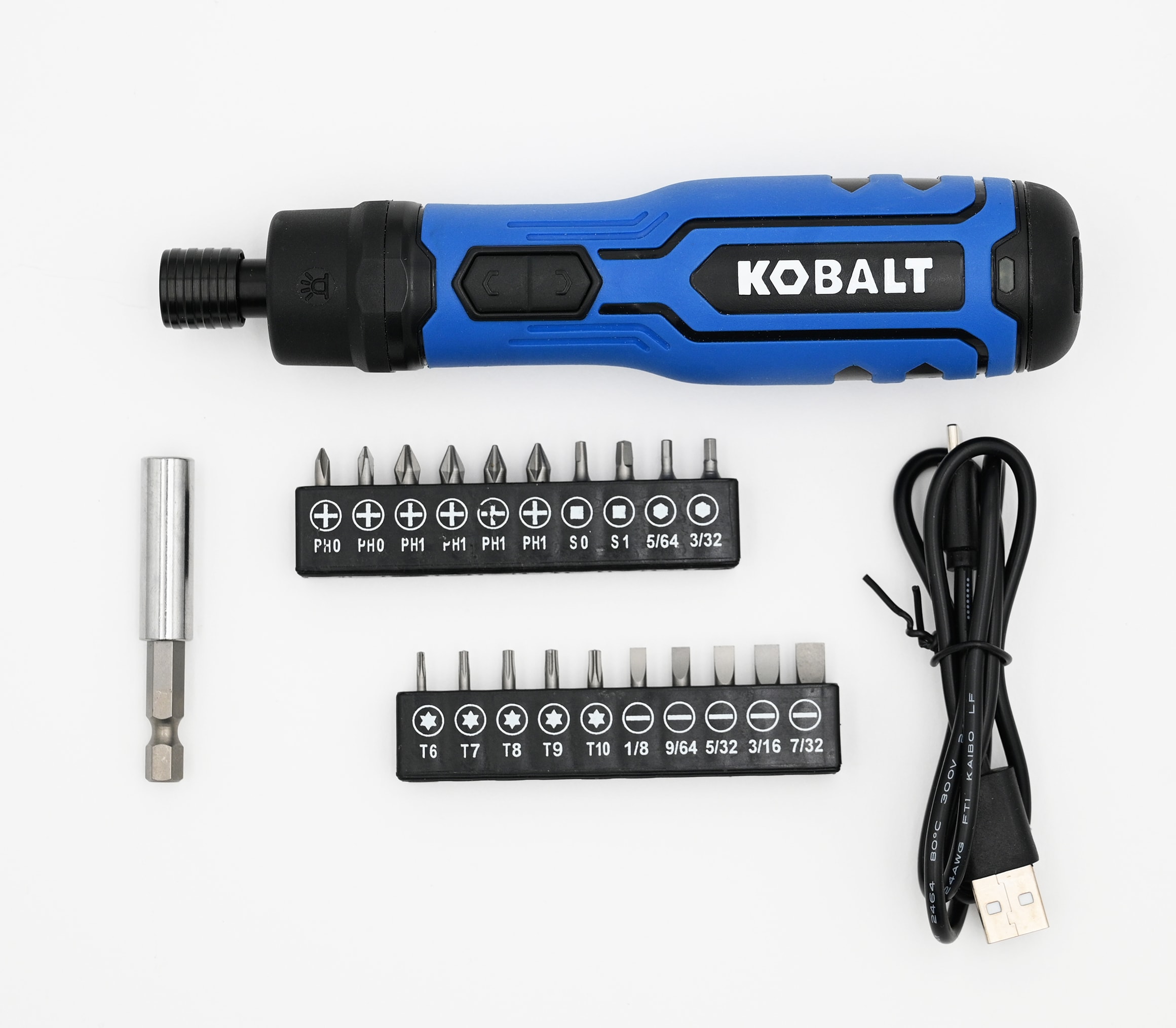
Screwdrivers in multiple sizes and types handle the various fasteners securing fan components. You’ll need both Phillips head and flathead screwdrivers, as blade attachment screws, canopy mounting screws, and bracket bolts come in different drive types depending on the manufacturer. Magnetic screwdrivers prove particularly valuable because they prevent dropped screws from falling into hard-to-reach areas above your ladder—retrieving lost hardware mid-project creates unnecessary frustration and potential safety hazards. Keep both magnetic and non-magnetic options available, as some electrical work benefits from non-magnetic tools that won’t interfere with sensitive components.

A voltage tester belongs in every tool setup for this project, as confirmed earlier. Needle-nose pliers help manipulate wire connections in tight spaces and twist off wire nuts that may have become fused over time. Wire strippers serve as backup tools if any wire damage occurs during disconnection, though ideally you won’t need them. A flashlight or headlamp illuminates the space above the fan where mounting hardware and wire connections are often partially obscured by the fan body. Finally, having a camera or smartphone available to photograph wire connections before disconnecting them provides an invaluable reference for reinstallation or professional consultation if complications arise.

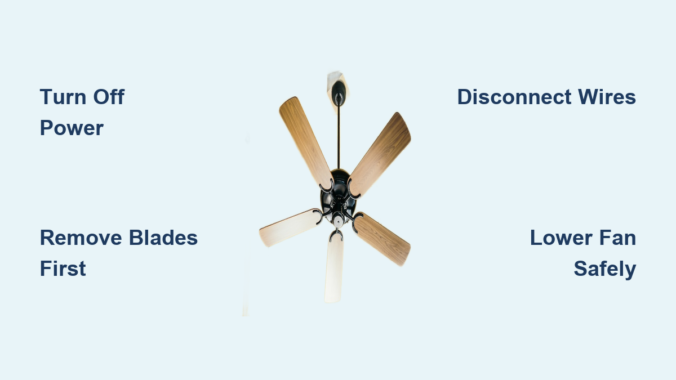
Remove Fan Blades First

Detaching the fan blades before addressing the upper mounting assembly significantly simplifies the removal process and reduces the weight you’ll need to support simultaneously. Each blade attaches to the fan hub or blade arms via screws typically located where the blade meets its mounting point. Work systematically around the fan, removing one blade at a time and setting each aside in a safe location where it won’t be damaged or create a tripping hazard.

Removing blades first accomplishes several objectives beyond simple weight reduction. The process gives you close-up visibility of the fan’s upper components, making subsequent steps easier to navigate. Blades are also relatively fragile—particularly those made from wood or plastic—and removing them prevents accidental breakage while you’re maneuvering the heavier motor housing during final disconnection. If you plan to reuse the fan elsewhere, handling blades separately reduces the risk of cracks, chips, or bent mounting arms that might occur if the entire assembly were lowered carelessly.

Place removed blades flat on the floor or on a clean surface away from your work area. If you’ll be disposing of the fan rather than reusing it, wrapping blades in newspaper or placing them in a bag prevents them from becoming cluttered or causing injury during the final cleanup phase. Taking this step before tackling the upper assembly maintains an organized workspace and reduces the physical burden of managing multiple components simultaneously.

Detach Light Kit Components

Ceiling fans with integrated lighting require additional disassembly steps before the main body can be removed. Begin by removing any glass globes, shades, or decorative covers that shield the light bulbs. These attachments typically release through one of three mechanisms: screws visible around the perimeter, spring clips that release when pressure is applied, or twist-lock arrangements that require rotating the glass counterclockwise to release. Examine your specific fixture to identify its attachment method, then carefully remove the glass components without applying excessive force that might cause breakage.

Once glass components are removed, extract the light bulbs and set them aside for reuse or proper disposal. CFL bulbs require special handling due to mercury content, while LED and incandescent bulbs can typically be recycled with standard household materials. Removing bulbs before handling the fan body prevents accidental breakage during the removal process and eliminates potential injury from broken glass. If any bulbs are still functional, store them in a protective location where they won’t be damaged.

With bulbs and glass removed, you may need to disconnect the light kit wiring from the fan motor assembly if it’s not designed for simple removal. Some light kits unplug from the motor housing via a connector hidden beneath a cover, while others are permanently integrated into the fan design. Taking photographs of the light kit wiring before disconnection provides reference for reinstallation if needed. The goal at this stage is reducing weight and eliminating breakable components rather than complete light kit disassembly—full separation typically occurs when you remove the canopy and access the main wire connections.

Take Down the Canopy Cover

The canopy is the decorative cover that conceals the mounting hardware and electrical connections where the fan meets the ceiling. Removing this component varies slightly between flush-mount and downrod fans, but the fundamental process involves locating and releasing the fasteners that hold the canopy in place. On most fans, visible screws around the canopy’s perimeter secure it to the mounting bracket, though some models hide these screws beneath a decorative cap or ring at the center.

Flush-mount fans present the most straightforward canopy access because the design sits directly against the ceiling with minimal gap. Locate the screws—often two to four depending on the model—and remove them completely, supporting the canopy as the final screw loosens to prevent it from falling. Some flush-mount fans use a twist-lock mechanism where the canopy rotates to align slots with mounting pins, releasing when turned counterclockwise. If your canopy doesn’t release after screw removal, check for additional locking mechanisms or decorative elements that may need manipulation.

Downrod fan canopies attach similarly but require a modified removal sequence because the downrod passes through the center opening. Remove the canopy mounting screws, then lower the canopy down the downrod until it rests on top of the fan motor housing. Don’t attempt to remove the canopy completely at this stage—keeping it attached to the rod prevents it from falling and potentially causing injury or damage. The canopy will hang at the midpoint of the downrod, providing clear access to the wire connections where they emerge from the rod’s top section.

Disconnect Electrical Wiring

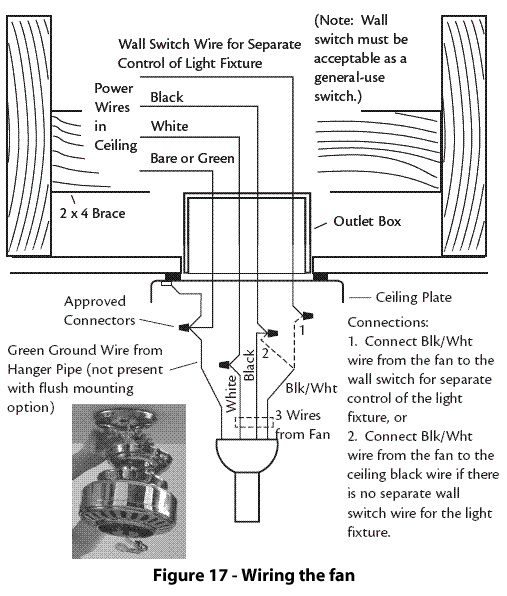
With the canopy lowered or removed, you can now access the electrical connections between the fan and your home’s wiring. These connections typically involve three wires: black (hot), white (neutral), and green or bare copper (ground). Match each fan wire to its corresponding ceiling wire by color, then twist counterclockwise to remove the wire nuts securing the connection. Work methodically, handling one wire pair at a time to prevent accidental contact between live wires.

As you disconnect each wire pair, immediately cap the ceiling wires with their original wire nuts to prevent accidental contact and maintain safety. If any wires appear damaged—showing frayed insulation, signs of overheating like discoloration, or corrosion—note this for future inspection by a professional electrician. These conditions may indicate underlying electrical problems that require attention before a new fixture is installed.

Photograph the wire configuration before disconnection if you haven’t already, as this visual reference proves invaluable during new fixture installation. The photograph captures not only wire colors but also any non-standard configurations that might cause confusion later. After all wires are disconnected and capped, the fan is held in place only by its mechanical mounting, and you can proceed to the final removal steps specific to your fan type.

Remove a Flush-Mount Fan

Flush-mount fans, also called hugger fans, sit directly against the ceiling with minimal clearance between the fan housing and ceiling surface. With wires disconnected and canopy removed, the fan body is secured to the mounting bracket by screws accessible through the bracket’s mounting holes. Before fully releasing these screws, ensure you have adequate support for the fan’s weight—15 to 50 pounds depending on model—by either resting it on a ladder platform or having a helper support it from below.

Remove the mounting bracket screws while maintaining control of the fan body, then carefully lower the fixture from the bracket. Some flush-mount fans include a safety chain connecting the fan to the mounting bracket for additional security—this should be disconnected before complete removal if present. Lower the fan steadily and completely, keeping it oriented to prevent any component from catching on remaining hardware.

With the fan body removed, you may choose to remove the mounting bracket from the electrical box if you’re replacing it with a different style. The bracket is typically secured by bolts or screws that can be removed with appropriate tools. However, if you’re installing a new ceiling fan, the original bracket may be reusable—check that it’s rated for fan support and shows no signs of damage or corrosion. Replace any removed mounting screws in the electrical box holes for future use, as these provide convenient anchors for covering the box or installing new fixtures.

Remove a Downrod Fan

Downrod fans feature a metal rod that suspends the fan body below the ceiling mounting point, and removing this style involves releasing the ball-and-socket joint that connects the downrod to the mounting bracket. With wires already disconnected and the canopy lowered down the rod, the fan is held in place only by the ball joint at the top of the downrod. This joint typically consists of a ball-shaped connector that rests in a socket on the mounting bracket, secured by a retaining pin or set screw.

Check for any securing pins, set screws, or locking mechanisms that might hold the ball joint in place before attempting to release the fan. Some designs simply release by lifting the ball upward and out of the socket, while others require loosening a set screw first. Once any securing elements are released, lift the fan assembly slightly to release the ball from the socket, then carefully lower the entire assembly to the floor. Due to the downrod’s length and the fan’s weight distribution, this step almost always requires two people—one to guide the ball joint out of the socket while another supports the lower end and guides the assembly safely downward.

After removing the fan body, proceed with removing the mounting bracket from the electrical box. Unscrew the bracket’s mounting bolts or extract the screws holding it in place, then carefully remove the bracket from the ceiling cavity. Store the bracket with its hardware if you plan to reuse it for a new fan, or dispose of it according to local regulations if replacing with a new bracket design. The electrical box remains in the ceiling, ready for your next fixture installation.

Handle Hunter Fan Systems

Hunter ceiling fan mounting collar release mechanism

Hunter ceiling fans and certain other premium brands feature a specialized mounting collar system that differs from standard designs and requires specific manipulation techniques for successful removal. The distinguishing characteristic of this system is a black ring located at the top of the fan body, just below where it connects to the mounting bracket. This ring serves as the locking mechanism that releases the fan body from its ceiling mounting.

When removing a Hunter fan with this design, focus attention on the black ring after light kits and blades have been detached. The ring should be twisted approximately a quarter turn in either direction—experimentation with both clockwise and counterclockwise rotation may be necessary depending on the specific model. After rotating, attempt to slide the ring downward to expose the mounting screws that secure the bracket. If the ring rotates freely without any resistance or clicking sensation, the locking mechanism hasn’t engaged properly.

When the ring resists proper engagement, try pulling it downward while simultaneously rotating it through a full 360-degree range. Some Hunter fan models incorporate an internal slot mechanism that requires both pulling action and rotational movement to properly release the fan body. The combination of these motions typically causes the ring to catch and allow the downward sliding motion that reveals the mounting hardware. Applying gentle pressure while manipulating stubborn rings often helps engage locking components that may have accumulated dust or experienced slight corrosion over the fan’s lifespan.

Once the ring is manipulated correctly and slid downward, the mounting screws become visible and accessible for removal. Standard screwdriver techniques apply from this point, allowing complete detachment of the fan body from the ceiling mounting system. If you encounter persistent difficulty with this mechanism despite trying all variations, consider consulting Hunter’s specific installation documentation or contacting a professional installer who has experience with these specialized mounting systems.

Complete Post-Removal Steps

After successfully removing the ceiling fan, proper cleanup and preparation for subsequent steps ensures your ceiling is ready for whatever comes next. Inspect the electrical box that housed the ceiling fan connections to verify it’s in good condition and securely mounted. The box should be firmly attached to a ceiling joist or support brace and show no signs of damage, overheating (indicated by discoloration or melted components), or deterioration. If the box appears damaged or wasn’t originally rated for fan support—which requires special electrical boxes designed to handle the dynamic weight and vibration of operating fans—replace it with an approved ceiling fan electrical box before installing a new fixture.

Cap and secure the electrical wires protruding from the ceiling box using wire nuts, then tuck them carefully into the box itself. This prevents accidental contact with the wires and maintains a clean, safe configuration until you’re ready to install a new fixture. For added safety during this interim period, consider covering the electrical box with a protective cover plate designed for this purpose. If you plan to leave the installation incomplete for an extended period, a simple cover plate provides both safety and a finished appearance.

If you removed the fan to reinstall it elsewhere, carefully pack all components—including the fan body, blades, downrod, mounting bracket, and hardware—in their original packaging if available, or wrap each component in protective material to prevent damage during storage. Label any bags or containers containing hardware to simplify reinstallation, and store the packaged fan in a dry location away from potential impact hazards. For fans being discarded, consider environmentally responsible disposal options: the metal motor housing, steel mounting hardware, and copper wiring are all recyclable. Check with local recycling facilities for their policies regarding electrical fixtures, or contact scrap metal dealers who may accept these materials.

Most ceiling fan removal projects take between 30 minutes and two hours depending on your experience level and the fan’s configuration. First-time removal typically falls toward the longer end of this range as you familiarize yourself with the process. Complications like stripped screws, stubborn mounting hardware, or unexpected wiring issues can extend the timeline significantly, so allocating several hours provides adequate buffer for addressing challenges without rushing. If you encounter wiring configurations that don’t match standard conventions, visible damage to electrical components, or any situation where you feel uncertain about proceeding safely, consulting a licensed electrician is the wisest choice. The cost of professional assistance is modest compared to potential consequences of electrical accidents, and many electricians offer same-day service for fixture removal projects.

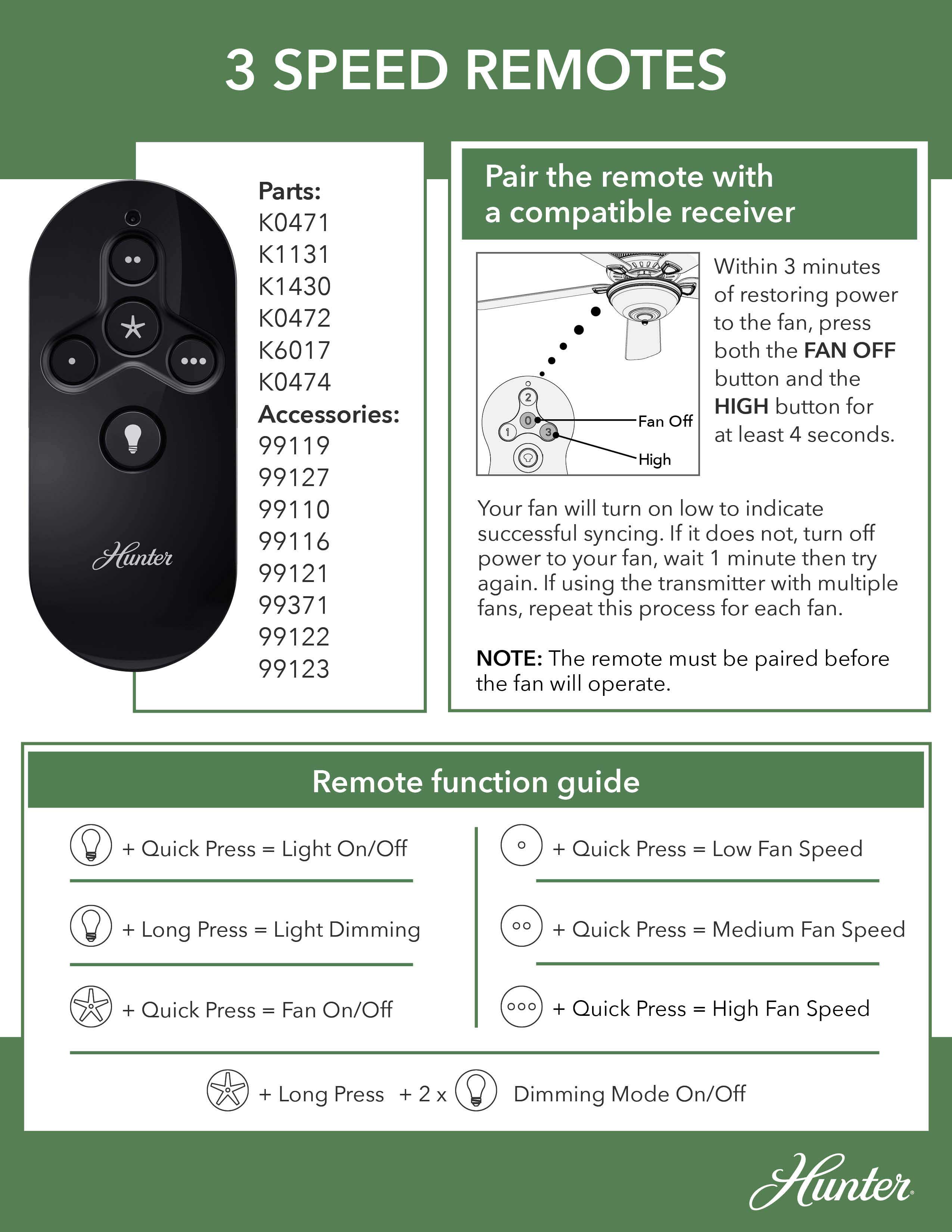
How to Sync Ceiling Fan Remote: Quick Steps


Your ceiling fan remote suddenly stops working mid-summer, leaving you sweltering while you search for the pull chain in the dark. You’re not alone—millions of homeowners face this frustrating problem each year. Learning how to sync ceiling fan remote systems is one of the most common home maintenance challenges, yet most can fix it themselves in under 15 minutes with the right guidance. Whether you’ve just installed a new fan, replaced a broken remote, or your fan has stopped responding to commands, establishing a solid connection between your remote and the fan’s receiver is essential for restoring convenient control over your home’s airflow.

This synchronization process—sometimes called pairing or linking—creates a unique communication channel between these two components so that your remote commands are the only ones your fan obeys. Without proper syncing, your remote becomes little more than a decorative paperweight, forcing you to rely on pull chains or wall switches for basic operation. In this guide, you’ll discover exactly how to sync ceiling fan remote systems for every major type of fan on the market today, with step-by-step instructions that eliminate guesswork and get your fan responding immediately.

Gather Essential Tools Before Remote Syncing

ceiling fan remote tools ladder batteries screwdriver

Before attempting to sync your ceiling fan remote, assemble these critical items to avoid interruptions mid-process. Most failed synchronization attempts happen because homeowners overlook simple preparations like dead batteries or inaccessible components.

Fresh alkaline batteries are non-negotiable for successful pairing—install new AA or AAA batteries in your remote, matching the positive and negative indicators precisely. Weak batteries cannot transmit a strong enough signal for the receiver to learn, even if they still power the remote’s buttons. Never use rechargeable batteries for this process, as their slightly lower voltage often compromises signal strength.

Locate your fan’s receiver inside the ceiling fan housing—a small black box typically positioned near the motor that contains the circuitry interpreting remote commands. You’ll need a sturdy ladder to reach it safely, and the receiver’s Learn or Sync button (usually recessed) must be accessible. Some fan designs require removing the canopy cover, so keep a screwdriver handy. Gather your fan’s user manual if available, as manufacturer-specific instructions often differ from general procedures.

Ensure the fan has power at the wall switch or circuit breaker before starting. The fan should operate normally when controlled by pull chains, confirming that electrical issues aren’t interfering with the remote synchronization process. If the fan doesn’t respond to any control method, address the power supply problem first—attempting to sync an unpowered fan wastes valuable troubleshooting time.

Identify Your Ceiling Fan Remote System Type

ceiling fan remote dip switch 65k frequency

Ceiling fan remotes fall into two primary categories based on their frequency system, and identifying which type you have determines the synchronization method you’ll use. Understanding this distinction prevents wasted time attempting procedures that won’t work for your specific setup.

The 65,000-frequency learning system represents modern ceiling fan remote technology. These remotes use a “learn” function where the receiver captures and stores the remote’s unique identification code during pairing. Look for a small button on your remote labeled “Learn” or featuring a fan/light icon—the absence of visible dip switches typically indicates a learning-system remote. This system offers superior interference protection with 65,000 possible frequency combinations, making it the standard for most fans manufactured in the past decade.

The 16-frequency dip switch system uses physical switches on both the remote and receiver that must be set to matching codes. These small sliding switches, usually four to five in number, can be set to up or down positions. If you see these switches on your remote (typically on the back or bottom) and inside the fan’s receiver, you have a dip-switch system. This older technology requires manual code matching rather than automatic learning.

How to Determine Your Fan Motor Type

Additionally, determine whether your fan has an AC or DC motor, as DC motor fans often use modified synchronization procedures. DC motors are typically quieter and more energy-efficient, often marketed as such. Check your fan’s documentation or examine the motor housing—DC motor fans usually require using the airflow direction button rather than a traditional Learn button during pairing. If your fan has multiple speed settings with exceptionally smooth transitions, it likely has a DC motor requiring the specialized pairing process we’ll cover next.

Sync 65K Frequency Learning Remotes in 3 Steps

The 65k-frequency learning system provides the most straightforward synchronization process for modern ceiling fans. Follow these steps precisely, paying close attention to the timing requirements that many homeowners overlook.

Step 1: Turn off power to your ceiling fan at the circuit breaker and wait exactly 60 seconds—this reset allows the receiver’s electronics to discharge fully. Shorter periods may not fully reset the receiver, while longer waits offer no additional benefit.

Step 2: Restore power and begin the pairing sequence within 60 seconds, as the receiver only remains receptive to new codes briefly after power-up. This narrow window catches many homeowners off guard, so work efficiently.

Step 3: Press and hold the Learn button on your remote for approximately 5 seconds. You may see a small indicator light blink, confirming transmission. After releasing the button, test the connection by pressing various buttons—the fan should respond immediately to speed adjustments and light controls. If nothing happens, repeat the entire process, ensuring you meet all timing requirements exactly.

Configure 16-Frequency Dip Switch Remotes Correctly

ceiling fan dip switch settings diagram

Dip switch remotes require manually setting matching frequency codes on both the receiver and remote. This process involves more hands-on configuration but offers predictable results once the correct code is established.

Start by turning off power to the ceiling fan at the circuit breaker. Locate the dip switches on both the receiver (inside the fan canopy) and the remote control. Set the dip switches on both components to identical positions—every single switch must correspond exactly. Use a small flathead screwdriver to slide each switch carefully into position, then double-check your work before proceeding.

Once both components have matching dip switch settings, restore power to the fan. Test the remote by pressing and holding the fan button—the fan should respond immediately. If the fan doesn’t respond, power it off again and re-examine all dip switches; even a single mismatched switch will break the connection. If multiple attempts fail, try a different dip switch combination, as your initial setting may experience interference from another nearby device.

Pair DC Motor Fan Remotes Using Direction Button

DC motor ceiling fans use a specialized pairing procedure that differs from standard AC motor synchronization. Turn on power to your ceiling fan, then locate the airflow direction button on your remote.

Press and hold the airflow direction button continuously. After a few moments, you should see visual confirmation—the lights will blink twice if your fan has a light kit, or the fan blade will perform a quarter turn back and forth and begin spinning automatically. Once you see this confirmation, release the button and allow the fan to complete its programming sequence (10-30 seconds).

After the fan stops completely, test the connection by pressing and holding the fan button. The fan should respond to all speed settings and control functions. If any functions don’t work, repeat the pairing process from the beginning—DC motors require precise timing during this sequence.

Troubleshoot Unresponsive Remote After Syncing

When your remote fails to respond after attempted synchronization, systematic troubleshooting identifies the specific cause. First, verify you’re within effective range of the fan—most remotes operate reliably within 20 feet with clear line of sight. Thick walls, metal objects, and electronic interference from Wi-Fi routers can significantly reduce range.

Recheck battery status even with new batteries—some discount brands provide lower voltage than expected. Remove batteries and test them in another device, or replace them with quality alkaline batteries. Clean battery contacts with a dry cloth if you notice corrosion.

If the remote still doesn’t respond, the receiver may not have entered learn mode. Turn off power at the circuit breaker, wait 10 seconds, and restore power. Immediately begin the pairing process again, paying careful attention to all timing requirements. Some systems require pressing the Learn button on both the remote and receiver in sequence.

Prevent Multiple Fans Responding to One Remote

A single remote controlling multiple ceiling fans creates frustrating confusion, especially in open-concept homes. This occurs when different fans use identical frequency codes. To resolve this:

Turn off power to all ceiling fans except the one you wish to pair. Follow the standard pairing procedure for that specific fan and its designated remote. Once pairing is successful, move to the next fan, turn its power on, and repeat the pairing process with its specific remote.

Label each remote with the room it controls after pairing completes. This simple step prevents future confusion and ensures household members use the correct remote for each fan. If remotes have been mixed between fans, all fans may need to be re-paired using this individual approach.

Maintain Reliable Remote Performance Long-Term

Replace remote batteries every 6-12 months depending on usage frequency. Mark your calendar or associate battery changes with seasonal transitions. When replacing batteries, use fresh alkaline batteries from reputable brands—cheaper batteries often have shorter lifespans and may leak.

Periodically access the receiver inside the fan housing to inspect and clean it. With power turned off, remove the canopy cover and gently dust the receiver with compressed air. Check wire connections for tightness and signs of corrosion.

Protect your remote from environmental damage—avoid leaving remotes in direct sunlight, near heat sources, or in humid locations. Store remotes at consistent room temperature when not in use, and clean them periodically with a dry cloth. These habits prevent internal electronics from degrading and maintain clear signal transmission to your fan’s receiver.

By following these precise steps for how to sync ceiling fan remote systems, you’ll restore convenient control over your home’s airflow in minutes rather than hours. Remember that successful synchronization depends on matching your specific fan type with the correct procedure—whether you’re working with a 65k-frequency learning system, dip switches, or DC motor technology. When all troubleshooting steps have been exhausted without success, component replacement may be necessary to restore remote functionality.

How to Reverse Ceiling Fan Direction with Remote


Most homeowners never realize their ceiling fan can work smarter, not harder, simply by reversing its rotation. Changing your ceiling fan direction with remote control takes mere seconds but delivers significant comfort and energy savings year-round. If your fan blows air the wrong way for the season, you’re missing out on potential energy savings of up to 10% on heating and cooling costs. This simple adjustment creates the perfect airflow pattern whether you’re trying to beat the summer heat or distribute warm air during winter months.

You don’t need to be a handyman to master this essential home comfort technique. Whether your fan came with a remote when installed or you added one later, this guide gives you the precise steps to flip your fan’s rotation direction instantly. By the time you finish reading, you’ll know exactly how to optimize your ceiling fan for seasonal comfort, troubleshoot common direction-changing problems, and verify your fan is working at peak efficiency.

Locate Your Remote’s Direction Button Immediately

Finding the direction control on your ceiling fan remote is the critical first step that many homeowners overlook. Most modern remotes feature a dedicated direction button prominently displayed with a dual-arrow icon showing circular motion in opposite directions. This button might be labeled “DIR,” “REV,” “FAN DIR,” or simply display the universal direction symbol. On Hampton Bay remotes, it’s typically the third button from the left, while Hunter models often place it near the bottom edge of the remote.

If you can’t spot the direction button after careful examination, check for these brand-specific variations:
– Casablanca fans sometimes hide the direction function under a “Settings” menu
– Harbor Breeze models may require pressing “Light” and “Fan” buttons simultaneously
– Some remotes have a small sliding cover that must be moved to access the direction button

When in doubt, examine the remote with good lighting and press each button while watching the fan—this trial method often reveals which button controls direction. Remember that some older fans, particularly Hunter models, use a pull chain for direction changes even when equipped with a remote for speed and light control.

Execute the Direction Change Correctly on First Try

ceiling fan remote button press sequence

Pressing the direction button properly makes all the difference between a successful rotation change and frustration. Press the direction button once firmly and release immediately—do not hold it down. Most fans respond with an audible “click” from the motor housing within 2-3 seconds as the internal switch engages. Watch the blades carefully; they’ll gradually slow, stop momentarily, then restart spinning in the opposite direction.

If your fan doesn’t respond after pressing the button:
– Reduce fan speed to medium or low first (many fans won’t change direction at high speeds)
– Try pressing the button two or three times in quick succession
– Wait 10 seconds between attempts to allow the receiver to reset

Critical mistake to avoid: Never attempt to change direction while the fan is completely stopped—most remotes require the fan to be running at some speed for the direction command to register. If you’ve just turned the fan on, wait 5 seconds before pressing the direction button.

Set Summer and Winter Directions for Maximum Efficiency

ceiling fan airflow direction summer vs winter diagram

Knowing which direction works best for each season transforms your ceiling fan from a simple air mover to an energy-saving climate control system. For summer cooling, set your fan to rotate counterclockwise when viewed from below. This creates a downward breeze that speeds up evaporation from your skin, making you feel up to 8°F cooler without lowering your thermostat. The faster the fan spins in this direction, the stronger the cooling effect—run it at medium to high speeds when you’re in the room.

During winter months, switch to clockwise rotation at low speed. This gentle upward draft pushes warm air off the ceiling and down along the walls, distributing heat evenly throughout the room without creating a chilling breeze. Run your fan at the lowest speed setting for 1-2 hours after turning on your heating system, then turn it off once the room reaches a comfortable temperature.

Pro tip: Mark your calendar to change fan direction on the first day of spring (March 20) and fall (September 22). This simple habit ensures you never waste energy running your fan in the wrong direction.

Fix Direction Button That Won’t Respond in 5 Minutes

When your remote’s direction button fails, follow this systematic troubleshooting approach before calling for professional help. First, replace the remote batteries with fresh ones—even if the other buttons work, weak batteries often affect the direction function first. Test the remote by turning the fan on and off to confirm basic functionality before attempting direction changes.

Next, check these often-overlooked issues:
– Ensure the fan’s wall switch is in the “on” position (many remotes won’t work if the wall switch is off)
– Verify the manual override switch on the fan motor is set to “remote” mode
– Look for physical obstructions between remote and fan receiver (furniture, decorations)
– Eliminate interference from nearby electronics like routers or cordless phones

If problems persist, reset the remote-receiver connection by turning off the circuit breaker for 60 seconds, then restoring power. Most fans will automatically reconnect within 30 seconds of power restoration.

Reset Remote-Receiver Connection When Direction Fails

Persistent direction control issues often stem from communication breakdowns between your remote and the fan’s receiver. Perform a complete reset using this manufacturer-approved sequence: Turn off power at the circuit breaker for exactly 60 seconds (use a timer), then restore power. Within 15 seconds of power restoration, press and hold the “Learn” button on your remote (usually inside the battery compartment) for 8 seconds.

You’ll know the reset succeeded when:
– The fan lights flash twice
– You hear a distinct double-click from the motor
– The fan automatically starts at medium speed

After resetting, test the direction button immediately while the connection is fresh. Some advanced remotes require you to re-pair all functions—consult your manual if standard reset doesn’t restore direction control. For Hunter fans with remote issues, try the alternative reset by pulling the direction chain once while the fan operates at medium speed.

Modern smart remotes with digital displays require different steps than traditional button remotes. For Casablanca’s iFan02 or similar smart models, press the “Menu” button until “FAN SETTINGS” appears, then use arrow keys to select “ROTATION DIRECTION.” Press “Enter” and choose between “SUMMER” (counterclockwise) or “WINTER” (clockwise) mode. Confirm your selection by pressing “Enter” again and exit the menu.

If your fan connects to smart home systems:
– In the Bond app: Tap your fan > Settings > Rotation > Select direction
– With Alexa: Say “Alexa, set fan direction to summer mode”
– Through Google Home: Open app > Device controls > Tap fan icon > Direction

Important: Smart remotes sometimes require firmware updates for direction control to function properly. Check for updates in your app’s settings menu if direction changes fail consistently.

Confirm Direction Change with Visual Verification

After changing direction, verify the setting actually took effect by observing blade movement from directly beneath the fan. For summer mode (counterclockwise), stand under the fan with your hand raised—you should feel a strong downward breeze. The blades will appear to move from right to left as they approach you. In winter mode (clockwise), the airflow should be barely noticeable, with blades moving from left to right as they approach you.

If you’re unsure about the direction:
– Tape a small piece of tissue paper to a blade tip
– Turn fan on low speed and watch the paper’s movement
– Counterclockwise = paper moves toward the right as it approaches you
– Clockwise = paper moves toward the left as it approaches you

Warning: Never attempt to verify direction by touching the blades, even at low speeds. Use visual indicators only for safety.

Use Pull Chain When Remote Direction Control Fails

When remote direction control proves impossible, many fans have a mechanical backup—the pull chain. Locate the chain hanging from the motor housing (usually near the light kit) and pull it once while the fan operates at medium speed. You’ll hear a distinct click as the direction switch engages. Wait 10 seconds for the fan to complete the direction change.

Pull chain direction changes work differently than remotes:
– First pull: Counterclockwise (summer mode)
– Second pull: Clockwise (winter mode)
– Third pull: Returns to counterclockwise

If the chain feels stiff or produces no click, don’t force it—this could damage the internal switch. Instead, turn off power at the breaker and apply a small amount of lubricant to the chain mechanism before trying again.

Maintain Perfect Direction Settings Year-Round

Once set correctly, your fan’s direction should remain stable through normal operation. However, power surges, electrical interference, or accidental button presses can reset the direction. Establish this simple maintenance routine:
– Check fan direction monthly during extreme weather
– Verify direction after any power outage
– Test direction when seasons change (March and September)
– Clean remote buttons quarterly to prevent sticking

Pro tip: Place a small sticker on your remote indicating current season direction—blue for summer, red for winter. This visual reminder prevents accidental direction changes and helps household members understand proper settings.


Mastering how to change direction of ceiling fan with remote puts you in complete control of your home’s comfort and energy efficiency. By following these precise steps, you’ll never waste money running your fan in the wrong direction again. Take just 30 seconds today to verify your fan’s rotation matches the current season—this tiny adjustment delivers noticeable comfort improvements and measurable energy savings throughout the year. When summer heat arrives or winter chill sets in, you’ll appreciate having this simple skill ready to maximize your ceiling fan’s performance.

How to Convert Ceiling Fan to Remote Control


That frustrating pull chain you can’t reach from bed, the wall switch across the room you must walk to in the dark, or the fan speed you can never quite adjust without getting up—these everyday annoyances vanish when you convert your ceiling fan to remote control operation. This practical electrical upgrade transforms how you interact with one of the most-used fixtures in your home, bringing modern convenience to traditional ceiling fans without replacing the entire unit. Whether your fan was installed last year or two decades ago, universal remote conversion kits work with most major brands including Hampton Bay, Hunter, and virtually any fan following standard wiring conventions. In just an afternoon, you can add remote functionality that puts complete control at your fingertips.

Why Convert Your Ceiling Fan to Remote Control

Bedroom installations see the most dramatic practical improvement—remote control means adjusting fan speed or turning lights on and off without leaving your bed, a genuine quality-of-life enhancement that becomes more appreciated with each use. High-ceiling installations present even stronger cases for conversion, since pull-chain access often requires pole tools or ladder climbing that introduces its own hazards. Vaulted ceilings, two-story rooms, and stairwell-adjacent fans become far more manageable with handheld control.

Energy management improves when fan adjustment requires minimal effort. When reaching pull chains demands physical exertion, many occupants tolerate uncomfortable conditions rather than making adjustments. Remote operation encourages active management of comfort settings—turning fans off when leaving rooms, adjusting speeds for changing conditions, and responding immediately to comfort needs rather than accepting suboptimal settings.

Accessibility considerations make remote conversion particularly valuable for elderly or mobility-impaired residents. The physical action of reaching pull chains or walking to wall switches presents increasing difficulty with age or physical limitation. Handheld remotes positioned within easy reach from seating areas or beds maintain independent fan control without requiring assistance.

Essential Safety Steps Before Conversion

Electrical safety must dominate your thinking throughout any ceiling fan conversion project. Before touching any wiring or accessing the fan’s internal components, you must identify the specific circuit breaker feeding power to the fan circuit and switch it completely off. This step cannot be emphasized strongly enough—working on live electrical circuits poses serious risks of shock, arc flash, and potential electrocution.

Once you’ve switched the breaker to the off position, implement additional safety measures to prevent accidental re-energization while you work. If your electrical panel supports locking mechanisms, engage the lock to secure the breaker in the off position. When panel locks are unavailable, wrap electrical tape around the breaker handle as a basic physical barrier, though this offers less security than a proper lock. Regardless of which method you employ, post a visible warning note on the panel instructing others in the household to leave the breaker alone until the project concludes.

Verifying power removal constitutes an essential step before proceeding with any physical work. While the breaker position provides primary confirmation, using a non-contact voltage tester on the fan’s wiring connections offers definitive assurance that no live current exists. Test the tester on a known live source first to confirm proper function, then verify the absence of voltage at each wire you intend to touch—including black (hot), red (often switched hot), and white (neutral) wires. Only after receiving negative readings across all connections should you consider the circuit safe for work.

Required Tools for Ceiling Fan Remote Conversion

ceiling fan remote control kit tools wire strippers voltage tester screwdrivers

Gathering the right materials before beginning saves frustration and prevents mid-project trips to the hardware store. The primary component is a universal remote control conversion kit, which includes a receiver unit (installed inside the fan canopy) and a handheld transmitter (the remote).

Quality universal kits accommodate wide voltage ranges—premium receivers function across 90V to 265V, making them suitable for virtually any residential setting worldwide. The Cloudpower Universal-Frequency Conversion Kit, available online for approximately $19, represents one popular option offering six speed settings and transmission ranges exceeding 30 meters. The Hampton Bay Universal Remote Control Kit, Model #27157, provides another widely-used option with reliable performance and comprehensive documentation.

Beyond the conversion kit, gather these essential tools:
– Voltage tester to confirm power disconnection
– Wire strippers rated for the gauge of wire in your circuit
– Appropriately sized screwdrivers
– Insulated tools to reduce accident risk
– Wire nuts and electrical tape for secure connections
– Smartphone camera to photograph original wiring configurations

The remote transmitter requires AAA batteries (typically not included with the kit)—purchase these in advance to avoid delays. Consider keeping spare batteries on hand for future replacement.

Single Switch Wiring Conversion Process

ceiling fan wiring diagram single switch remote conversion

The conversion process for a ceiling fan controlled by a single wall switch follows a systematic sequence beginning with accessing the fan’s internal wiring compartment. Most ceiling fans feature a canopy—a dome-shaped cover concealing the mounting bracket and wire connections where the fan assembly meets the ceiling electrical box. This canopy typically attaches through a trim ring design where turning the ring a quarter turn releases mounting screws from keyhole slots, allowing the cover to drop away and expose the wiring compartment.

With the canopy removed, you gain access to the existing wiring configuration. In a standard single-switch setup, you will observe a three-wire cable entering from the ceiling electrical box: a black (hot) conductor providing power, a white (neutral) conductor completing the circuit, and sometimes a red wire indicating a switched connection. The fan itself connects to these ceiling wires through its internal wiring harness—black for fan motor, blue for light kit (if applicable), and white for neutral.

Before disconnecting anything, photograph the original configuration for reference. The original setup likely connected the ceiling black wire directly to the fan’s black wire, the ceiling white wire to the fan’s white wire, and if a light kit exists, a switched hot source connected to the blue light wire. This documentation provides a safety net if you need to reverse the installation.

The remote receiver installation transforms this wiring configuration by inserting the receiver between the ceiling supply and the fan’s internal wires. Connect the ceiling white (neutral) wire to the receiver’s neutral terminal. Connect the ceiling black (hot) wire to the line-in or power-in terminal on the receiver. Connect the fan’s black wire to the receiver terminal labeled for fan control (sometimes marked “fan” or colored red). If your fan includes a light kit, connect the fan’s blue wire to the receiver’s light control terminal (often labeled “light”).

After completing all wire connections, tuck all wires neatly into the junction box without compression or pinching. The receiver unit should seat securely within the available space in the mounting bracket area. Reattach the canopy and trim ring to complete the physical installation.

Dual Switch Ceiling Fan Remote Conversion

Homes with ceiling fans controlled by two separate wall switches—one governing fan operation and another controlling the light kit—require a slightly different approach. This dual-switch configuration presents additional wiring complexity demanding careful planning before beginning conversion work.

Two options exist for converting this configuration:
1. Installing a remote-controlled switch module that replaces one or both existing wall switches
2. Installing a wireless remote control kit with a receiver mounted inside the fan canopy (generally recommended)

For the wireless kit approach in dual-switch configurations:
– Identify the two switched hot wires (typically black and red) entering from the ceiling
– Select one of these wires as the primary power source for the receiver, connecting it to the receiver’s line-in terminal
– Cap off the other switched hot wire with a wire nut and electrical tape
– Connect the fan’s black wire to the receiver’s fan terminal
– Connect the fan’s blue wire to the receiver’s light terminal
– Connect neutral and ground wires as in single-switch configuration

Critical point: Both wall switches must remain in the “on” position after conversion. Since the receiver now controls all switching functions, any wall switch in the “off” position would interrupt power to the receiver and prevent remote operation.

Troubleshooting Common Remote Control Issues

ceiling fan remote control troubleshooting guide diagram

Even with careful installation, operational issues sometimes arise requiring systematic troubleshooting. Understanding common problems and their solutions ensures your remote conversion provides reliable long-term service.

Complete non-operation despite remote button presses suggests:
– Wall switch status—the master switch must remain on
– Breaker position—if tripped, reset it
– Remote batteries—replace depleted batteries
– Receiver indicator lights—confirm power receipt

Intermittent operation or limited range often indicates:
– Signal interference from metallic objects or dense construction materials
– Electronic devices operating on similar frequencies (wireless phones, baby monitors)
– Weak remote batteries—replace with fresh ones

Fan operates but light does not typically indicates:
– Wiring connection issues at the receiver or fan
– Light kit pull-chain switch not in the on position
– Bulb failure—test bulbs in another fixture

Multiple speed settings not functioning suggests:
– The receiver’s speed control circuit may need attention
– Fan’s internal pull-chain speed selector set to fixed low speed—set to maximum

Maintaining Your Remote-Controlled Ceiling Fan

Maintaining your remote-converted ceiling fan involves minimal ongoing effort but several important considerations ensure continued reliable operation.

Remote battery replacement represents the most common maintenance task. Depending on frequency of use and battery quality, remote batteries typically require replacement annually or whenever operation becomes inconsistent. Keep spare AAA batteries available for immediate replacement when needed.

Receiver unit longevity generally matches or exceeds the operational life of the ceiling fan itself, though environmental factors affect this. Heat accumulation within the canopy space, particularly in poorly ventilated attic installations or high-ceiling applications, can accelerate electronic component aging. If receiver failure occurs, replacement receivers are available from kit manufacturers and electrical suppliers—matching the original kit’s frequency and compatibility specifications ensures continued operation with your existing remote.

Remote loss or damage doesn’t mean complete system replacement. Replacement transmitter units can often be purchased separately. Universal remote systems from major manufacturers support replacement remotes that pair with existing receivers.

Wall switch configuration deserves consideration. While the switch becomes unnecessary for daily operation, keeping it functional provides a fallback control method if remote batteries die or the receiver fails. The switch also serves as a dedicated power disconnect for maintenance. Leaving the switch in the on position and covering it with a blank plate maintains the electrical configuration while preventing accidental switching.

Converting your ceiling fan to remote control delivers immediate practical benefits that enhance daily living. The project requires modest investment of time and materials, follows standardized wiring conventions, and produces reliable results when proper safety procedures and installation techniques are followed. Your once-inconvenient pull-chain fan becomes a modern fixture responding to your command from anywhere in the room—comfort and control that makes every day a little easier. Whether you’re upgrading a bedroom fan for nighttime convenience or converting a high-ceiling installation for practical access, ceiling fan remote conversion represents one of the most valuable and immediately noticeable home improvements you can undertake.

Allen Roth Ceiling Fan Remote Not Working: Quick Fix Guide


You’re reaching for your Allen + Roth ceiling fan remote control only to discover it won’t respond—no lights, no fan movement, no light adjustments. This frustrating situation affects thousands of homeowners who suddenly lose convenient wireless control of their ceiling fans. The good news is that most Allen + Roth ceiling fan remote failures stem from just a handful of common issues you can diagnose and fix yourself in under 30 minutes. Whether your remote has stopped working entirely, responds only intermittently, or seems to have lost connection to your fan, systematic troubleshooting will identify the problem and get your wireless control back. This comprehensive guide covers every potential cause, from simple battery replacements to receiver module failures, helping you restore functionality without unnecessary parts purchases or expensive service calls.

Before replacing any components, work through these troubleshooting steps in order. Most remote control problems resolve within the first few checks, saving you time, money, and the frustration of unnecessary component replacement. By following this methodical approach, you’ll eliminate guesswork and pinpoint the exact issue affecting your specific Allen + Roth ceiling fan system.

Replace Remote Batteries Immediately

Dead or improperly installed batteries account for more than 60% of all Allen + Roth ceiling fan remote failures. Before diving into complex electrical diagnostics, start with this simplest solution that takes less than two minutes.

Open the battery compartment on your remote and examine the batteries closely. If your remote has an indicator light that fails to illuminate when buttons are pressed, this strongly suggests battery-related issues. Remove the existing batteries and check their voltage with a tester, or simply replace them with a fresh set as a diagnostic step. When installing new batteries, ensure they match the correct polarity orientation indicated inside the compartment—positive and negative ends must align precisely with the corresponding markings. Batteries can gradually work loose from their compartment due to vibration and normal household movement, so pressing them firmly into place after installation ensures secure contact.

If the remote still shows no signs of life after battery replacement, try a second fresh set of batteries. Occasionally, new batteries from a package may be defective or partially depleted. Testing with a known-good set eliminates battery quality as the variable. Once you’ve confirmed the remote powers on—indicated by a light or display—test all buttons to ensure consistent operation across different functions.

Confirm Wall Switch Is On

Ceiling fan remotes require consistent electrical power to both the receiver module and the fan itself. The wall switch controlling your Allen + Roth fan must remain turned on for remote operation to function, as this switch provides primary power to the receiver unit hidden in the ceiling canopy.

Locate the wall switch that controls your ceiling fan and verify it is in the “on” position. Many homeowners accidentally flip this switch off during routine lighting adjustments, completely cutting power to the remote receiver without realizing it. If the switch has been turned off, simply flip it back on and test your remote immediately. Some Allen + Roth fan installations include a separate pull chain switch on the fan itself—ensure this hasn’t been accidentally engaged in a way that bypasses remote control.

If the wall switch appears functional but power seems uncertain, check your home’s circuit breaker panel. A tripped breaker serving the bedroom or room containing the fan would prevent all electrical operation. Reset any tripped breakers and wait several minutes before testing the remote again.

Tighten Ceiling Canopy Wire Connections

Allen + Roth ceiling fan canopy wiring diagram

The ceiling canopy—the decorative cover where your Allen + Roth fan mounts to the ceiling—houses critical electrical connections that frequently cause remote control failures when they degrade or loosen over time. These connections link your home’s electrical wiring to the fan’s receiver module, and any interruption here affects remote operation.

Turn off power at the circuit breaker before accessing any ceiling connections. Remove the canopy cover by loosening the mounting screws, typically located on the sides of the canopy where it meets the ceiling. With the cover lowered, you’ll see the receiver module and wire connections secured with wire nuts. Gently tug on each wire connection under its wire nut to check for looseness—if a connection pulls free with gentle tension, you’ve found your problem. Even connections that seem secure should be disconnected and reconnected to ensure optimal contact, as corrosion and oxidation can develop on connection points over time.

Examine the receiver module itself for visible signs of damage, burning, or component failure. The module should feel solid and securely mounted—not loose or rattling inside the canopy. Look for discoloration, melting, or a burning smell that indicates electrical damage.

Match Dip Switch Positions Exactly

Allen + Roth ceiling fan dip switch settings

Allen + Roth ceiling fan remotes and their corresponding receivers communicate using dip switches—small toggle switches that establish a unique frequency code. If these switches don’t match exactly between the two components, the remote cannot send commands that the receiver understands.

Locate the dip switches inside your remote control’s battery compartment. They’re typically arranged in a row of four to eight tiny switches that can be slid up or down. Next, access the receiver module in your ceiling canopy to find its dip switches—location varies by model but they’re usually visible on the receiver circuit board. Compare the position of every single switch between the remote and receiver. Every switch must be in the identical position on both units for communication to occur.

If you find any mismatched switches, adjust them on either the remote or the receiver to create an exact match. This resynchronizes the communication between components and often resolves remote failures that developed without any other apparent cause. Dip switch codes sometimes change accidentally during battery replacement when the remote is handled, or when the receiver is disturbed during maintenance.

Perform Complete Remote Reset Procedure

When dip switches match but communication still fails, the receiver’s memory may need clearing through a complete reset procedure. This power cycle forces the receiver to clear its electronic state and re-establish communication with the remote.

Begin by turning off power to the ceiling fan at the wall switch. Alternatively, switch off the circuit breaker serving the fan for a more complete power cut. Leave the power off for at least 30 seconds to allow the receiver’s capacitors to fully discharge and clear any temporary electronic states. This waiting period is essential—rushing the reset by turning power back on immediately often results in incomplete reset and persistent issues.

After the waiting period, restore power and immediately attempt to operate the fan using the remote control. If basic power cycling doesn’t restore functionality, perform a more deliberate pairing procedure. Turn off power at the circuit breaker and wait a full minute before restoring power. Once power returns, locate the pair, sync, or reset button on your remote (often inside the battery compartment or on the remote face). Press and hold this button for several seconds until you receive confirmation of successful pairing. Confirmation indicators vary by model but may include a visible light on the remote, an audible beep, or movement in the fan blades themselves.

Eliminate Signal Interference Sources

Remote control signals can be disrupted by other electronic devices operating on similar radio frequencies. If your Allen + Roth remote works only when you’re standing directly beneath the fan but fails from across the room, interference or range limitations are the likely culprits.

Common interference sources include:
– Wireless routers
– Baby monitors
– Cordless phones
– Neighboring garage door openers
– Other remote controls

Walk through your home with the remote and a phone, noting whether interference patterns correlate with specific devices or locations. Temporarily disable potential interference sources to test whether remote function improves. Verify you’re operating the remote within its effective range—typically 25-30 feet for most Allen + Roth models.

Inspect the fan’s signal receiver sensor for obstruction or contamination. The infrared or radio frequency sensor inside the fan assembly can accumulate dust, debris, and cobwebs that impede signal reception. Gently clean the sensor area with a soft, dry cloth, ensuring no decorative elements, fan blades, or other components physically block the sensor’s line of sight.

Replace Failed Receiver Module

Allen + Roth ceiling fan receiver module replacement

After exhausting all troubleshooting steps, component failure becomes the most likely explanation. Two components typically fail: the receiver module or the remote control itself.

Receiver module failure occurs when there is absolutely no response from the fan or light when using the remote, despite verified power, proper connections, confirmed dip switch matching, and successful pairing procedures. The receiver module translates radio frequency signals from the remote into electrical commands for your fan and light. When this module fails, it no longer responds to any remote commands regardless of the remote’s condition. Replacement receivers can be purchased from the manufacturer or compatible third-party suppliers. Installation requires electrical work and should only be performed by those comfortable with electrical safety practices or by a licensed electrician.

When to Contact Allen + Roth Support

Some situations require professional assessment rather than continued DIY troubleshooting. If you complete all troubleshooting steps without success, or if you feel uncomfortable working with electrical connections, a licensed electrician can provide expert diagnosis and repair.

Before pursuing professional repair, contact Allen + Roth customer support for guidance specific to your fan model and warranty coverage information. Your fan may still be under warranty, which could cover parts or service costs. Additionally, if you notice any signs of electrical damage beyond simple component failure—such as scorched wiring, burning smells, sparking, or frequent breaker tripping—immediately turn off power at the breaker and contact a professional.

Prevent Future Remote Failures

Regular maintenance prevents unexpected remote failures and extends the life of your ceiling fan control system. Implementing a simple inspection schedule catches developing issues before they cause complete failure.

Periodically inspect your ceiling fan’s electrical connections, particularly if the remote has malfunctioned before or if the fan has operated for an extended period without maintenance. Check that all wire connections in the ceiling canopy remain tight and free from corrosion. Verify the receiver module stays securely mounted and shows no signs of damage or overheating. Replace remote control batteries proactively every twelve months as preventive maintenance rather than waiting for complete failure. Keep a spare set of quality batteries in a drawer specifically for your ceiling fan remote to avoid interruptions when batteries die.

By following this systematic troubleshooting approach, you address the most common causes of Allen + Roth ceiling fan remote control failures while minimizing unnecessary parts replacement and professional service calls. Start with the simplest solutions—battery replacement and power verification—before progressing to more complex diagnostics. Most remote control issues resolve within the first few troubleshooting steps, restoring your fan’s convenient wireless operation quickly and efficiently.

Ceiling Fan Remote Wiring Diagram: Easy Setup Guide


Installing a ceiling fan with remote control capability transforms how you manage comfort in your home, but the wiring process presents challenges that trip up many DIY enthusiasts. The complexity isn’t in the fan itself—it’s in integrating modern wireless control systems with existing household electrical configurations. Whether you’re replacing an existing fan or tackling a new installation, understanding the wiring diagram for your ceiling fan remote system means the difference between a seamless upgrade and a frustrating project that leaves you calling an electrician.

The good news is that most ceiling fan remote installations follow predictable patterns once you understand the fundamental principles. This guide walks you through every configuration you’ll encounter, from straightforward single-switch setups to complex dual-switch integrations. You’ll learn exactly how to interpret wiring diagrams, avoid dangerous mistakes, and ensure your installation meets electrical code requirements. By the end, you’ll have the knowledge to tackle your installation with confidence—or at least communicate effectively with whoever does the work for you.

Remote System Components Overview

A ceiling fan remote system consists of two essential components that work together to give you wireless control over fan speed, lighting, and sometimes direction. The handheld transmitter is the remote you carry around the house, sending radio frequency signals to control your fan. The receiver module is the less visible but equally important component—it’s installed either within the fan assembly or sometimes in the ceiling electrical box, interpreting those signals and routing power to the appropriate fan functions.

The receiver module is where the real electrical work happens. Think of it as a traffic cop for electricity: it receives incoming power from your home’s wiring, processes the signals from your remote, and then distributes conditioned power to the fan motor and light kit based on what you want the fan to do. This architecture explains why proper wiring matters so much—the receiver expects power to flow in a specific direction, and violating that expectation creates both safety hazards and functional problems.

Understanding the difference between input and output connections on your receiver is crucial for any ceiling fan remote wiring diagram interpretation. The input side connects to your home’s electrical system and receives raw 120-volt power. The output side connects to the fan assembly, delivering controlled power to the motor and lights. Every wiring mistake that creates problems in remote installations ultimately traces back to confusing these two sides or connecting them incorrectly.

Single Switch Wiring Configuration

The simplest ceiling fan remote installation involves a single wall switch that previously controlled the entire fan and light assembly. In this configuration, the wall switch becomes essentially a master power disconnect, while the remote receiver handles all the nuanced control over speed and lighting. This setup works beautifully when you don’t need independent wall switch control of fan and light functions—the remote provides complete control anyway.

In this configuration, the wiring diagram is straightforward. The incoming hot wire from your ceiling connects to the input side of the remote receiver. All the neutral wires bundle together—the white from the ceiling, the white input on the receiver, and the white wire from the fan assembly. The output wires from the receiver then connect to the fan motor and light kit, with black typically controlling the fan and blue controlling the lights.

Pro Tip: This installation typically takes 30-45 minutes for experienced DIYers. Look for matching wire colors between your receiver and fan assembly—most manufacturers follow standard color conventions. If you see a yellow wire, it likely controls direction reversal on Hunter fans.

The wall switch in this setup serves one critical purpose: it ensures the fan system can be completely de-energized when you’re not using it. When the switch is off, no power reaches the receiver, so the remote can’t activate the fan. When the switch is on, the receiver has power and can respond to remote commands. This arrangement is safe, code-compliant, and remarkably simple once you understand which wires go where.

Dual Switch Integration Solutions

ceiling fan dual switch wiring diagram with remote receiver

The dual switch configuration is where most ceiling fan remote installations get complicated. If you have two separate wall switches that originally controlled the fan motor and light kit independently, you’re dealing with a dual-switch setup, and integrating remote control requires careful planning to maintain functionality while adding wireless capability.

The fundamental challenge is that a standard remote receiver needs to be the intermediary for all controlled functions. When two switches already control different aspects of the fan, you have to decide which switch provides power to the receiver and what happens to the other switch. The most common approach dedicates one switch to power the receiver while the other switch becomes non-functional or controls a different circuit entirely. This sacrifices independent wall control but enables full remote functionality.

Why Your Dual Switch Installation Fails

Many homeowners encounter problems because they try to preserve both wall switches while adding remote control. This almost always creates dangerous back-feeding conditions. When you connect a wall switch to the output side of the receiver (between receiver and fan), you’re reversing the expected power flow. This might work temporarily but creates serious shock hazards and will eventually damage your receiver.

Feasibility depends heavily on what wires exist in your ceiling electrical box. Homes wired with 12-3 or 14-3 cable (containing black, red, and white conductors) provide the flexibility for various configurations because you have separate conductors for fan and light circuits. Homes with only 12-2 or 14-2 cable (black, white, and ground) lack the extra conductor needed for true independent control and limit your options. Before starting any dual-switch integration, examine what’s in your ceiling box to understand what you’re working with.

Wire Color Conventions Explained

electrical wire color codes ceiling fan installation

Mastering wire color conventions is essential for interpreting any ceiling fan remote wiring diagram correctly. These colors aren’t arbitrary—they follow established conventions that tell you what each wire does in the electrical system. Understanding them prevents dangerous mistakes and helps you diagnose problems when things don’t work as expected.

Black wires carry ungrounded (hot) current through your electrical system. In ceiling fan installations, black wires might be incoming power from the ceiling, switched power to the fan motor, or even travelers in multi-switch configurations. The key is to trace each black wire to understand its specific function rather than assuming all black wires are equivalent.

White wires serve as grounded (neutral) conductors, providing the return path for current in properly functioning circuits. In ceiling fan remote installations, neutral connections are critical for the receiver’s electronics to operate. You’ll typically bundle three white wires together: one from the ceiling, one going to the receiver input, and one from the fan assembly.

Green and bare copper wires provide equipment grounding, connecting accessible metal parts to the building’s grounding system. These wires should always connect together and to any grounding screws or metal boxes in the installation. Never ignore grounding connections—they protect you from shock hazards if something goes wrong.

Blue wires in ceiling fan assemblies specifically control lighting circuits, while yellow wires may indicate secondary speed controls or direction reversal functions depending on the manufacturer. Red wires commonly serve as switched hot conductors in dual-switch configurations, carrying power from one switch to the load. Always consult your specific fan’s documentation, as wire functions can vary between manufacturers.

Essential Safety Precautions

Electrical work carries real risks that demand respect. Before touching any wires for your ceiling fan remote installation, turn off power at the circuit breaker and verify the power is actually off using a non-contact voltage tester. This isn’t optional—contact with live electrical conductors can result in severe injury or death. Test at both the ceiling electrical box and any wall switch locations to confirm all related circuits are de-energized.

The testing process should become habit before you touch any wire. Even if you turned off what you believe is the correct breaker, verify with a tester. Breakers are sometimes mislabeled, and assumptions about which circuit controls which fixture have led to electrocutions. A $20 voltage tester is one of the most important tools you can own for electrical work and might save your life.

Beyond the immediate shock hazard, improper electrical installations create long-term dangers. Loose connections generate heat that can damage equipment and ignite fires. Back-feeding current through receiver output terminals creates shock hazards that may not manifest immediately but exist regardless. Code requirements exist because someone learned the hard way that certain practices are dangerous—following those requirements protects you and future occupants of your home.

Step-by-Step Installation Process

Beginning your ceiling fan remote installation requires methodical preparation before you touch a single wire. Start by gathering your tools: a voltage tester, wire strippers, screwdrivers, and wire nuts in various sizes. Having everything within reach prevents shortcuts that lead to mistakes. Read through your fan’s installation instructions and your remote receiver’s documentation before starting—different manufacturers may have specific requirements that apply to their equipment.

With power confirmed off at the breaker, remove the existing fan or fixture from the ceiling electrical box. Take photographs of the existing wire connections before disconnecting anything—these images provide invaluable reference when reconnecting everything. Note which wires connected to which terminals and how the grounding was configured. This documentation is especially critical if you’re working with a complex dual-switch setup.

Critical Grounding and Neutral Connections

  1. Grounding first: Connect all bare or green grounding conductors together: the ground from the ceiling, the ground on the receiver module, and the ground from the fan assembly. Twist these together securely and cap with an appropriate wire nut.

  2. Neutral connections next: Bundle the white wire from the ceiling, white input wire on the receiver, and white wire from the fan assembly. If your receiver has dual white wires labeled “to ceiling” and “to fan,” connect accordingly.

  3. Hot input connection: Connect the black wire from the ceiling to the black input wire on the remote receiver. This conductor provides the incoming power that runs the receiver’s electronics.

  4. Output connections: Connect the black output wire from the receiver to the black wire in the fan assembly (controls fan motor). Connect the blue output wire from the receiver to the blue wire in the fan assembly (controls light kit).

Double-check all connections before restoring power. A single misplaced wire can damage your receiver or create dangerous conditions. After power restoration, test the remote at various distances to verify proper operation.

Avoiding Back-Feeding Hazards

ceiling fan remote back feeding diagram

Back-feeding represents one of the most dangerous and unfortunately common mistakes in ceiling fan remote installations. This practice involves connecting a wall switch to the wires between the receiver output and the fan assembly, allowing power to flow in the opposite direction the receiver circuitry expects. It might appear to work—some installations function for years before failing—but the hazards are real regardless of whether problems have manifested.

Why back-feeding is always dangerous:
– Receiver electronics are designed for one-way power flow
– Creates shock hazards at switch locations
– Violates electrical code requirements
– Will eventually damage the receiver module

Professional electricians never install receiver systems with back-feeding, and manufacturer instructions never specify this configuration. The absence of immediate failure doesn’t indicate safety—it indicates that a hazard exists without yet having produced visible consequences. Electrical safety organizations consistently warn against this practice because they’ve seen the injuries and property damage that result when the hazard finally manifests.

If your current installation involves back-feeding, correct it immediately even if it appears to work. The risk isn’t worth the convenience of maintaining switch functionality. Safe alternatives exist that provide the control you want without the hazards back-feeding creates.

Brand-Specific Wiring Notes

Hampton Bay universal remote systems, particularly the Model # 191-707, use a receiver designed for ceiling installation rather than wall switch mounting. The receiver has three wires connecting to the fan assembly (black-blue-white configuration) and two wires connecting to AC power (white-black). The control unit sends commands through the power wiring itself rather than radio frequency, eliminating the need for a separate signal conductor. This design affects how you integrate it with existing switch configurations.

Hunter ceiling fans with remote capability use receiver modules with wire configurations that differ from universal systems. Successful integration often requires specific wire mapping that preserves some wall switch functionality while enabling remote control. Documentation from the installation date becomes critical when maintaining or replacing these systems years later.

Lutron offers an alternative approach that some homeowners prefer: fan switches and light dimmers installed without remote receivers. This approach eliminates the receiver module entirely while preserving independent wall control of fan speed and light intensity. The tradeoff is losing remote control capability, though some Lutron systems offer smart home integration that provides app-based control as an alternative.

Maintenance Tips for Reliable Operation

Periodic inspection of your ceiling fan remote system catches potential problems before they become dangerous. Annually, turn off power at the breaker and remove the fan canopy to inspect all wire connections. Check for signs of overheating—discoloration, melting, or burned smells indicate problems that need immediate attention. Tighten any connections that have worked loose due to vibration.

The remote control battery deserves proactive replacement even before it fails completely. Mark your calendar to replace the battery every twelve months as preventive maintenance. This eliminates the surprise of a dead battery at an inconvenient moment and ensures reliable remote operation when you need it.

Keep the remote control itself clean and protected. Button contacts can accumulate debris that affects reliability, and dropped remotes can suffer internal damage that isn’t visible from the outside. If your remote shows physical damage or has been dropped, consider replacing it rather than risking intermittent operation at an inconvenient time.

Key Takeaways for Successful Installation

Understanding the fundamental principles behind ceiling fan remote wiring diagrams transforms a confusing project into a manageable task. The receiver module has specific input and output sides that must be respected—power enters on the input side and exits on the output side to controlled loads. Violating this distinction creates both immediate hazards and long-term reliability problems that cost more to fix than doing it right the first time.

Single-switch configurations are straightforward and work well for most applications. Dual-switch configurations require careful planning and may involve sacrificing some wall switch functionality to achieve safe remote integration. Always verify what’s in your ceiling electrical box before purchasing equipment, as older homes with limited wiring options face more constraints.

Safety should never be compromised for convenience. If a configuration requires back-feeding or other unsafe practices, it isn’t a valid solution regardless of how well it might appear to work. Licensed electricians exist precisely because electrical mistakes can kill people, and there’s no installation worth risking your life over.

« Older posts Newer posts »

© 2026 Hampton Fan Reviews

Theme by Anders NorenUp ↑