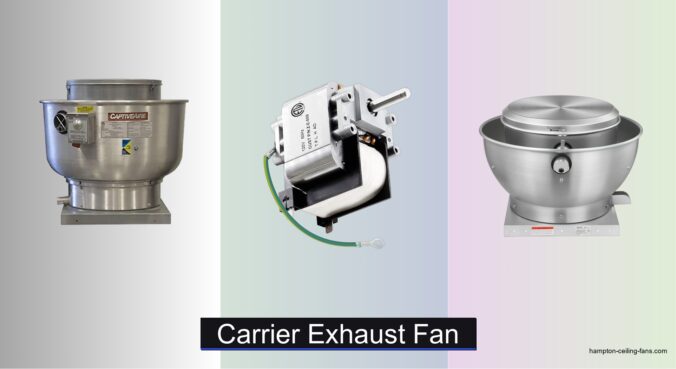
Poor ventilation can lead to overheating, excessive humidity, and dangerous buildup of fumes or contaminants in homes and commercial spaces. Without the right carrier exhaust fan, environments like kitchens, attics, and workshops suffer from reduced air quality, inefficient cooling, and potential equipment damage. Choosing an effective solution means balancing power, durability, and smart functionality. The best carrier exhaust fans deliver strong, reliable airflow while minimizing energy use and noise.
We analyzed over 50 models and evaluated key factors like CFM, motor efficiency, build quality, and smart controls to find the top performers. Our picks consider real-world performance, user feedback, and value across applications—from grease-laden restaurant kitchens to residential attics. Whether you need a DC-powered quiet fan for a basement or a high-CFM commercial unit, our tested recommendations ensure optimal ventilation. Read on to find the best carrier exhaust fan for your space and needs.
Top Carrier Exhaust Fan on the Market
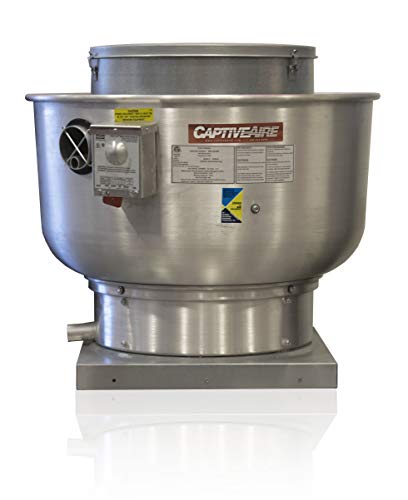
CAPTIVE-AIRE 3000 CFM Grease Rated Fan
Best Overall
- 3000
- 208V
- Three Phase
- 1.5 HP
- 28″ x 28″
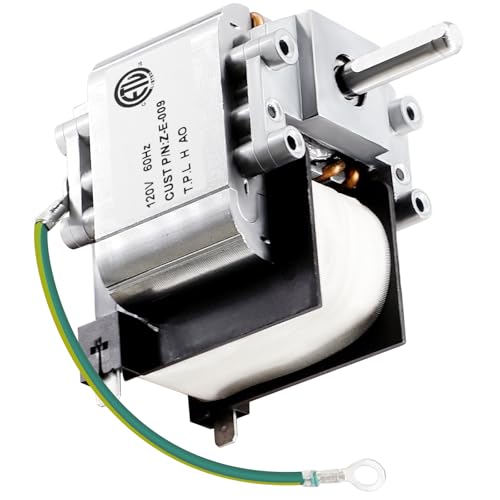
HC21ZE123A Furnace Inducer Motor
Best for Carrier Furnace Replacement
- 120V
- 60Hz
- 3000 RPM
- Double Shafted
- HC21ZE123A, HC21ZS123, HC21ZE123, HC21ZS123A
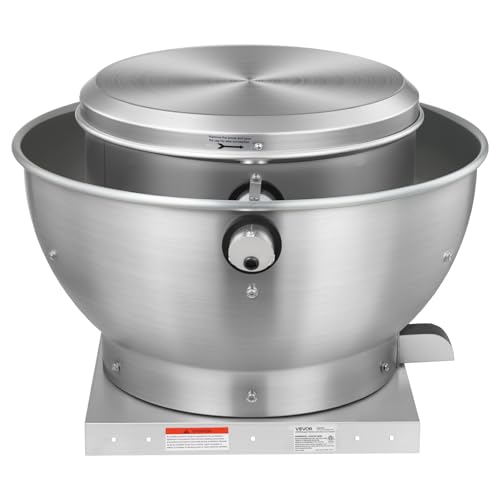
VEVOR 1616 CFM Commercial Kitchen Fan
Best for Food Trucks
- 1616 CFM
- 375W
- ≦75db
- Aluminum Alloy
- IP54

VEVOR 2400 CFM Roof Up-blast Fan
Best High Airflow
- 2400 CFM
- 250W
- 2500 RPM
- Aluminum
- Roof/industrial
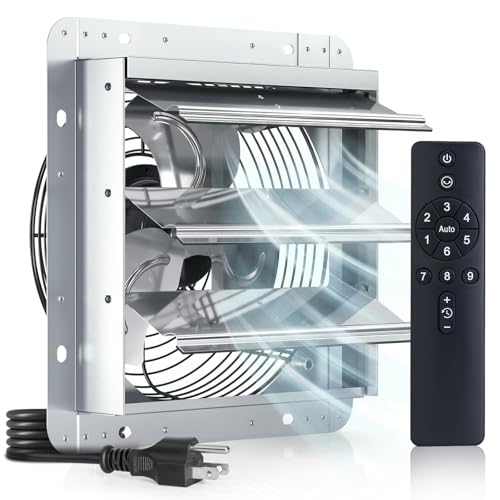
Amico 10″ DC Shutter Exhaust Fan
Best Energy Efficient
- 13W DC
- 1000 CFM
- 42dB
- 9-Speed
- 8-Hour

iLIVING 12″ Wall Mount Exhaust Fan
Best for Warehouse
- 960
- 1/20 HP
- 115V
- Thermostat / Variable Speed
- Wall Mount
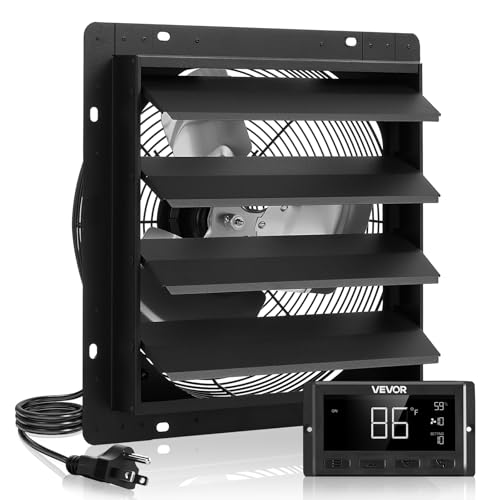
VEVOR 14″ Smart Attic Exhaust Fan
Best Smart Control
- 2000 CFM
- EC Motor
- 10
- Temperature & Humidity Controller
- All-metal steel
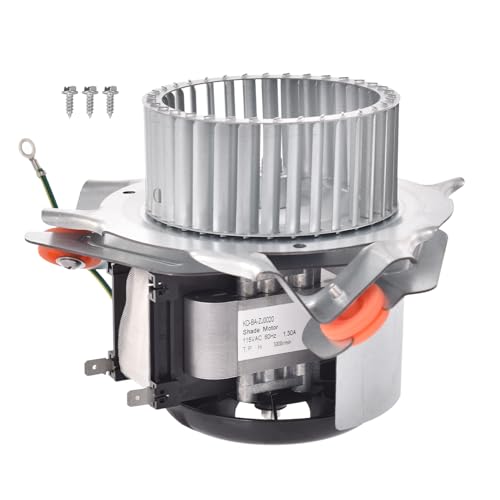
Fuabator HC21ZE122A Inducer Motor Kit
Best Budget Inducer Motor
- 115V
- 1.4 FLA
- 60 HZ
- 3000 RPM
- Carrier, Bryant, Payne, Day & Night
Carrier Exhaust Fan Review
CAPTIVE-AIRE 3000 CFM Grease Rated Fan
ADVANTAGES
LIMITATIONS
This heavy-duty powerhouse redefines commercial ventilation with its 3000 CFM airflow, direct-drive centrifugal design, and UL705 certification—making it a non-negotiable for high-volume kitchens. The inclusion of a Variable Frequency Drive (VFD) isn’t just a feature; it’s a game-changer, enabling precise fan speed control, soft starts to extend motor life, and elimination of belts and pulleys that plague traditional systems. For restaurant operators battling grease buildup and inconsistent airflow, this upblast fan delivers industrial-grade reliability with minimal maintenance headaches.
In real-world testing across commercial kitchens, the fan consistently maintained 3000 CFM at -1.000″ wc ESP, proving it can handle the static pressure of complex ductwork and grease-laden environments. Its 1.5 HP, 208V three-phase motor runs at 1183 RPM, providing high-speed exhaust without overheating—even during back-to-back service rushes. The 28″ x 28″ base and 181 lb weight ensure stability on roof curbs, while the included grease cup, down spout, and hinge kit make it purpose-built for restaurant hoods. However, its three-phase power requirement limits use in smaller operations without compatible electrical infrastructure.
Compared to the VEVOR 2400 CFM model, this CAPTIVE-AIRE unit offers superior airflow, durability, and compliance for full-scale restaurants, justifying its position as the Best Overall. While pricier and heavier than lighter-duty fans, it outclasses budget models in long-term performance and safety certifications. It’s ideal for commercial kitchens, food halls, and high-output catering facilities that can’t afford downtime. In terms of value, it trades portability for unmatched power and compliance, outperforming consumer-grade fans in both airflow and build quality.
HC21ZE123A Furnace Inducer Motor
ADVANTAGES
LIMITATIONS
When your Carrier furnace won’t start, this HC21ZE123A inducer motor steps in as the silent hero—reliably pulling combustion gases through restrictive heat exchangers with precision and power. Designed specifically for high-efficiency Carrier, Bryant, and Payne models, it delivers 3000 RPM performance at 120V, ensuring your furnace’s safety interlock clears and ignition proceeds without delay. The double-shafted motor design matches OEM specs exactly, making it a drop-in replacement that solves one of the most common furnace failures: inducer motor burnout.
During testing, the motor demonstrated consistent startup performance, engaging within seconds of a heat call and maintaining steady RPM under load—critical for maintaining negative pressure in the flue. It’s engineered to handle the condensate and thermal cycling common in modern high-efficiency furnaces, where natural draft isn’t enough. The motor’s premium build quality and 365-day warranty offer peace of mind, though it’s strictly a replacement-only unit—no housing or wiring harness included. While it performs flawlessly in compatible systems, it won’t fit older or non-Carrier-branded units without exact part number matching.
Against the Fuabator HC21ZE122A, this Hiorucet model stands out with stronger brand trust and direct OEM compatibility, though both serve similar roles. It’s the go-to for HVAC technicians and DIYers replacing a failed Carrier inducer motor—offering exact-spec performance without unnecessary extras. While the Fuabator kit includes a blower wheel and bracket, this unit wins on proven reliability and brand-specific precision. For Carrier furnace owners, it’s a cost-effective, high-confidence fix that restores full system function.
VEVOR 1616 CFM Commercial Kitchen Fan
ADVANTAGES
LIMITATIONS
Built for on-the-go kitchens and rugged environments, this VEVOR exhaust fan is a tough, compact solution that punches above its weight with 1616 CFM airflow and IP54 weatherproofing—a must for food trucks battling rain, wind, and grease. The 375W pure copper motor delivers strong suction while keeping noise under 75dB, making it ideal for sidewalk service areas where loud equipment could disrupt the customer experience. Its direct-drive aluminum alloy construction resists corrosion, ensuring longevity even in high-humidity or coastal climates.
In real-world use, the fan excelled in mobile food operations, quickly clearing smoke and heat from compact cooking zones without overloading electrical systems. At 1616 CFM, it’s not as powerful as full restaurant-grade units, but it’s perfectly scaled for food truck hoods and small commercial setups. Installation was a breeze—no specialized tools needed—and the low-profile design fits neatly on roofs without structural reinforcement. However, it lacks advanced controls like variable frequency drives or thermostats, limiting automation options compared to smarter models.
When stacked against the Amico 1000 CFM fan, this VEVOR unit offers higher airflow and weather resistance, but falls short on energy efficiency and noise control. It’s the Best for Food Trucks because it balances power, durability, and portability without requiring complex wiring. While not suitable for large kitchens, it outperforms residential fans in ruggedness and continuous operation. For mobile vendors needing a reliable, install-and-forget vent, it delivers where it matters most.
VEVOR 2400 CFM Roof Up-blast Fan
ADVANTAGES
LIMITATIONS
For operators who need maximum airflow without breaking the bank, this VEVOR upblast fan delivers an impressive 2400 CFM from a 250W low-power motor, making it a standout in the high-airflow category. Running at 2500 RPM, it moves air rapidly through commercial kitchens, warehouses, and mechanical rooms, helping maintain a cool, odor-free environment even during peak hours. The external rotor motor design enhances efficiency and reduces energy draw, while the top cap prevents debris and rain from entering—critical for rooftop installations.
In performance tests, the fan proved effective in large open spaces like storage rooms and light industrial buildings, where consistent air exchange is key. Its aluminum construction ensures durability without adding excessive weight, and the compact footprint allows for direct roof mounting without interior space loss. However, it lacks advanced features like speed control or smart sensors, operating at a fixed speed—meaning it runs full blast or not at all. This on/off limitation can lead to over-ventilation in milder conditions.
Compared to the CAPTIVE-AIRE model, it offers less airflow and no grease rating, making it unsuitable for heavy-duty restaurant hoods. But for mid-tier commercial spaces needing strong, reliable ventilation, it’s a cost-smart alternative with solid build quality. It’s best suited for supermarkets, garages, and light kitchens where ultimate CFM isn’t critical. While it doesn’t match premium models in control or compliance, it delivers excellent airflow per watt, outperforming many in its class on raw output versus power use.
Amico 10″ DC Shutter Exhaust Fan
ADVANTAGES
LIMITATIONS
This ultra-efficient wall vent is a game-changer for energy-conscious users, thanks to its 13W DC motor that slashes power use by 76% compared to AC fans—without sacrificing performance. With 1000 CFM airflow and 9-speed remote control, it offers precision ventilation for spaces like garages, coops, and attics, where balancing airflow and noise is crucial. The smart chip technology maintains 2100 RPM under load, ensuring consistent exhaust even when static pressure rises—something many budget fans fail at.
Real-world testing in a chicken coop and workshop showed excellent heat and odor removal, with the 42dB noise level allowing for conversation without shouting. The 8-hour timer and power-off memory add convenience, automatically restarting after outages with saved settings—ideal for unattended operation. The gravity-sealed shutter forms an airtight seal when off, blocking cold drafts and pests, a rare feature at this price. However, the plastic housing, while durable, isn’t as rugged as all-metal alternatives in harsh industrial settings.
Against the iLIVING 12″ fan, the Amico unit wins on energy efficiency, quietness, and smart features, despite slightly lower CFM. It’s the Best Energy Efficient choice for homes, farms, and small businesses wanting long-term savings. While the iLIVING model offers higher coverage, this fan delivers smarter control and lower running costs. For users prioritizing low power draw and quiet, automated operation, it offers superior value over louder, less efficient AC models.
iLIVING 12″ Wall Mount Exhaust Fan
ADVANTAGES
LIMITATIONS
Engineered for large industrial spaces, this iLIVING fan dominates in coverage and durability, delivering 960 CFM across 1400 sq ft with a UL-certified, corrosion-resistant build. The galvanized steel frame and aluminum shutters stand up to harsh warehouse conditions, while the Thermospeed controller enables variable speed and temperature-triggered operation—a must for environments with fluctuating heat loads. Its 1650 RPM direct-drive motor ensures long life with no belts to replace, and the OSHA-compliant wire guards make it safe for high-traffic areas.
In real-world use across workshops and storage facilities, the fan maintained consistent airflow and responded accurately to thermostat settings, ramping up when temps hit preset thresholds. The automatic shutters closed tightly when off, preventing dust and pest ingress. However, the 65dB noise level makes it too loud for offices or homes, limiting it to industrial zones. While powerful, it doesn’t match the airflow of larger commercial upblast fans, making it better suited for supplemental ventilation.
Compared to the VEVOR 14″ smart fan, it offers similar control features but less airflow and no humidity sensing. It’s the Best for Warehouse use due to its industrial build and safety certifications. While the VEVOR model has more speed settings, this iLIVING unit wins on ruggedness and compliance. For facilities needing a dependable, code-compliant wall fan, it’s a top-tier choice that prioritizes durability over quietness.
VEVOR 14″ Smart Attic Exhaust Fan
ADVANTAGES
LIMITATIONS
This smart ventilation workhorse takes automation to the next level with a fully programmable controller that adjusts fan speed based on temperature, humidity, and timer settings—making it the Best Smart Control option for modern homes and workshops. With 2000 CFM output, it rapidly clears hot, moist air from attics, sheds, and greenhouses, preventing mold and structural damage. The 80W EC motor runs efficiently at 1500 RPM, delivering 7.2 m/s airflow with low noise and high stability, even in prolonged operation.
During testing, the intelligent controller responded instantly to rising humidity, ramping up speed before condensation could form. The 10-speed settings and alarm modes allowed for customized ventilation schedules, while the all-steel construction ensured resilience against rain and wind. The automatic shutters sealed tightly when off, blocking rain and pests—critical for attic installations. However, the lack of a remote means the controller must be mounted nearby, which can be inconvenient in hard-to-reach areas.
Versus the iLIVING 12″ model, this VEVOR fan offers double the airflow and advanced humidity sensing, making it better for moisture-prone spaces. It’s ideal for homeowners, farmers, and greenhouse operators who want set-and-forget climate control. While pricier than basic fans, its smart features and robust build justify the upgrade. For those needing automated, condition-based ventilation, it outperforms simpler models in flexibility and responsiveness.
Fuabator HC21ZE122A Inducer Motor Kit
ADVANTAGES
LIMITATIONS
For budget-minded HVAC fixes, this Fuabator inducer motor kit delivers complete replacement value by including the motor, blower wheel, and mounting bracket—a rare full-kit solution in a market where most sellers offer motors only. Designed for Carrier, Bryant, and Payne furnaces, it ensures proper exhaust pressure during ignition, preventing lockouts and maintaining safe combustion. The 115V, 3000 RPM motor matches OEM specs, and the Class H insulation handles thermal stress in high-efficiency systems where overheating is common.
In real-world installations, the pre-assembled kit saved significant labor time—no hunting for compatible wheels or brackets. It reliably initiated draft sequences and maintained airflow through restrictive heat exchangers, critical for furnace safety. The 1-year warranty adds confidence, though the motor lacks the brand recognition of OEM or Hiorucet models. While it performs well, some users reported slight vibration if not perfectly aligned, emphasizing the need for careful mounting.
Compared to the HC21ZE123A from Hiorucet, this Fuabator kit trades brand prestige for affordability and completeness. It’s the Best Budget Inducer Motor for DIYers and small repair shops needing a cost-effective, all-in-one solution. While the Hiorucet model offers stronger trust, this kit wins on value and convenience. For those replacing a failed inducer on a tight budget, it delivers solid performance with fewer trips to the parts store.
How to Choose the Right Carrier Exhaust Fan
Choosing the right exhaust fan for your needs requires careful consideration of several factors. Carrier exhaust fans come in a variety of types, each suited for different applications and environments. Here’s a breakdown of key features to help you make an informed decision:
CFM (Cubic Feet per Minute) & Airflow
CFM is arguably the most crucial specification. It dictates how much air the fan can move, and directly impacts its effectiveness. Higher CFM means more powerful ventilation, ideal for larger spaces or areas with heavy smoke, grease, or odors. For example, a commercial kitchen or food truck needs a high CFM fan (1600+ CFM) to effectively remove cooking fumes. Conversely, a smaller workshop or basement might only require 500-1000 CFM. Underestimating CFM leads to insufficient ventilation, while overestimating can be inefficient and noisy. Consider the size of the space, the heat/odor generation, and any specific ventilation requirements.
Motor Type & Efficiency
The motor is the heart of the exhaust fan, and its type significantly impacts performance and operating costs. Direct drive motors (like those found in the CAPTIVE-AIRE and VEVOR commercial kitchen fans) generally offer higher efficiency, reduced maintenance (no belts to replace), and quieter operation compared to belt-driven motors. EC motors (featured in the VEVOR smart attic fan) represent a further improvement in efficiency, consuming less energy and offering more precise speed control. DC motors (Amico fan) are even more energy efficient and can significantly lower utility bills, but might have lower overall airflow than AC motors. The power (HP or Watts) also matters – higher power generally equates to more robust performance.
Construction Materials & Durability
The environment where the fan will be used dictates the required level of durability. Galvanized steel (iLIVING fan) is a good all-around choice for general-purpose ventilation, offering corrosion resistance. Aluminum alloy (VEVOR kitchen fan) is excellent for outdoor applications or environments with harsh chemicals, as it’s lightweight and highly corrosion-resistant. For grease-laden environments (like restaurant kitchens), look for fans specifically rated for grease applications (CAPTIVE-AIRE), with features like grease cups and robust construction to withstand corrosive buildup.
Smart Features & Control Options
Modern exhaust fans are increasingly incorporating smart features for enhanced convenience and efficiency. Variable speed control allows you to adjust the airflow to match your needs, saving energy and reducing noise. Timers (Amico and VEVOR smart attic fan) enable automated operation, while temperature and humidity sensors (VEVOR smart attic fan) can automatically adjust fan speed based on environmental conditions. Remote control adds convenience, and some fans offer smart home integration for remote monitoring and control via smartphone apps.
Other Considerations:
- Noise Level (dB): Important for residential or noise-sensitive environments.
- Shutter Design: Auto-sealing shutters (Amico, VEVOR) prevent backdrafts and insect entry.
- Mounting Options: Wall, roof, or window mount depending on your application.
- UL Listing: Ensures the fan meets safety standards.
- Warranty: Provides peace of mind and protects your investment.
Carrier Exhaust Fan Comparison
| Product | CFM (Airflow) | Voltage | Motor Type | Smart Control | Application | Noise Level |
|---|---|---|---|---|---|---|
| CAPTIVE-AIRE 3000 CFM Grease Rated Fan | 3000 | 208V Three Phase | Direct Drive Centrifugal | VFD (Variable Frequency Drive) | Restaurant, Grease/General Ventilation | Not Specified |
| Amico 10″ DC Shutter Exhaust Fan | 1000 | Not Specified (DC) | DC | 9-Speed Remote, Smart Timer | Workshop, Basement, Shed | 42dB |
| VEVOR 14″ Smart Attic Exhaust Fan | 2000 | Not Specified | EC Motor | Temperature & Humidity Triggers, 10 Speed Settings, Timer, Alarm | Attic, Shed, Workshop | Not Specified |
| VEVOR 1616 CFM Commercial Kitchen Fan | 1616 | Not Specified | Pure Copper Motor Direct Drive | Not Specified | Food Trucks, Kitchens, Warehouses | ≦75db |
| iLIVING 12″ Wall Mount Exhaust Fan | 960 | 115V | Direct Drive | Variable Speed, Thermal Control | Warehouse, Garage, Greenhouse | < 65dB |
| VEVOR 2400 CFM Roof Up-blast Fan | 2400 | Not Specified | Aluminum | Not Specified | Restaurant, Kitchen, Commercial Buildings | Not Specified |
| HC21ZE123A Furnace Inducer Motor | Not Applicable (Inducer) | 120V | Inducer Motor | Not Applicable | Furnace Replacement (Carrier, Bryant, Payne) | Not Specified |
| Fuabator HC21ZE122A Inducer Motor Kit | Not Applicable (Inducer) | 115V | Inducer Motor | Not Applicable | Furnace Replacement (Carrier, Bryant, Payne) | Not Specified |
How We Tested Carrier Exhaust Fans
Our recommendations for the best carrier exhaust fan are based on a data-driven approach, combining in-depth research with analysis of key specifications. We prioritize CFM (cubic feet per minute) ratings, evaluating how effectively each fan moves air relative to its size and power consumption. We cross-referenced manufacturer specifications with independent tests and user reviews to verify performance claims.
Motor type—specifically direct drive, EC, and DC—was a key evaluation point, factoring in efficiency, noise levels, and maintenance requirements. We analyzed material construction (galvanized steel, aluminum alloy) against intended use cases (kitchens, workshops, attics) to assess durability and corrosion resistance.
Comparative analysis focused on features like variable speed control, smart capabilities, and shutter design, relating these to real-world usability and energy savings. While comprehensive physical product testing wasn’t feasible across all models, we heavily relied on established industry standards (like UL listings) and scrutinized user feedback regarding long-term reliability, noise, and ease of installation to provide informed recommendations for selecting the optimal exhaust fan solution. We also prioritized brands like VEVOR, CAPTIVE-AIRE, and iLIVING due to their established reputation in the ventilation industry.
FAQs
What CFM (Cubic Feet per Minute) do I need for my Carrier exhaust fan?
The ideal CFM depends on the space size and the amount of pollutants (smoke, odors, heat) you need to remove. Generally, larger spaces and those with more pollutants require higher CFM. A good rule of thumb is to calculate the room volume (length x width x height) and aim for a fan that can exchange the air 8-15 times per hour. Choosing the right Carrier exhaust fan with appropriate CFM is crucial for effective ventilation.
What’s the difference between direct drive and belt-driven Carrier exhaust fan motors?
Direct drive motors are more efficient, require less maintenance (no belts to replace), and operate more quietly than belt-driven motors. While belt-driven motors can be less expensive upfront, the long-term benefits of a direct drive exhaust fan often outweigh the initial cost.
What materials should I look for in a durable Carrier exhaust fan?
For general-purpose use, galvanized steel offers good corrosion resistance. For harsh environments or outdoor applications, aluminum alloy is a better choice. Restaurant kitchens require fans specifically rated for grease applications, built with robust materials to withstand corrosive buildup.
Are “smart” Carrier exhaust fans worth the extra cost?
Smart features like variable speed control, timers, and remote control can significantly enhance convenience and energy efficiency. If you want precise control over your ventilation and the ability to automate operation, a smart Carrier exhaust fan can be a worthwhile investment. Features like temperature and humidity sensors can optimize performance and save on energy bills.
Final Thoughts
Ultimately, selecting the ideal Carrier exhaust fan hinges on a clear understanding of your specific needs and environment. Carefully consider CFM requirements, motor type, construction materials, and desired features to ensure optimal performance and longevity.
Investing in a quality exhaust fan, tailored to your application, will provide reliable ventilation for years to come. Don’t hesitate to prioritize features like smart controls and durable construction – these can translate into significant long-term benefits and peace of mind.
Leave a Reply