Adding a bathroom exhaust fan is one of the most effective upgrades you can make to protect your home from moisture damage. Without proper ventilation, steam from showers lingers on walls and ceilings, creating the perfect environment for mold growth, peeling paint, and even structural rot over time. A well-installed exhaust fan removes humid air outside, maintaining indoor humidity between 30% and 50% to keep your bathroom dry and healthy. This guide walks you through selecting the right fan, planning venting, routing ductwork, making safe electrical connections, and completing the installation yourself.
Choose the Right Exhaust Fan for Your Bathroom

Selecting the correct fan ensures effective moisture removal without excessive noise or energy costs. The right choice depends on your bathroom size, mounting requirements, and desired features.
Calculate the Correct CFM for Your Space
CFM (cubic feet per minute) measures how much air the fan moves. Match this rating to your bathroom square footage for optimal performance.
Calculation method:
- Measure your bathroom length and width
- Multiply to get square footage
- Multiply square footage by 1.1 for minimum required CFM
Example: An 8 ft × 10 ft bathroom equals 80 sq ft, requiring at least 88 CFM (80 × 1.1).
Quick reference guide:
| Bathroom Size | Minimum CFM |
|---|---|
| Up to 50 sq ft | 50 CFM |
| 50–100 sq ft | 80–100 CFM |
| Over 100 sq ft | 110+ CFM |
Code requirement: Most building codes mandate at least 50 CFM for bathrooms with showers or tubs.
Check the Sone Rating for Quiet Operation
The sone rating measures fan noise. Lower values mean quieter operation.
Sone ratings to know:
- 0.5–1.0 sone: Whisper-quiet, ideal for master bathrooms
- 1.0–2.0 sone: Quiet, similar to a refrigerator hum
- 2.0–3.0 sone: Moderate noise, acceptable for guest bathrooms
- Above 3.0 sone: Noticeably loud, avoid unless necessary
Pro tip: Choose a fan under 3 sones for comfortable daily use in frequently occupied bathrooms.
Select the Best Mounting Style
Your home structure determines which mounting style works best.
Ceiling-mounted fans:
- Most common installation type
- Installed between ceiling joists
- Duct runs vertically through attic
- Ideal when attic access exists
Wall-mounted fans:
- Mount directly on exterior walls
- Duct runs horizontally through wall studs
- Perfect for homes without attic access
- Works well when fan location aligns with outside wall
Design note: Modern fans include integrated LED lights, heaters, or humidity sensors—useful for combining functions and saving space.
Plan Proper Venting to the Outside
Exhaust must terminate outside your building envelope. Never vent into attics, crawlspaces, or interior walls, as this causes mold, rot, and insulation damage.
Pick the Best Vent Exit Location
Choose an exit point that minimizes duct run length while staying code-compliant.
Recommended exit locations:
- Sidewall: Easiest and most reliable option
- Roof: Possible but requires careful flashing
- Gable wall: Good alternative when accessible
- Soffit: Only with a proper backdraft damper
Critical rule: Venting indoors is unsafe and violates building codes. Always vent outside.
Use Correct Ducting Materials
Proper ductwork is essential for airflow efficiency. Poor ducting kills performance even with a powerful fan.
Duct specifications:
- Diameter: 4 inches (standard residential size)
- Material: Rigid or flexible metal duct (aluminum or galvanized steel)
- Avoid: Plastic, vinyl, or foil-wrapped ducts—they collapse and are not code-compliant
Duct run limits:
- Keep total run under 25 feet
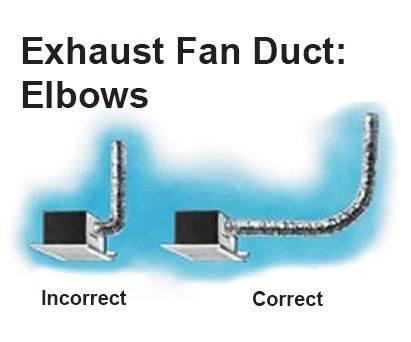
- Each 90-degree bend adds 5 feet of equivalent length
- Slope duct ¼ inch per foot downward toward exterior to prevent condensation pooling
Efficiency tip: Use smooth rigid ducts instead of flexible ducting when possible for better airflow and less resistance.
Gather Tools and Materials for the Job
Having everything ready before starting prevents mid-project delays.
Tools You Will Need
- Drill/driver
- Jigsaw or drywall saw
- Hole saw (4½ inch)
- Extended spade bit (3/8 inch)
- Tape measure
- Layout square
- Circuit tester
- Wire strippers and wire nuts
- Caulk gun
- Safety goggles
- Respirator mask
- Ladder
Materials Checklist
- Bathroom exhaust fan unit
- 4-inch metal duct (rigid or flexible)
- 90-degree duct elbow
- Wall cap or roof vent cap
- Foil duct tape or HVAC mastic
- Cable clamp
- Roofing cement (for roof venting)
- Screws, spackling compound, and paint
Install a Bathroom Exhaust Fan with Attic Access
This method works best for unfinished attics and standard ceiling installations.
Mark Location and Drill Reference Hole
Choose a spot between ceiling joists, ideally centered between the shower and toilet for optimal air capture. Drill a 3/8-inch reference hole through the ceiling into the attic. Access the attic, locate the hole, and clear insulation to expose the joists.
Tip: Avoid plumbing vents and electrical wires running through the ceiling cavity.
Cut the Ceiling Opening
Measure the fan housing intake size and transfer those measurements to the ceiling using the reference hole as your guide. Draw a rectangle with a layout square, then cut with a jigsaw. Support the drywall as you cut to prevent it from falling.
Mount the Fan Housing in the Attic
Attach a 4-inch 90-degree elbow to the fan exhaust port and seal with foil duct tape (not regular duct tape). Slide the housing into the ceiling hole and expand mounting brackets against the joists. Screw securely to prevent vibration and noise.
Warning: Ensure the fan is level and tight. A loose unit causes annoying vibrations and operational noise.
Run Ductwork to the Exterior
Route metal duct from the fan to an exterior wall. Select a spot between two studs and drill through the wall sheathing with a 5-inch hole saw. Install the wall cap and secure with screws. Connect the duct to the cap and seal all joints with foil tape or HVAC mastic.
Cold climate tip: Use HVAC mastic instead of tape—it won’t crack in freezing temperatures.
Make Safe Electrical Connections
Turn off power at the breaker and verify with a circuit tester. Remove the blower motor from the housing and save the screws. Knock out the wiring knockout on the housing and install a cable clamp. Feed house wires through and connect black to black (hot), white to white (neutral), and green or bare to the ground screw. Secure with wire nuts, tuck wires inside, and replace the cover.
Safety note: If no existing switch or power source exists, hire a licensed electrician before proceeding.
Reinstall Motor and Test the Fan
Plug the blower motor back into the housing and secure with screws. Snap on the grille, restore power, and turn on the switch.
Test for success:
- Fan runs smoothly without unusual sounds
- No loud vibrations
- Tissue held near the exterior vent cap gets pulled outward
Finish with Drywall Repair
Patch any gaps around the cutout with spackling compound. Sand smooth, repaint to match the ceiling, and clean the grille. Your installation is complete.
Install an Exhaust Fan Without Attic Access
No attic? No problem. Install from below in finished ceilings or cathedral-style designs.
Prepare the Ceiling Opening
Remove the old fan or test fit the new housing. If the opening is too small, enlarge it with a jigsaw. If too large, install a wood support block between joists and patch the drywall.
Attach Duct Connector from Below
Connect the duct adapter to the fan exhaust port and seal with HVAC tape. Anchor the connector to the ceiling hole with a screw for stability.
Route Duct Through Wall or Roof
Drill through the exterior wall between studs. Install the wall cap and connect the duct. For roof venting, cut through shingles with a hole saw, install the roof cap, and seal with roofing cement.
Pro tip: Use rigid duct for roof runs—it’s sturdier and easier to support than flexible duct.
Handle Wiring in Confined Space
Remove the wiring cover and knockout plug. Install a cable clamp and feed wires through. Connect by color (black-black, white-white, ground-ground), tuck wires inside, and reattach the cover.
Mount Fan and Finalize
Insert the fan into the housing and secure with screws. Install the grille, test operation, and patch drywall as needed.
Replace an Existing Exhaust Fan
Upgrading an old or noisy fan? Reuse existing ducts and wiring to save significant time.
Remove the Old Fan
Turn off power at the breaker. Remove the grille and unscrew the blower motor. Unplug the motor from the housing. Detach the old housing if replacing it entirely.
Install the New Fan
Place the new housing between joists and expand mounting brackets. Screw brackets securely. Reconnect the existing duct to the exhaust port. Feed wires through the cable clamp and connect by color. Plug in the new motor, secure it, and snap on the grille.
Time-saver: Full replacement takes 1–2 hours with existing infrastructure.
Vent Through the Roof When Needed
Sidewall venting isn’t always possible. Roof venting works but requires careful installation.
Cut the Roof Opening
Drill a pilot hole from the attic and mark the location outside. Use a 5-inch hole saw to cut through shingles and sheathing. Slide the roof vent cap under the shingles, nail in place, and seal edges with roofing cement.
Connect and Insulate the Duct
Attach the duct to the cap with HVAC tape. Insulate the duct in the attic to prevent condensation buildup. Ensure the backdraft damper opens and closes freely.
Caution: Roof flashing must be watertight. If unsure about proper installation, hire a professional roofer.
Avoid Common Installation Mistakes
Small errors reduce performance or create safety hazards. Steer clear of these common pitfalls.
Never Vent Into the Attic
Moist air in the attic causes mold, rot, and insulation collapse—a costly mistake that violates building codes.
Do Not Use Plastic or Vinyl Ducts
These materials collapse over time and are not fire-rated. Use metal ducts only for code-compliant installation.
Minimize Bends and Length
Each bend restricts airflow. Keep duct runs short and straight for maximum efficiency.
Seal All Joints Properly
Leaky joints mean moist air escapes into walls or ceilings. Use foil tape or mastic—never standard duct tape.
Always Include a Backdraft Damper
Without one, cold air flows back into your bathroom when the fan is off. Always use a self-closing damper.
Maintain Your Fan for Long-Term Performance
A well-maintained fan lasts 10–15 years. Regular upkeep keeps it running efficiently.
Clean the Grille Monthly
Remove dust and soap scum with mild soap and water. Clogged grilles reduce airflow and force the fan to work harder.
Inspect Duct and Vent Annually
Check the exterior vent cap for birds’ nests, ice, or debris. Inspect attic ductwork (if accessible) for sagging or disconnected sections.
Know When to Replace
Signs it’s time for a new fan:
- Loud grinding or rattling sounds
- Weak airflow compared to new performance
- Fan won’t turn on
- Visible moisture damage on the ceiling around the unit
Alternatives When Ducting Is Not Possible
Sometimes running ductwork isn’t feasible. Limited options exist, though they’re not ideal substitutes.
Ductless Recirculating Fans
These units filter air and blow it back into the room using charcoal filters for odor control. They do not remove moisture, so mold risk remains.
Not recommended unless paired with a dehumidifier or consistent window ventilation.
Portable Solutions
Run a dehumidifier after showers. Open windows during and after use. Use a window exhaust fan temporarily.
Best for renters or short-term fixes—not permanent solutions.
Frequently Asked Questions About Adding a Bathroom Exhaust Fan
Can you add an exhaust fan to any bathroom?
Yes—most bathrooms can be retrofitted with an exhaust fan, though complexity varies based on access and structural constraints.
Do bathroom exhaust fans need to vent outside?
Yes. Venting indoors (into attics, crawlspaces, or walls) is unsafe and violates building codes. Always vent outside the building envelope.
Can you install a bathroom exhaust fan without a duct?
Only with a recirculating fan, but it won’t reduce humidity. Proper moisture control requires a ducted system venting outside.
How much does it cost to install a bathroom exhaust fan?
DIY installation costs $120–$175 for the fan and materials. Professional installation runs $300–$600 depending on ductwork complexity, electrical needs, and roofing.
Do ductless bathroom exhaust fans work?
They reduce odors but do not remove moisture. They are not a substitute for proper ducted ventilation in moisture-prone bathrooms.
What if there is no exhaust fan in the bathroom currently?
Open windows while showering, use a portable dehumidifier, and install a fan as soon as possible to prevent mold and moisture damage.
Key Takeaways for Installing Your Bathroom Exhaust Fan
Adding a bathroom exhaust fan pays off in comfort, air quality, and home protection. Follow these essential points for a successful installation.
Size correctly: Calculate CFM using the 1.1 multiplier method (square footage × 1.1) to ensure adequate airflow.
Vent outside only: Never vent into attics, crawlspaces, or interior walls. This causes serious mold and structural damage.
Use proper materials: Install metal ducts only—avoid plastic or vinyl. Keep duct runs short and minimize bends.
Hire professionals when needed: For electrical work or complex roof venting, a licensed electrician or roofer ensures safe, code-compliant installation.
Test your work: Hold a tissue at the exterior vent cap. If it pulls inward, your fan is working correctly.
With proper planning and tools, most homeowners complete this project in one weekend. The result is a drier, healthier bathroom that stays mold-free for years to come.
Leave a Reply