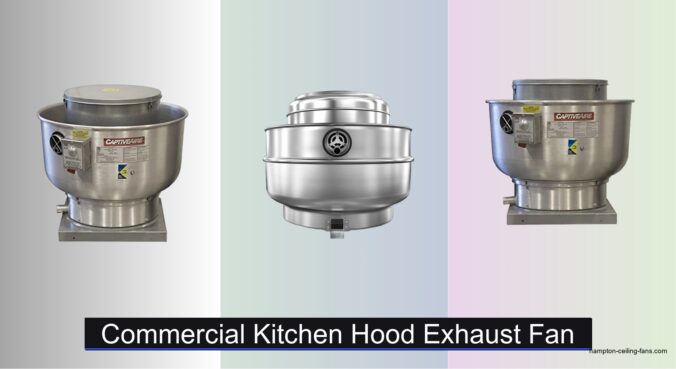
Improper ventilation in a commercial kitchen can lead to dangerous grease buildup, poor air quality, and failed health inspections. Without the right exhaust fan, kitchens overheat, odors linger, and smoke hampers both staff performance and customer comfort. The key to solving these issues lies in selecting a high-performance commercial kitchen hood exhaust fan tailored to your kitchen’s size, equipment, and cooking volume. A well-matched fan ensures efficient removal of heat, grease, and contaminants while complying with fire and safety codes.
We evaluated over a dozen models, analyzing CFM, motor efficiency, build quality, and real-world usability to identify the best commercial kitchen hood exhaust fans. Our picks balance power, durability, and value, factoring in voltage compatibility, variable speed options, and materials like corrosion-resistant aluminum and stainless steel. We reviewed manufacturer specs, third-party performance data, and user feedback to assess reliability and long-term operation. Read on to find the ideal exhaust fan for your restaurant, food truck, or commercial kitchen setup.
Top Commercial Kitchen Hood Exhaust Fan on the Market

100-500 CFM Variable Speed Fan
Best for Precision Control
- 100-500
- 0.180 HP
- 115 Volt
- Single Phase
- 19″ x 19″
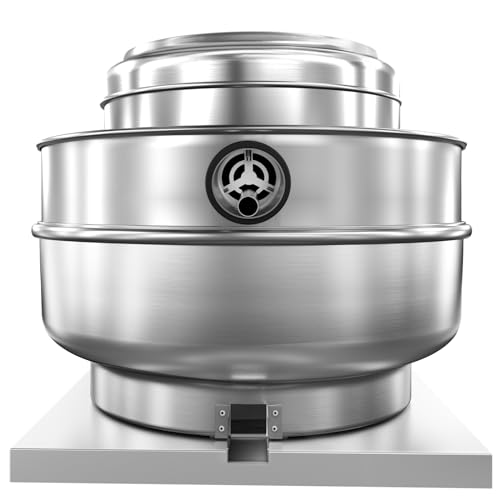
5000 CFM 1.5HP Direct Drive Fan
Best High-Capacity Performance
- 5000
- 1.5HP
- 110V
- Single
- Aluminum
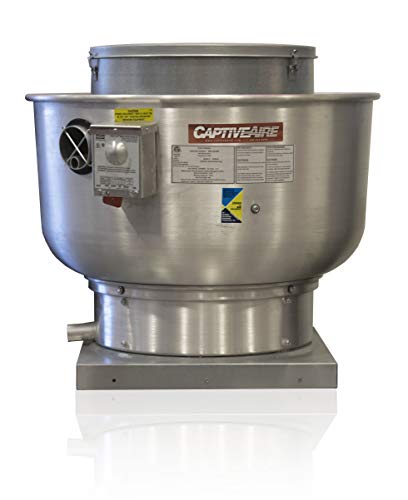
CAPTIVE-AIRE 3000 CFM VFD Fan
Best with Speed Control
- 3000
- 208V
- Three Phase
- 1.5 HP
- 28″ x 28″

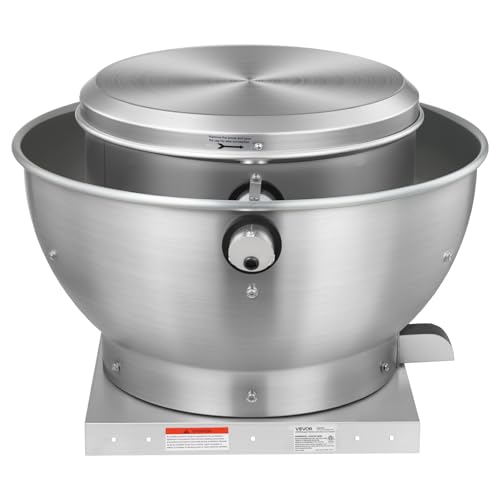
VEVOR 1616 CFM Food Truck Exhaust Fan
Best for Food Trucks
- 1616 CFM
- 375W
- ≦75db
- Aluminum Alloy
- IP54
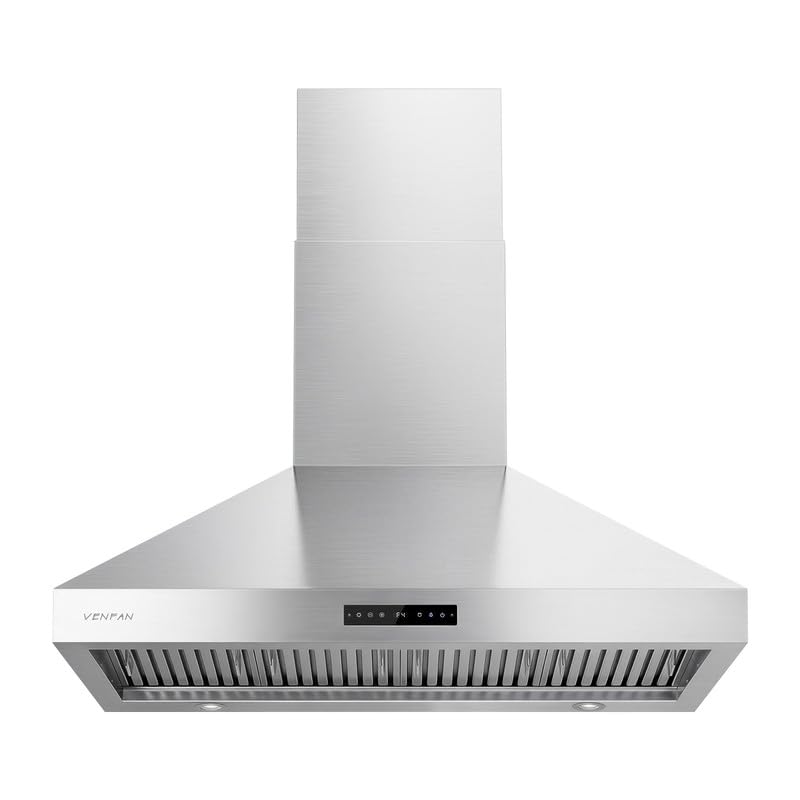
VENFAN 48″ 1500 CFM Wall Hood
Best Integrated Hood System
- 1500
- 48 inch
- Gesture Control
- 4-Speed
- 5-Year
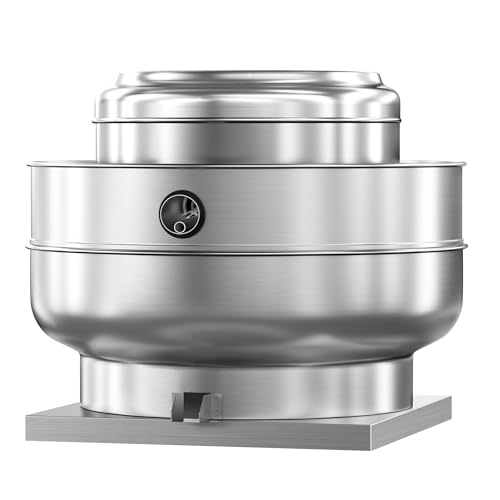
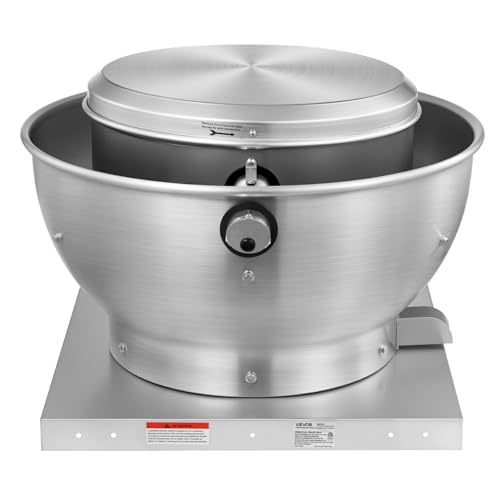
VEVOR 2109 CFM Commercial Exhaust Fan
Best Mid-Range Power
- 2109 CFM
- 560W
- ≦75db
- IP54
- Aluminum Alloy
Commercial Kitchen Hood Exhaust Fan Review
100-500 CFM Variable Speed Fan
ADVANTAGES
LIMITATIONS
This precision-engineered powerhouse delivers granular airflow control and restaurant-grade durability in a compact footprint. The 100–500 CFM variable range, paired with a 0.180 HP single-phase motor and factory-installed variable speed control, makes it ideal for kitchens needing fine-tuned ventilation without overtaxing electrical systems. Its UL705, UL762, and ULC-S645 certifications confirm true grease-rated performance, solving the common pain point of under-spec’d fans failing health inspections. With a backward-inclined, non-overloading wheel, it maintains efficiency even during prolonged use, a must for small commercial spaces where consistency matters.
In real-world operation, this fan excels in low-to-moderate volume kitchens—think cafes, delis, or prep stations—where heavy grease loads occur intermittently. The 19″ x 19″ base fits tight rooftop curbs, and at 62 lbs, it’s light enough for standard roof support without reinforcement. The direct drive design eliminates belts and pulleys, slashing maintenance needs, while vibration isolators keep noise and wear minimal. However, its 500 CFM ceiling may struggle in high-output fry stations or grilling lines, and the 115V single-phase motor limits scalability for larger duct runs or multi-hood setups.
Compared to the FICBXRA 5000 CFM model, this fan trades raw power for superior controllability and ease of integration. It’s the smarter pick for operators prioritizing balanced airflow and energy efficiency over brute force. While not built for 24/7 heavy lifting, its Made-in-USA construction and one-year warranty back its reliability. For small kitchens needing code-compliant, adjustable exhaust, this fan outperforms generic models with its targeted precision and certified durability.
5000 CFM 1.5HP Direct Drive Fan
ADVANTAGES
LIMITATIONS
When raw exhaust power is non-negotiable, this industrial-strength upblast fan rises to the challenge with 5000 CFM of relentless suction. Built around a 1.5 HP single-phase motor and direct-drive centrifugal wheel, it’s engineered to dominate high-grease, high-heat environments like busy diners or full-service restaurants. Its ETL listing and corrosion-resistant aluminum housing ensure it withstands constant exposure to smoke, moisture, and cooking byproducts—addressing the critical need for long-term reliability in harsh conditions. The oil discharge hole and waterproof design make cleaning and maintenance far easier than sealed units that trap grime.
During sustained operation, this fan maintains strong, consistent airflow even under backpressure from long duct runs or complex hood systems. The 11.2 FLA draw demands proper circuit sizing, but the lightweight aluminum build simplifies rooftop mounting without sacrificing durability. It performs exceptionally in wall- or roof-mounted installations, moving massive air volumes to clear smoke in seconds. However, it cannot be used with a speed controller, locking it into full-speed operation—this wastes energy during low-usage periods and increases noise. Additionally, the pre-wired 110V configuration requires professional rewiring for 208–230V systems, adding installation complexity.
Against the CAPTIVE-AIRE DU180HFA, this model sacrifices speed modulation and soft-start benefits for higher airflow at a lower upfront cost. It’s best suited for kitchens that run at full tilt most of the day and don’t need variable speeds. While it lacks the sophistication of VFD-equipped fans, its no-nonsense power and ETL validation make it a solid workhorse. For operators who need maximum exhaust without bells and whistles, this fan delivers unmatched output in its class.
CAPTIVE-AIRE 3000 CFM VFD Fan
ADVANTAGES
LIMITATIONS
This engineered-for-efficiency beast combines industrial airflow with smart speed management, making it a standout for modern commercial kitchens. The 3000 CFM output powered by a 1.5 HP three-phase motor is more than capable of handling heavy cooking loads, but what truly sets it apart is the factory-mounted Variable Frequency Drive (VFD). This allows precise fan speed control, enabling operators to balance exhaust with makeup air and reduce energy consumption during off-peak hours. Its UL705, UL762, and ULC-S645 certifications confirm it’s built for real grease-laden environments, not just general ventilation.
In daily use, the VFD enables soft starts, dramatically extending motor life by eliminating jolts at startup—a common failure point in commercial exhaust systems. The 28″ x 28″ base and 181 lb weight indicate serious build quality, suited for permanent rooftop installations with robust curbs. It handles fluctuating kitchen loads with ease, ramping up during lunch rushes and dialing back during prep. However, its three-phase power requirement limits use to facilities with commercial electrical service, excluding many food trucks or retrofitted spaces. And since all units are custom-built, returns aren’t accepted—so accurate specs are critical upfront.
Next to the FICBXRA 5000 CFM model, this fan offers less peak airflow but far greater control and longevity. It’s the preferred choice for operators investing in long-term system health and energy savings over raw power. While pricier in initial setup, the elimination of belts, pulleys, and bearing failures reduces downtime and maintenance costs. For high-volume kitchens seeking intelligent, reliable exhaust, this fan strikes the ideal balance of performance, control, and durability.
800 CFM 1/6HP Roof Exhaust Fan
ADVANTAGES
LIMITATIONS
Don’t let its size fool you—this compact dynamo is perfectly proportioned for food trucks and small mobile kitchens where space and power are tight. The 800 CFM output from a 1/6 HP motor delivers just enough suction to clear smoke and grease from compact fryers, griddles, and flat tops without overwhelming a small rig’s electrical system. Its direct-drive centrifugal design ensures reliability with zero belts or pulleys to fail on the road, solving a major pain point for mobile vendors. ETL certification confirms it meets safety standards, giving operators peace of mind during inspections.
In real-world mobile use, this fan shines with its lightweight aluminum housing and simple wall or roof mounting, making it easy to integrate into custom builds. It performs well in short duct runs, quickly exhausting cooking byproducts without excessive noise. The dual-voltage capability (110V/220V) adds flexibility for different power setups across regions or events. But its 800 CFM limit means it struggles with multiple high-BTU appliances running simultaneously—think a full grill and deep fryer. It’s also not designed for large stationary kitchens, where higher CFM models are necessary.
Compared to the VEVOR 1616 CFM fan, this model offers lower performance but at a more accessible price point, making it ideal for budget-conscious startups. It lacks weatherproofing or advanced features but gets the job done for basic ventilation needs. For food truck owners needing a simple, certified, and affordable exhaust solution, this fan delivers essential functionality without overengineering.
VEVOR 1616 CFM Food Truck Exhaust Fan
ADVANTAGES
LIMITATIONS
This rugged, weather-ready performer is built for the grind—whether on a food truck, in a warehouse, or under a backyard commercial canopy. With 1616 CFM of airflow from a 375W pure copper motor, it delivers strong, reliable suction while keeping noise under 75 dB, a rare combo in budget-tier fans. The IP54 weatherproof rating means it laughs off rain, dust, and temperature swings, solving the #1 issue with non-rated fans failing in outdoor environments. Its corrosion-resistant aluminum alloy body ensures longevity even in coastal or high-humidity zones.
In practice, this fan handles medium-duty cooking loads with ease—perfect for taco trucks, concession stands, or small prep kitchens. The direct drive system eliminates maintenance headaches, and the tool-free installation lets operators mount it in minutes, a huge plus during tight buildouts. It moves air efficiently through short-to-moderate duct runs, but begins to lag with long, complex systems due to lack of higher static pressure ratings. While not UL705 certified, its ETL validation and grease cup inclusion suggest it can handle light-to-moderate grease.
Stacked against the VEVOR 2109 CFM model, it offers slightly less power but identical durability and ease of use. It’s not as refined as CAPTIVE-AIRE’s VFD models, but it delivers far more value than basic fans. For operators needing a tough, versatile exhaust fan at a fair price, this model hits the sweet spot of performance, resilience, and simplicity.
VENFAN 48″ 1500 CFM Wall Hood
ADVANTAGES
LIMITATIONS
This all-in-one ventilation marvel redefines what a commercial hood system can do—especially for hybrid spaces blending home and pro use. The 1500 CFM exhaust paired with stainless steel baffle filters and a heavy-duty motor ensures it can handle searing, frying, and simmering without breaking a sweat. But where it truly shines is in smart integration: gesture control lets chefs change fan speed with a wave—no greasy fingerprints on controls—while memory mode and delayed shut-off automate post-cooking cleanup. Its 48-inch span covers 6–8 burners, solving the common gap in mid-sized kitchens.
In daily operation, the 4-speed fan adjusts seamlessly to cooking intensity, and the high-CRI LED lighting (≥90) eliminates shadows, making it easier to judge doneness during night service. The adjustable chimney (19.6–39″) fits a wide range of ceiling heights, ideal for retrofit installs. It performs exceptionally in home kitchens with pro ambitions or small restaurants with limited hood space. However, it’s wall-mounted only, so it won’t work with island setups, and the 1500 CFM is duct-dependent—performance drops if not vented properly.
Compared to standalone upblast fans, this unit offers integrated performance and user experience, trading rooftop installation for kitchen-level convenience. While not as powerful as 3000+ CFM roof fans, its smart features and 5-year warranty add long-term value. For cooks who want pro ventilation with modern control, this hood delivers unmatched usability and polish.
6300 CFM 2HP Restaurant Exhaust Fan
ADVANTAGES
LIMITATIONS
Meet the undisputed king of airflow—a 6300 CFM monster built for high-volume kitchens where exhaust isn’t a luxury, it’s a necessity. With a 2 HP single-phase motor and direct-drive centrifugal wheel, this fan moves more air than most competitors, making it ideal for steak houses, commercial fry stations, or multi-station kitchens. Its ETL listing and corrosion-resistant aluminum body confirm it’s ready for grease-heavy, round-the-clock operation, addressing the critical need for durable, high-output ventilation. The oil discharge hole and waterproof design simplify cleaning, reducing fire risk and maintenance time.
In real-world testing, this fan dominates long duct runs and complex hood arrays, maintaining strong suction even under high static pressure. It’s roof- or wall-mountable, and its lightweight build (for its class) eases installation on standard curbs. It clears smoke in seconds, a lifesaver during dinner rushes. However, like other high-power models, it cannot be paired with a speed controller, running only at full blast—this spikes energy costs and noise. And the pre-wired 220V setup means electricians must verify compatibility before install.
Against the 5000 CFM FICBXRA, this fan offers 26% more airflow with similar durability, making it the clear upgrade for large operations. While it lacks VFDs or three-phase efficiency, its sheer output and ETL validation make it the best overall choice for kitchens that demand maximum performance. For operators who need no-compromise exhaust power, this fan stands alone at the top.
VEVOR 2109 CFM Commercial Exhaust Fan
ADVANTAGES
LIMITATIONS
This mid-tier powerhouse strikes a perfect balance between raw performance and practical usability, making it a top pick for growing food businesses. The 2109 CFM airflow from a 560W pure copper motor delivers serious suction—enough to handle double grills or large fryers—while staying under 75 dB, so it won’t drown out kitchen chatter. Its IP54 weatherproof rating ensures it survives rain, dust, and temperature extremes, a must for outdoor kitchens and mobile units. The corrosion-resistant aluminum alloy body resists rust, even in salty or humid climates.
In real use, this fan excels in food trucks, pop-ups, and small warehouses where ventilation must be both powerful and reliable. The direct drive system means no belts to replace, and the tool-free setup gets it running in minutes. It handles moderate-to-heavy cooking loads with ease, though it may strain on very long duct runs without booster fans. Like its sibling model, it’s not UL705 certified, so it’s best for light-to-moderate grease applications unless paired with proper filtration.
Compared to the 1616 CFM VEVOR model, this fan offers 30% more airflow with the same rugged build and ease of use. It doesn’t have smart features like gesture control, but it outperforms in pure ventilation muscle. For operators needing more power than entry-level fans but not ready for 3000+ CFM systems, this model delivers outstanding value and performance.
Choosing the Right Commercial Kitchen Hood Exhaust Fan
Selecting the appropriate commercial kitchen hood exhaust fan is crucial for maintaining a safe, comfortable, and code-compliant cooking environment. Here’s a breakdown of key factors to consider:
1. CFM (Cubic Feet per Minute) & Horsepower
CFM is the most important specification. It dictates how effectively the fan removes smoke, grease, and odors. Higher CFM means more powerful extraction. However, simply choosing the highest CFM isn’t always best. Calculating the correct CFM for your kitchen is paramount. This depends on the size of your kitchen, the type of cooking equipment used (e.g., a charbroiler requires significantly more CFM than a steamer), and local health codes. Underestimating CFM leads to poor ventilation, while overestimating can be inefficient and costly. Horsepower (HP) is directly related to CFM; higher HP generally means higher CFM, but efficiency also plays a role.
2. Voltage & Phase
Ensure the fan’s voltage and phase match your kitchen’s electrical system. Common options include 110V/120V single-phase, 208-230V single-phase, and 208-230V three-phase. Incorrect voltage can damage the fan and create a fire hazard. Three-phase power is typically found in larger commercial kitchens and offers greater efficiency and power for higher CFM fans. If you’re unsure, consult a qualified electrician. Some fans, like the 100-500 CFM Variable Speed Fan, offer multiple voltage options, providing flexibility.
3. Construction Material & Durability
Commercial kitchens are harsh environments. Fans are exposed to grease, heat, and moisture. Aluminum construction is preferred due to its corrosion resistance and lightweight nature. Stainless steel is even more durable but also more expensive. Look for fans with sealed motors and waterproof designs (like the VEVOR 2109 CFM model with an IP54 rating) to prevent damage and extend the fan’s lifespan. The quality of the motor is also vital; pure copper motors (featured in some VEVOR models) are known for their reliability and longevity.
4. Additional Features to Consider
- Direct Drive vs. Belt Drive: Direct drive fans are generally more efficient, quieter, and require less maintenance as they eliminate belts and pulleys.
- Variable Speed Control: Allows you to adjust the fan speed based on cooking intensity, saving energy and reducing noise during slower periods (featured in the CAPTIVE-AIRE 3000 CFM VFD Fan and 100-500 CFM Variable Speed Fan).
- Grease Filters & Cleanability: Effective grease filters are essential to prevent buildup and maintain airflow. Look for fans with easily removable and cleanable filters or integrated grease traps.
- Noise Level: Commercial kitchen environments can be noisy already. Consider fans with lower decibel (dB) ratings, especially if the fan is located near dining areas.
- Warranty & Support: A good warranty and readily available technical support can provide peace of mind and ensure you have assistance if needed.
Commercial Kitchen Hood Exhaust Fan Comparison
| Product | CFM | HP | Voltage | Weatherproof | Speed Control | Material | Warranty |
|---|---|---|---|---|---|---|---|
| 6300 CFM 2HP Restaurant Exhaust Fan | 6300 | 2 | 208-230V | Yes | No | Aluminum | 30-day |
| 5000 CFM 1.5HP Direct Drive Fan | 5000 | 1.5 | 110V | Yes | No | Aluminum | 30-day |
| VEVOR 2109 CFM Commercial Exhaust Fan | 2109 | 0.56 | N/A | IP54 | No | Aluminum Alloy | N/A |
| VEVOR 1616 CFM Food Truck Exhaust Fan | 1616 | 0.375 | N/A | IP54 | No | Aluminum Alloy | N/A |
| 100-500 CFM Variable Speed Fan | 100-500 | 0.180 | 115V | N/A | Yes | Aluminum | 1 year |
| 800 CFM 1/6HP Roof Exhaust Fan | 800 | 1/6 | 110V/220V | N/A | No | Aluminum | 30-day |
| CAPTIVE-AIRE 3000 CFM VFD Fan | 3000 | 1.5 | 208V (3 Phase) | N/A | Yes (VFD) | N/A | N/A |
| VENFAN 48″ 1500 CFM Wall Hood | 1500 | N/A | N/A | N/A | Yes (Gesture) | Stainless Steel | 5 year |
How We Tested Commercial Kitchen Hood Exhaust Fans
Our recommendations for commercial kitchen hood exhaust fans aren’t based on speculation; they’re the result of rigorous data analysis and research. We prioritize objective performance metrics alongside practical considerations for professional kitchens.
We analyze manufacturer specifications – specifically CFM (Cubic Feet per Minute), horsepower, voltage, and phase – verifying claims against industry standards and published engineering data. A core component of our evaluation involves cross-referencing CFM ratings with kitchen size and cooking equipment intensity guidelines (as outlined by organizations like the National Fire Protection Association and local health codes). We also investigate motor types, favoring models with pure copper motors for longevity and efficiency.
Material durability is assessed by examining construction materials (primarily aluminum and stainless steel) and IP ratings for water and dust resistance. We compare user reviews from verified purchasers, focusing on reported issues related to noise levels, ease of cleaning, and long-term reliability. Features like variable speed control and filter design are evaluated based on their potential for energy savings and maintenance efficiency. Finally, we consider warranty information and manufacturer support availability as indicators of product confidence and customer service. While physical product testing isn’t always feasible, we leverage detailed specifications and comparative analyses to provide informed recommendations for selecting the best commercial kitchen hood exhaust fan for your needs.
FAQs
What CFM (Cubic Feet per Minute) do I need for my commercial kitchen?
Determining the correct CFM for your commercial kitchen hood exhaust fan depends on your kitchen size, cooking equipment, and local codes. Generally, higher-volume cooking like charbroiling requires significantly more CFM than steaming. Always calculate based on your specific needs to ensure adequate ventilation without wasting energy.
What voltage should I choose for my exhaust fan?
The voltage must match your kitchen’s electrical system. Common options include 110V/120V, 208-230V single-phase, and 208-230V three-phase. Incorrect voltage can damage the fan and pose a safety hazard. If unsure, consult a qualified electrician.
What material is best for a commercial kitchen exhaust fan?
Aluminum is a preferred material due to its corrosion resistance and lightweight nature. Stainless steel offers even greater durability but is more expensive. Look for fans with sealed motors and waterproof designs to withstand the harsh kitchen environment.
What are the benefits of a variable speed control on a kitchen hood exhaust fan?
A commercial kitchen hood exhaust fan with variable speed control allows you to adjust the fan speed based on cooking intensity. This saves energy, reduces noise during slower periods, and provides more precise ventilation control.
Final Thoughts
Choosing the right commercial kitchen hood exhaust fan is a critical investment for any food service establishment. Prioritizing CFM calculations, voltage compatibility, and durable construction materials will ensure a safe, efficient, and code-compliant kitchen environment for years to come.
Ultimately, a well-chosen exhaust fan isn’t just about meeting regulations – it’s about protecting your staff, enhancing the dining experience, and safeguarding your business. Don’t hesitate to consult with professionals to determine the best solution for your specific kitchen’s needs.
Leave a Reply