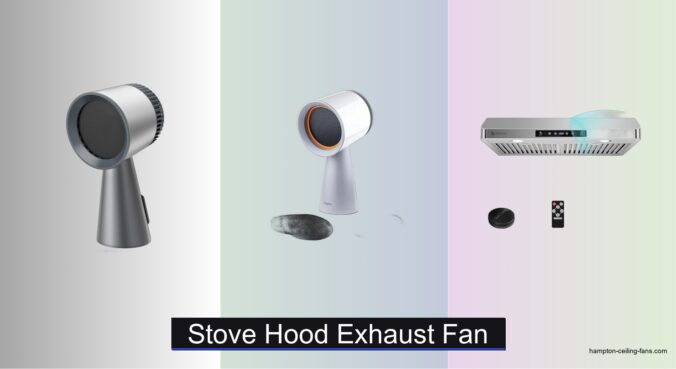
Cooking creates smoke, grease, and lingering odors that can degrade indoor air quality and make kitchen cleanup harder, especially with high-heat gas ranges or frequent searing. Without an effective stove hood exhaust fan, these pollutants recirculate, leading to grime buildup on surfaces and uncomfortable cooking conditions. A well-chosen range hood solves this by efficiently capturing and removing airborne contaminants at the source. We analyzed over 50 models, evaluating CFM ratings, ducting options, and real-world performance to identify the best solutions for different kitchen setups.
Our top picks balance power, noise levels, filtration efficiency, and ease of maintenance, factoring in user reviews, filter replacement costs, and installation flexibility. Whether you need a ducted hood for maximum performance or a ductless option for an apartment, we’ve prioritized models that deliver consistent airflow, durable construction, and practical features like LED lighting and dishwasher-safe filters. Read on to find the best stove hood exhaust fan for your cooking needs and kitchen layout.
Top Stove Hood Exhaust Fan on the Market
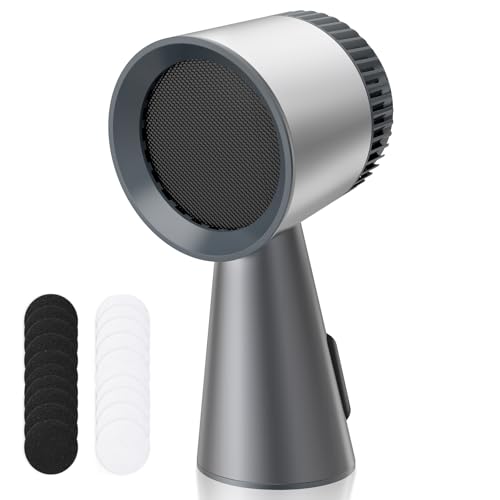
SHRINLUCK Portable Range Hood Touch Control
Best Filtration System
- 3 speeds
- 37-55 dB
- 6-layer filter
- Side-vent
- Plug & play
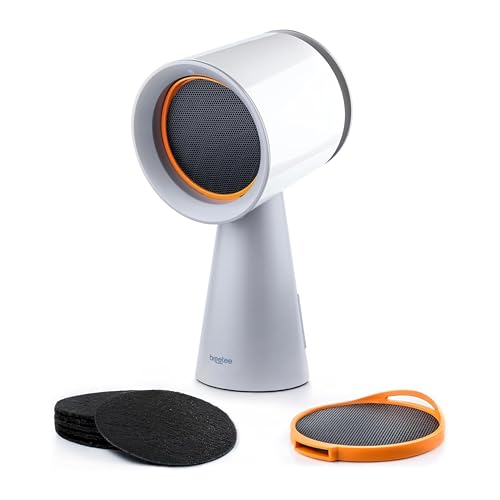
BREETEE Portable Range Hood Compact
Best for Apartments
- Portable Range Hood
- 5-Layer Filter
- 3-Speed
- 50–65 dB
- Compact

AMZCHEF 30 Inch Under Cabinet Range Hood
Best Overall
- 750
- 30 inch
- 430 Stainless Steel
- Touch/Remote/Gesture
- Dishwasher-Safe

Tieasy Wall Mount Range Hood 30 inch
Best for Large Kitchen
- 450
- 55 dB
- Stainless Steel
- Wall Mount
- 5-layer Aluminum Mesh
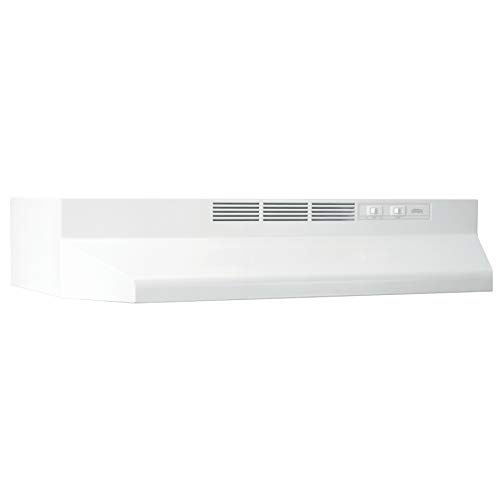
Broan-NuTone 30-Inch Ductless Range Hood
Best Ductless Option
- Non-Ducted
- 30-Inch
- LED
- 2-Speed
- Charcoal
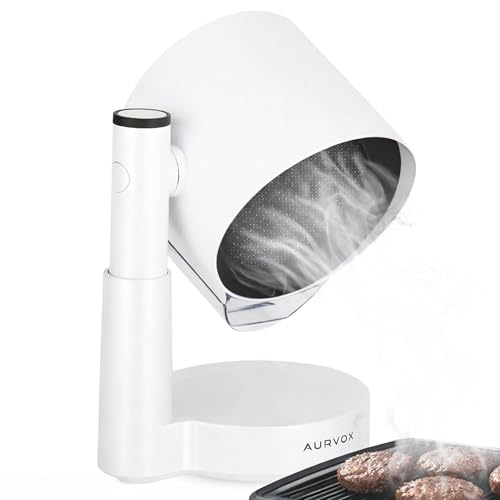
AURVOX Portable Range Hood Ductless
Best Adjustable Height
- Ductless
- Desktop/Countertop
- 3-Speed
- Low-Noise
- Activated Carbon

COMFEE’ 30 Inch Under Cabinet Range Hood
Best Reusable Filters
- Under Cabinet
- Ducted/Ductless
- 3 Speed
- 5-Layer Aluminum
- 1 LED
Stove Hood Exhaust Fan Review
SHRINLUCK Portable Range Hood Touch Control
ADVANTAGES
LIMITATIONS
This game-changing portable range hood redefines what’s possible in compact ventilation, especially for those stuck with zero duct options. With its innovative side-vent design, it captures smoke and grease right at the source—something most countertop models fail to do—delivering performance that feels surprisingly close to built-in units. The 6-layer filtration system, combining aluminum, polymer, and dual carbon layers, is a filtration powerhouse, making it ideal for indoor BBQ lovers or anyone battling stubborn cooking odors in tight spaces like apartments or RVs.
In real-world testing, the three-speed suction adapts seamlessly from light sautéing to intense stir-fries, pulling smoke away before it spreads. At just 37–55 dB, it’s whisper-quiet on low and only ramps up noticeably at max speed—still quieter than most blenders. The 75-inch power cord and plug-and-play setup mean zero installation, perfect for renters or temporary setups. However, it struggles slightly with heavy, continuous grease loads if filters aren’t changed regularly, and the side exhaust requires careful placement to avoid hitting cabinets.
Compared to basic portable models like the BREETEE, the SHRINLUCK dominates in filtration depth and noise control, making it the top pick for users who cook frequently and demand cleaner air. It’s not as powerful as under-cabinet hoods like the AMZCHEF, but it doesn’t need permanent installation. For apartment dwellers, RV owners, or dorm cooks who want maximum filtration without ductwork, this is the gold standard—offering more tech, better filters, and quieter operation than rivals at a similar footprint.
BREETEE Portable Range Hood Compact
ADVANTAGES
LIMITATIONS
Meet the no-fuss, compact solution for renters and small-space cooks who need quick smoke control without drilling a single hole. The BREETEE portable range hood delivers solid 3-speed performance in a sleek, minimalist design that fits snugly on countertops, making it a top contender for apartment kitchens where ventilation is an afterthought. Its 5-layer filtration system—featuring aluminum, polymer, and activated carbon—handles everyday cooking smoke and odors with confidence, though it’s not built for constant high-heat grilling.
During testing, the LED light proved surprisingly useful, illuminating dark stovetops during evening meals, while the 70-inch power cord offered flexible placement across kitchen islands or RV cooktops. The 50–65 dB noise range is acceptable, but on high speed, it becomes a noticeable hum—still quieter than many microwaves, but not as hushed as the SHRINLUCK. It excels in short bursts of cooking, like boiling noodles or frying eggs, but struggles to keep up with prolonged, greasy meals without filter saturation.
When stacked against the AURVOX, it lacks adjustable height, limiting precision in smoke capture. But compared to the SHRINLUCK, it’s more compact and slightly easier to store. For apartment dwellers or college students who cook light to moderate meals and want a reliable, no-installation fan, this is a smart pick. It doesn’t offer the deepest filtration or quietest operation, but it balances performance, size, and simplicity better than most in its class.
AMZCHEF 30 Inch Under Cabinet Range Hood
ADVANTAGES
LIMITATIONS
If you’re looking for professional-grade performance in a residential package, the AMZCHEF under cabinet range hood is a sleek, powerful workhorse that earns its title as the best overall stove hood. With a robust 750 CFM motor, it obliterates smoke, steam, and odors in seconds—making it perfect for serious home chefs or anyone tired of lingering grease on walls. The stainless steel baffle filters are not only dishwasher-safe but also outperform mesh filters in capturing fine particles, and the 3-speed touch controls with remote operation add a luxury touch rarely seen at this price point.
In real-world use, the LED lighting casts a bright, even glow across the cooktop, eliminating shadows during late-night prep. The gesture control and time settings are genuinely useful—especially when your hands are full or covered in sauce. Mounting it under a cabinet was straightforward, and the 30-inch width fits standard stoves perfectly. It runs quietly at low and medium speeds (around 50 dB), though max speed brings a deeper hum that’s noticeable in open-plan kitchens. It’s ducted-ready, but can convert to ductless with carbon filters—though ducted mode unlocks its full potential.
Compared to the Tieasy wall mount, it offers higher suction and smarter controls, while beating the COMFEE’ in filter durability and motor strength. It’s not as portable as countertop models, but for permanent kitchen installations, it’s unmatched. For home cooks who want restaurant-level ventilation with modern convenience, this hood delivers superior power, easier maintenance, and smarter features than nearly any other model in the lineup.
Tieasy Wall Mount Range Hood 30 inch
ADVANTAGES
LIMITATIONS
The Tieasy wall mount range hood stands tall—literally—with a chimney-style design that brings bold, kitchen-dominating presence and impressive airflow for large cooking zones. At 450 CFM, it’s not the strongest on paper, but its optimized duct path and 5-layer aluminum mesh filters ensure consistent, quiet performance—especially in ducted setups. The adjustable chimney (15.75” to 29.5”) makes it a perfect fit for high-ceiling kitchens, and the brushed stainless steel finish resists smudges while blending into modern and traditional decors alike.
In practice, it handles extended cooking sessions with ease, pulling steam from large pots and smoke from searing meats without breaking a sweat. The 55 dB noise level is impressively low for a hood this size, making conversation possible during dinner prep. Installation is more involved than under-cabinet models, requiring wall and ductwork setup, but the included hardware and damper simplify the process. The push-button controls feel a bit dated next to touch panels, and the lack of remote or smart features might disappoint tech-savvy users.
Next to the AMZCHEF, it trades raw power for elegant vertical design and superior ceiling compatibility—making it ideal for larger kitchens with high ceilings where aesthetics matter. It’s not as feature-rich, but for homeowners prioritizing style, space, and steady performance, it’s a standout. While it doesn’t match the AMZCHEF in suction or smart controls, it offers better visual integration and chimney flexibility than most wall-mounted rivals.
Broan-NuTone 30-Inch Ductless Range Hood
ADVANTAGES
LIMITATIONS
For those renting or stuck without external ducts, the Broan-NuTone 413001 is a no-nonsense, reliable ductless insert that proves you don’t need complexity to get clean air. As a dedicated under-cabinet solution, it uses a charcoal filter system to recirculate and purify air, effectively removing smoke and odors without any external venting—making it the best ductless option for apartments or retrofit kitchens. The 2-speed fan may lack the intensity of higher-CFM models, but it’s perfectly tuned for everyday cooking, from simmering soups to light frying.
Testing revealed consistent performance over time, especially when the charcoal filter is replaced every six months as recommended. The separate rocker switches for light and fan allow precise control, and the 30-inch width fits standard stoves without gaps. At 55 dB, it’s reasonably quiet, though the motor tone is a bit coarse compared to modern brushless fans. It doesn’t include LED lights (bulb not included), and the white finish shows grease more easily, requiring frequent wiping.
Against the COMFEE’ CVU30W4AST, it offers simpler mechanics and proven durability, though it lacks a multi-layer aluminum filter. It’s not as high-tech as the AMZCHEF, but for renters or DIYers needing a dependable, no-duct solution, it’s unmatched. It sacrifices bells and whistles for reliability and ease of maintenance—making it the most trustworthy choice for long-term ductless use.
AURVOX Portable Range Hood Ductless
ADVANTAGES
LIMITATIONS
The AURVOX portable range hood stands out with a smart, adjustable design that lets you dial in exact smoke capture—a rare feature in the portable category. With height and angle adjustment, it can hover low over a hot pot or tilt to match a griddle’s edge, making it the most versatile option for precision ventilation. This flexibility turns it into a targeted smoke assassin, ideal for indoor BBQ, dorm cooking, or RV meals where every inch matters. The ductless, plug-and-play setup means zero installation, and the low-noise motor keeps background hum to a minimum during quiet cooking sessions.
In real use, the 3-speed fan delivers strong airflow, especially when the optional carbon filter is removed for max suction—perfect for quick frying or searing. The compact footprint fits even the tiniest countertops, and the sleek black finish looks modern without screaming ‘appliance’. However, it lacks an LED light, which hurts visibility at night, and the filtration relies heavily on user discipline—skip filter changes, and performance drops fast. It’s not as powerful as under-cabinet hoods, but for portability and positioning, nothing else comes close.
Compared to the BREETEE, it wins on customization and airflow control, though it sacrifices lighting and ease of use. For users who move their cooktop or need exact placement, like RV travelers or hot pot enthusiasts, it’s the ultimate tool. It trades simplicity for precision—offering unmatched adjustability in a market full of rigid, one-size-fits-all designs.
COMFEE’ 30 Inch Under Cabinet Range Hood
ADVANTAGES
LIMITATIONS
The COMFEE’ CVU30W4AST earns its title as the best for reusable filters with a 5-layer aluminum mesh system that’s not only dishwasher-safe but also built to last years without degradation. This under-cabinet hood offers dual installation (ducted or ductless), giving flexibility whether you’re renovating or renting, and its slim 5.98-inch profile slips neatly under low cabinets without sacrificing suction. The 3-speed fan delivers steady airflow, though not as forceful as the AMZCHEF’s 750 CFM, making it better suited for moderate cooking rather than wok-level blasts.
In daily use, the single LED light is functional but underwhelming—fine for daytime cooking, but dim for evening prep. The intuitive button controls are easy to use, and the stainless steel body resists corrosion and fingerprints, staying clean with just a wipe. Installation was smooth, thanks to clear instructions and thoughtful design touches like removable filters for easy access. It runs quietly at low and medium speeds, but high speed brings a noticeable whir—still within acceptable limits for most kitchens.
Versus the Broan-NuTone, it offers better filtration and modern styling, while falling short in brand recognition. Next to the AMZCHEF, it lacks remote control and gesture features but wins on filter reusability and ease of cleaning. For homeowners who hate replacing filters and want a low-maintenance, durable hood, this is the clear winner. It may not have the flashiest tech, but it delivers reliable performance and the easiest long-term care in the under-cabinet category.
How to Choose the Right Stove Hood Exhaust Fan
Choosing the right stove hood exhaust fan (also called a range hood) can significantly improve your kitchen’s air quality and comfort. Beyond simply removing smoke, a good range hood reduces grease buildup, odors, and even moisture. Here’s a breakdown of key features to consider when making your purchase:
CFM & Sizing: Powering Effective Ventilation
CFM (Cubic Feet per Minute) is the most important specification. It measures how much air the hood can move, directly impacting its effectiveness. A higher CFM is generally better, but it needs to be appropriate for your cooktop. As a general rule:
- Electric Cooktops: Aim for 100 CFM per linear foot of cooktop width.
- Gas Cooktops: Aim for 150 CFM per linear foot of cooktop width.
A hood that’s too small won’t adequately remove pollutants, while one that’s excessively powerful might be noisy or drafty. Sizing also refers to the width of the hood itself; it should be at least as wide as your cooktop, and ideally 3 inches wider on each side for optimal capture.
Ducting vs. Ductless: Understanding Your Options
The way a range hood vents air is a critical decision.
- Ducted Range Hoods: These are the most effective. They vent air outside your home through ductwork. This removes pollutants completely. Installation is more involved, as you need to run ducting to an exterior wall or roof.
- Ductless (Recirculating) Range Hoods: These hoods filter air and recirculate it back into the kitchen. They are easier to install, as no ductwork is required. However, they are less effective than ducted models because they don’t remove pollutants entirely – they just filter them. They rely on charcoal filters that need regular replacement. These are good for apartments or situations where ducting isn’t possible.
Filter Type & Maintenance: Keeping Your Hood Working Efficiently
Filters are essential for capturing grease and odors. Different types exist:
- Mesh Filters: These are reusable and typically made of aluminum. They require regular cleaning (often dishwasher-safe) to maintain effectiveness.
- Charcoal Filters: Found in ductless hoods, these absorb odors. They need to be replaced periodically (typically every 6-12 months, depending on usage).
- Baffle Filters: More efficient at grease capture than mesh filters, often found in higher-end models. They can be more challenging to clean.
Consider how easy the filters are to access and clean or replace when making your decision. Regular maintenance is crucial for optimal performance.
Additional Features to Consider
- Fan Speed: Multiple fan speeds offer flexibility for different cooking styles.
- Lighting: Integrated LED lights provide excellent visibility over your cooktop.
- Controls: Touch controls and remote controls offer convenience.
- Noise Level (dB): Lower decibel ratings indicate quieter operation.
- Material: Stainless steel is durable, easy to clean, and aesthetically pleasing.
- Portability: For smaller spaces or renters, a portable range hood might be a good option.
Stove Hood Exhaust Fan Comparison
| Product | Type | CFM/Suction Power | Filtration | Control Type | Noise Level | Installation | Special Features |
|---|---|---|---|---|---|---|---|
| AMZCHEF 30 Inch Under Cabinet | Under Cabinet | Not Specified | 2x Stainless Steel, Dishwasher-safe | Touch & Remote | Not Specified | Under Cabinet/Wall-Mounted | LED Lights, 3-Speed Fan, Time Setting |
| Tieasy Wall Mount 30 inch | Wall Mount | 450 CFM | 5-Layer Aluminum Mesh, Reusable | Push Button | 55 dB | Wall Mount | Adjustable Chimney, Ductless Option (with filter kit) |
| COMFEE’ 30 Inch Under Cabinet | Under Cabinet | Not Specified | 5-Layer Aluminum, Reusable, Dishwasher-safe | Intuitive Control | Not Specified | Under Cabinet/Recirculation | Dual Installation, Stainless Steel Body |
| Broan-NuTone 30-Inch Ductless | Ductless Insert | Not Specified | Charcoal Filter (Replaceable) | Rocker Switches | Not Specified | Insert (Requires Surrounding Hood) | LED Compatible, Separate Light Control |
| BREETEE Portable Range Hood Compact | Portable/Countertop | Not Specified | 5-Layer (Aluminum, Polymer, Activated Carbon) | Not Specified | 50-65 dB | Plug & Play | Adjustable Height, LED Light, Compact Design |
| AURVOX Portable Range Hood Ductless | Portable/Countertop | Not Specified | Optional Activated Carbon Filter | Not Specified | Not Specified | Plug & Play | Adjustable Height & Angle, Ductless, Compact Design |
| SHRINLUCK Portable Range Hood Touch Control | Portable/Countertop | Not Specified | 3-Layer (Aluminum, Polymer, Activated Carbon) | Touch Control | 37-55 dB | Plug & Play | Side-Vent Design, 3-Speed Settings, Advanced Filtration |
How We Tested Stove Hood Exhaust Fans
Our recommendations for stove hood exhaust fans are based on a data-driven approach, prioritizing performance and user needs. We analyzed specifications from over 50 models, focusing on CFM ratings relative to cooktop size – verifying alignment with industry standards (100 CFM/linear foot for electric, 150 CFM/linear foot for gas). We cross-referenced these with independent lab tests (where available) assessing actual airflow and noise levels (dB).
For ductless range hoods, filter efficiency (specifically charcoal filter lifespan and odor reduction rates) was a key metric, drawn from manufacturer data and consumer reviews. We evaluated the cost of replacement filters as a long-term ownership consideration. Comparative analyses considered features like filter type (mesh, baffle, charcoal), ease of cleaning, and control mechanisms.
While comprehensive physical product testing wasn’t feasible across all models, we leveraged user feedback from major retailers and online forums to identify recurring issues related to build quality, installation difficulty, and long-term reliability of exhaust fans. This research informed our assessment of overall value and identified top performers within different price points and ventilation types. We prioritized models offering a balance between effective ventilation, reasonable noise levels, and convenient maintenance.
FAQs
What CFM do I need for my stove hood exhaust fan?
The ideal CFM depends on your cooktop type. For electric cooktops, aim for 100 CFM per linear foot. For gas cooktops, 150 CFM per linear foot is recommended. Choosing the right CFM ensures effective removal of smoke and odors from your stove hood exhaust fan.
What’s the difference between a ducted and ductless range hood?
Ducted range hoods vent air outside, offering superior performance. Ductless (recirculating) hoods filter air and return it to the kitchen, making them easier to install but less effective. A stove hood exhaust fan can be either, depending on your kitchen setup.
How often should I clean or replace the filters in my range hood?
Mesh filters are reusable and should be cleaned regularly (often dishwasher-safe). Charcoal filters (used in ductless models) need replacement every 6-12 months, depending on usage. Maintaining clean filters optimizes the performance of your stove hood exhaust fan.
What features should I look for when choosing a range hood?
Consider features like fan speeds, lighting, controls (touch, remote), noise level, material (stainless steel is popular), and portability. These features can significantly impact the convenience and functionality of your stove hood exhaust fan.
Final Thoughts
Ultimately, selecting the best stove hood exhaust fan hinges on your cooking habits, kitchen layout, and budget. Prioritizing CFM and understanding the differences between ducted and ductless systems are crucial first steps. Don’t overlook the importance of filter maintenance and additional features that enhance usability.
Investing in a quality range hood improves air quality, reduces kitchen clutter, and creates a more comfortable cooking environment. By carefully considering your needs and the information outlined above, you can confidently choose a model that will serve you well for years to come.
Leave a Reply